Singapore, Jan 31, 2026, 15:30 (SGT) — Market closed
- Singapore Airlines shares ended the day at S$6.35, slipping 0.16%
- Carrier priced S$500 million in 2.70% notes maturing in 2036; they’re slated to list on Feb 2
- Airline has formalised a joint business partnership with Malaysia Airlines
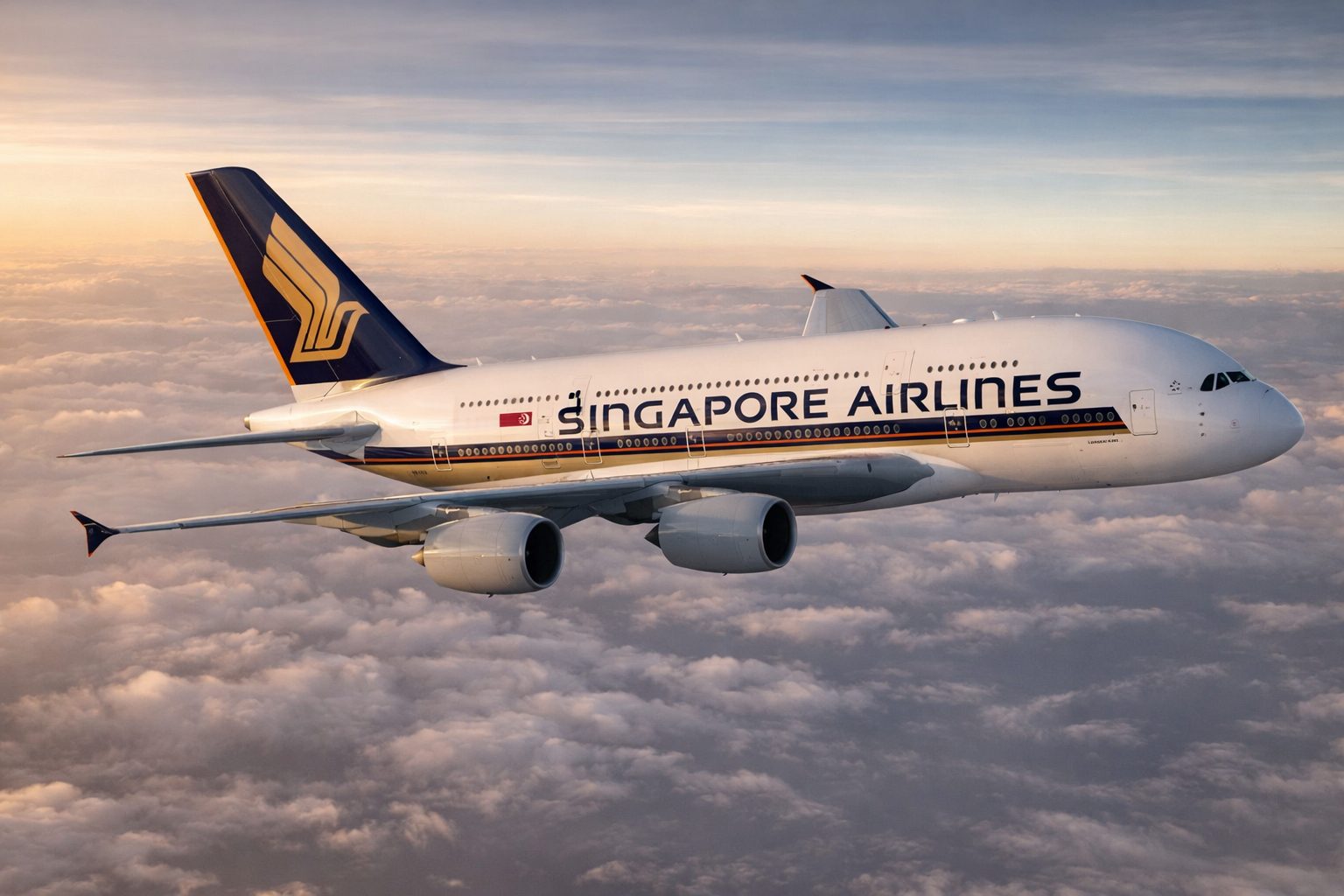
Singapore Airlines shares closed Friday at S$6.35, slipping 0.16%, after the airline issued S$500 million ($394.35 million) in fixed-rate notes due 2036. The 2.70% bonds, part of its S$10 billion medium-term note programme, will fund aircraft purchases and refinancing. These notes are set to be listed on the Singapore Exchange starting 9 a.m. Feb. 2.
The stock’s shift was modest, yet its timing is key. Investors are closely tracking how airlines manage funding for capacity and fleet expansion while keeping interest expenses in check, especially as ticket prices face increased scrutiny.
There’s a second angle too: growth. Singapore Airlines plans a closer commercial partnership with Malaysia Airlines, and traders will watch closely to see how the “joint business” plays out on each route.
The broader market mood turned cautious ahead of the weekend. The Straits Times Index dropped 0.5% on Friday, dragged down by weakness in U.S. shares overnight.
On Thursday, the airline and Malaysia Airlines announced a formal strategic joint business partnership, following approvals from the Civil Aviation Authority of Malaysia and Singapore’s Competition and Consumer Commission. They highlighted plans for revenue-sharing flights—where ticket sales on certain routes are split between carriers—along with joint fares and coordinated schedules. Goh Choon Phong described it as a “win-win collaboration,” while Izham bin Ismail of Malaysia Aviation Group said it would boost “scale, relevance, and network resilience.” Singapore Airlines
Markets are focusing on the details, not the slogans. Investors want to know which city pairs are coordinated, if schedules change, and how quickly the partners advance from codeshares to revenue sharing.
Debt remains a key variable. Issuing a new bond boosts funding options but comes with extra interest costs — easy to handle if planes stay full, tougher if demand drops or expenses rise.
Airlines rarely enjoy quiet weeks. Fuel costs can spike suddenly, and when carriers flood the market with extra seats simultaneously, yields take a hit.
Feb. 2 is the next key date, as the new notes are scheduled to list in Singapore. Afterward, traders will focus on the initial rollout of the Malaysia Airlines partnership and gauge if the market sees this week’s activity as controlled expansion or just a lot of shifting pieces.