
Shanghai, Feb 1, 2026, 07:53 GMT+8 — Market closed
- Sungrow Power Supply Class A shares ended Friday up 3.2%
- Company confirmed PV inverters won’t be affected by the export tax rebate changes; said storage cost impact remains “controllable”
- Attention turns to policy specifics as April 1 and the company’s upcoming earnings report approach
Sungrow Power Supply Co., Ltd. Class A shares rose 3.2% to 151 yuan on Friday, following the company’s response to investor concerns about upcoming changes to China’s export tax rebate system for solar and batteries. Shenzhen markets were closed Sunday.
Why it matters now: Beijing is cutting back on value-added tax (VAT) export rebates that have helped keep prices competitive in parts of China’s clean-energy supply chain. These VAT export rebates refund the tax paid on goods sold abroad, giving exporters extra margin or leeway to offer discounts.
Sungrow informed investors that photovoltaic inverters were left out of the recent export rebate adjustment list, suggesting that this part of its business should remain unaffected. The company added that its energy storage segment operates as a system integration business, which involves buying battery cells. It plans to transfer the increased costs where possible, describing the overall impact as “controllable.” Finet
On Friday, the company told investors it anticipates global energy storage installations will continue rising through 2026, with its shipment growth matching or outpacing the overall market. It’s also ramping up microgrid projects that blend local generation and storage to power smaller, semi-independent networks.
China’s government will scrap VAT export rebates for photovoltaic and related products starting April 1. For battery products, the VAT export rebate rate will drop to 6% from 9% through the end of 2026, then be eliminated entirely from January 1, 2027.
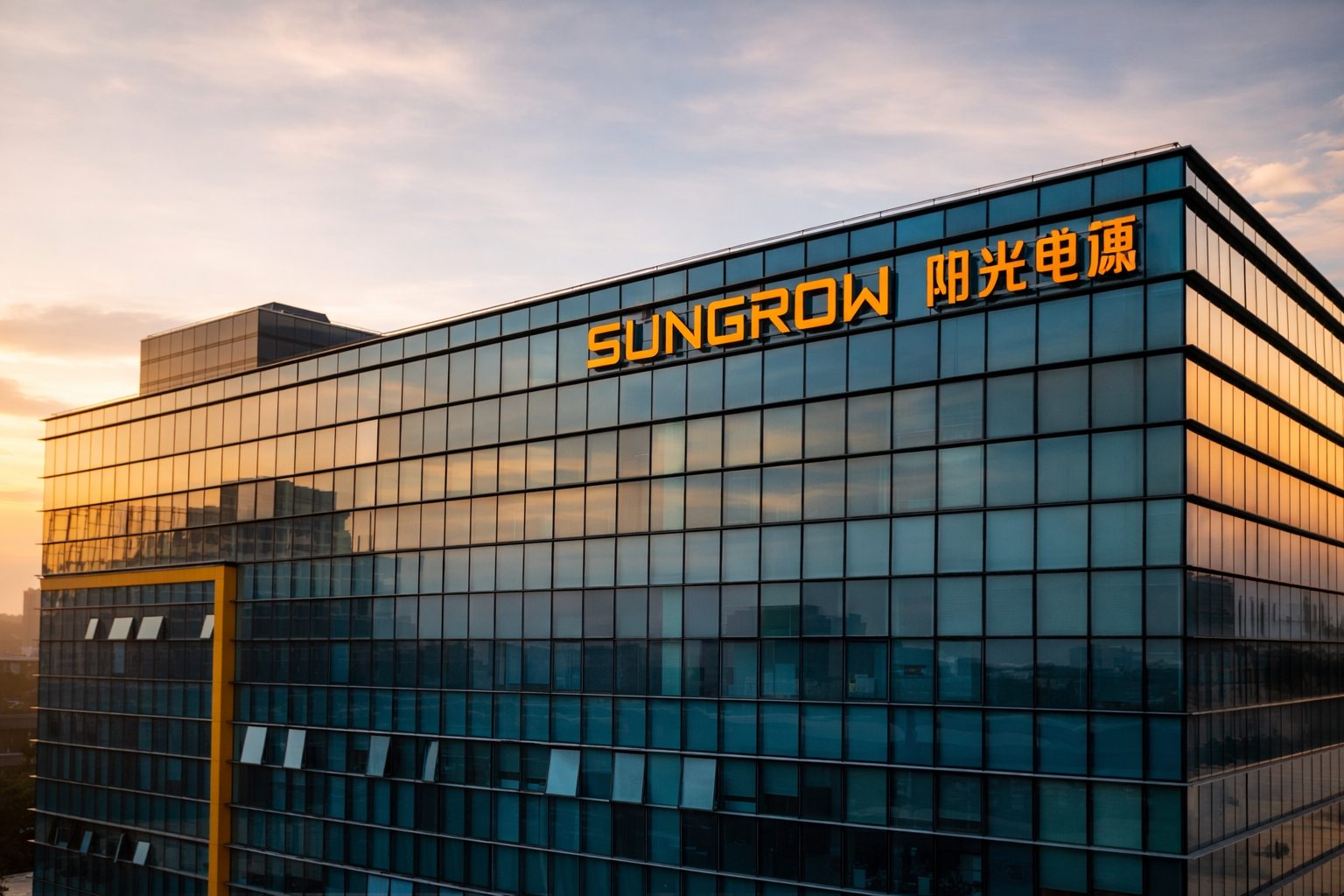
Sungrow, headquartered in Hefei, stands out as one of China’s leading producers of solar inverters and energy storage solutions, going head-to-head with rivals like GoodWe Technologies in this sector. The ongoing policy discussions come as Chinese clean-energy exporters grapple with tighter pricing and uneven demand overseas.
Looking ahead to the week, traders will focus on updates to product lists and the speed at which suppliers adjust export contract prices before the April 1 deadline. Comments from major exporters about passing costs to customers could trigger sharp moves once Shenzhen markets resume trading.
Risks remain. Should battery cell costs climb quicker than Sungrow can transfer them, or if overseas buyers push back on price hikes, storage project margins might shrink. A new wave of trade tensions or updated import regulations abroad would only complicate matters further.
Trade policy hit the spotlight again as a WTO panel sided with China over certain U.S. clean energy tax credits, underscoring how contentious market access for clean-tech parts remains.
Investors are now eyeing April 1, when export rebate changes come into force, while also focusing on Sungrow’s upcoming earnings. MarketScreener lists the Q4 2025 earnings release for late April.