Singapore, Feb 2, 2026, 15:48 (SGT) — Regular session
- Singapore Airlines shares slipped roughly 0.2% to S$6.34 during afternoon trading
- Singapore launches a voluntary trial for purchasing sustainable aviation fuel, paving the way for a levy set to begin in October 2026
- Investors are now turning to the tender details and the carrier’s quarterly business update due on Feb 24
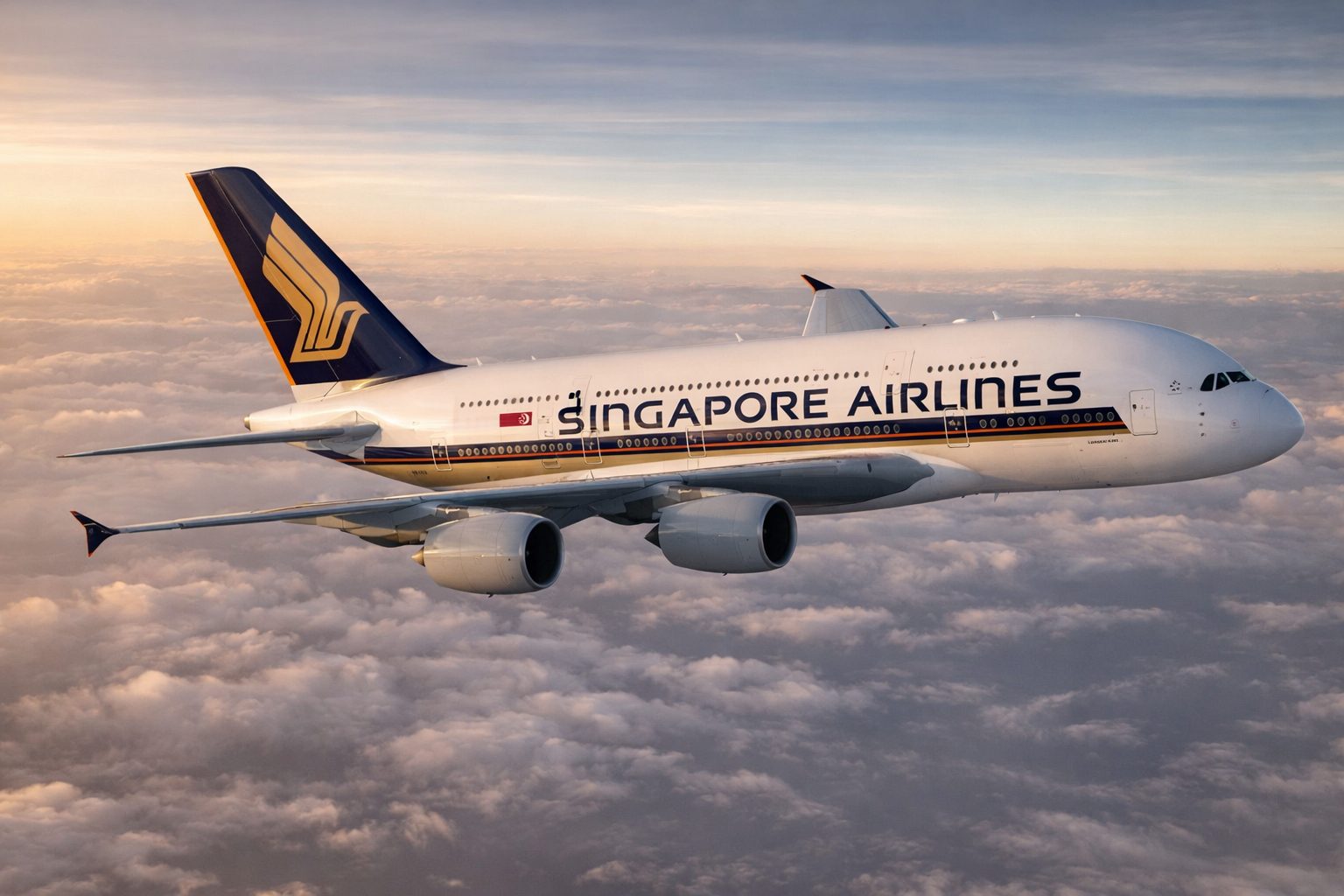
Shares of Singapore Airlines Ltd slipped on Monday afternoon after Singapore kicked off a pilot program to pool sustainable aviation fuel purchases. The initiative includes the carrier, its budget subsidiary Scoot, and companies like Google and Temasek. By 3:24 p.m., the stock had dropped 0.16% to S$6.34, with about 2.7 million shares changing hands.
The fuel trial is crucial as it tests Singapore’s central buying system ahead of a sustainable aviation fuel levy set for outbound passenger and cargo flights starting October 2026. The levy will differ by distance and class, ranging from S$1 to S$10.40 for economy passengers, and S$4 to S$41.60 for business and first class, The Business Times reported. Han Kok Juan, director-general of the Civil Aviation Authority of Singapore, said, “The trial is important because it allows SAFCo to test the end-to-end operational, commercial and accounting processes.” The Business Times
As aviation leaders and regulators meet in Singapore for the Changi Aviation Summit ahead of the Singapore Airshow, the drive toward greener fuel is taking center stage. Supply chain issues and geopolitical tensions remain hot topics. “This disruption continues to have a major impact,” said IATA Director General Willie Walsh, cautioning that shortages are here to stay. He also highlighted changing air freight routes amid rising tariffs. Reuters
Singapore’s Straits Times Index slipped roughly 0.8% in afternoon trading, with Singapore Airlines tracking the market’s downward shift.
Sustainable aviation fuel, or SAF, comes from non-fossil feedstocks and offers lower lifecycle emissions compared to traditional jet fuel. However, it usually carries a higher price tag and faces supply constraints. For airlines, that price difference is significant since fuel ranks among their biggest expenses.
The trial raises a fresh issue for investors beyond just passenger demand: how much of the cost airlines absorb versus how much gets passed on to travellers and corporate buyers without hurting traffic.
The economics remain tangled. Should SAF prices hold high or supplies shrink, the levy and voluntary purchases might pinch margins—unless carriers hike fares enough to bridge the difference.
Traders are also keeping an eye on whether major companies continue voluntary buying beyond the initial round, and if the “environmental attributes” linked to SAF purchases emerge as a key way for firms to prove emissions reductions.
Starting Tuesday, the Singapore Airshow kicks off at the Changi Exhibition Centre and runs until Feb. 8, spotlighting aviation demand, delivery delays, and decarbonisation challenges.
Singapore Airlines is set to release its third-quarter business update for the fiscal year ending March 31 after trading closes on Tuesday, Feb. 24.