
Mumbai, Feb 2, 2026, 16:15 IST — Market closed.
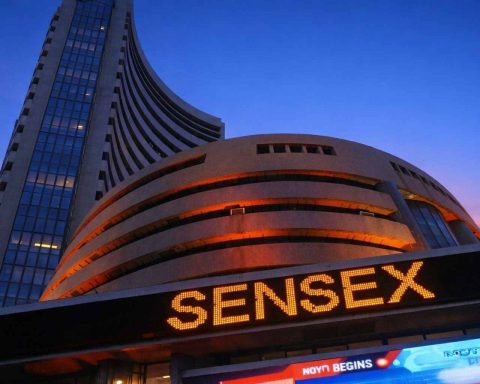
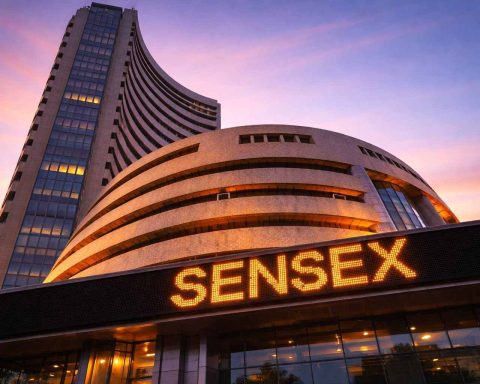
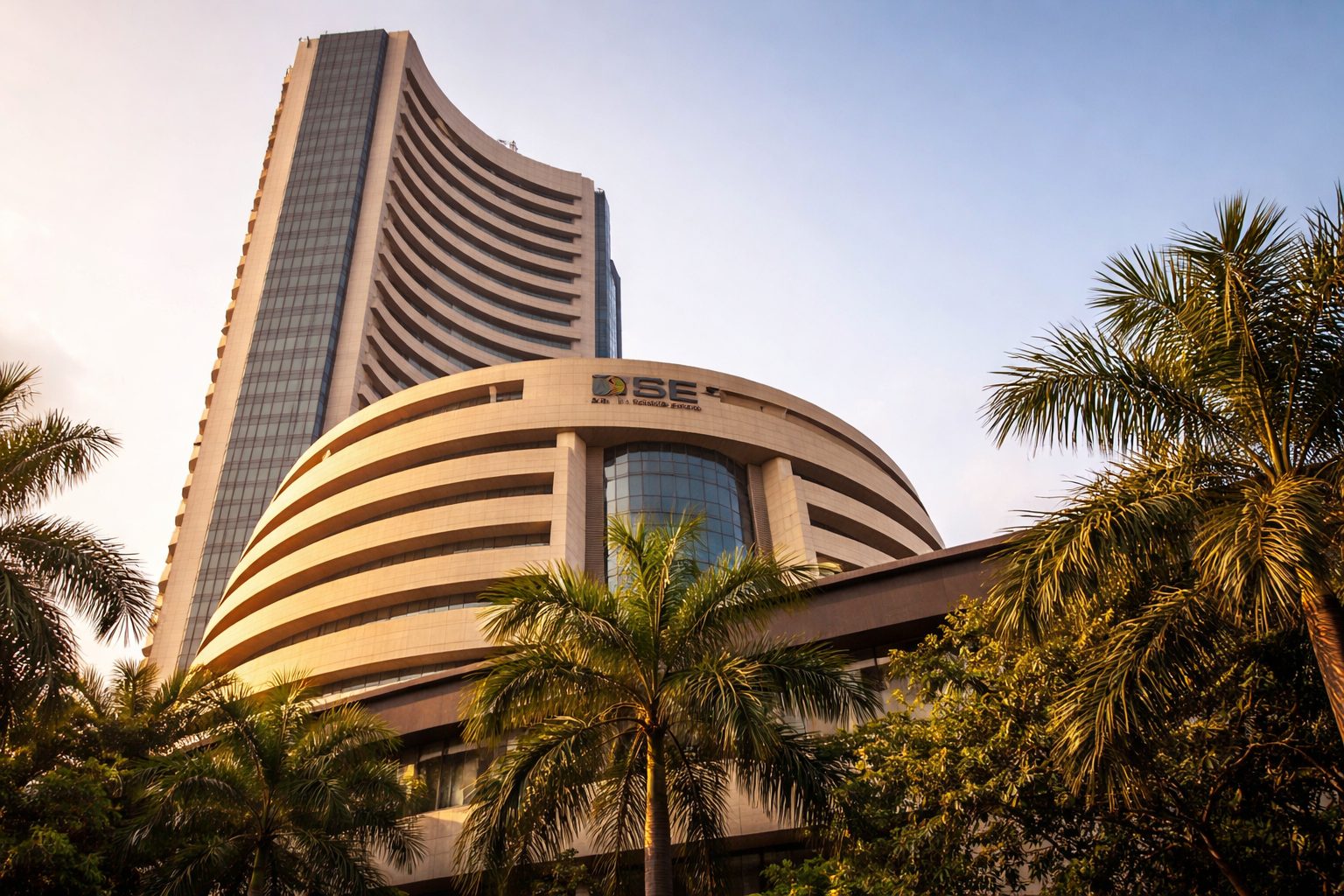
- Sensex surged 943.52 points, closing at 81,666.46, while the Nifty 50 added 262.95 points to finish at 25,088.40.
- Markets bounced back from Sunday’s budget session losses, driven by heavy buying in key stocks, though IT shares remained sluggish.
- Bond yields, the rupee, and the RBI policy decision later this week are under traders’ close watch.
Indian shares clawed back some losses on Monday, with the Sensex rising 1.17% to 81,666.46 and the Nifty 50 up 1.06% at 25,088.40. Despite mixed broader cues and negative market breadth, the India VIX — measuring expected volatility — dropped sharply.
The rebound followed a rare Sunday session where benchmarks tumbled about 2%, marking their sharpest budget-day drop in six years. This came after New Delhi proposed raising the securities transaction tax (STT) on equity derivatives — futures and options. Seshadri Sen of Emkay Global Financial Services said he saw “limited downside risk” for the Nifty despite Sunday’s fall. Anand Gupta from Allianz Global Investors added that the impact on large institutional hedging from the STT hike was expected to be limited. Reuters
The equity rebound adds fuel to a larger debate: government debt supply, foreign capital movements, and the rupee’s next move. Traders are zeroed in on the government’s FY2026-27 borrowing plan and the 4.3% fiscal-deficit target, keeping bond yields in focus ahead of the Reserve Bank of India’s policy decision this Friday.
The budget includes a proposal to hike the securities transaction tax on equity futures from 0.02% to 0.05%, and on options from 0.1% to 0.15%. This step increases trading costs in derivatives, coming amid efforts by regulators to rein in speculation in the retail-driven futures and options segment.
Late buying in heavyweights and capital-spending stocks drove gains on Monday. Reliance, Adani Ports, Bharat Electronics, and Larsen & Toubro all boosted the benchmarks. Power Grid surged 7.6% after its management confirmed that its FY26 capital spending and capitalisation plans remain on track, Business Standard reported.
The rupee edged up 0.5% to 91.5125 per dollar, likely buoyed by central-bank dollar sales, while the 10-year benchmark bond yield climbed as much as 8 basis points to 6.77%, marking its highest level since March 2025, Reuters reported. Marc Velan, head of investments at Lucerne Asset Management, said the budget felt more like continuity than a surprise and didn’t provide a fresh catalyst to shift the foreign-flows narrative.
Borrowing also sparked concerns. Upasna Bhardwaj from Kotak Mahindra Bank flagged the “sharply higher-than-expected” gross borrowing of 17.2 trillion rupees as a likely drag on sentiment. On the derivatives front, Shripal Shah of Kotak Securities noted that the steeper STT “is likely to raise impact costs,” which could, in turn, cool trading volumes. Reuters
A recent macro report gave a mixed signal for risk assets. The HSBC India Manufacturing PMI, put together by S&P Global, ticked up slightly to 55.4 in January from 55.0. Yet business confidence fell to its lowest level in three-and-a-half years. Costs for inputs climbed, but companies struggled to raise prices.
The rebound faces an early challenge. Rising bond yields amid heavy supply could squeeze financial conditions and weigh on rate-sensitive stocks. A shift in global risk appetite might also trigger overseas outflows and drag the rupee back toward its record lows.
Traders will watch for momentum to build after the post-budget swings, focusing on the Jan services PMI set for Wednesday (Feb. 4) and the RBI policy decision on Friday (Feb. 6) as key upcoming drivers.
Related articles: NSE:RELIANCE