
SINGAPORE, Feb 2, 2026, 19:28 (SGT)
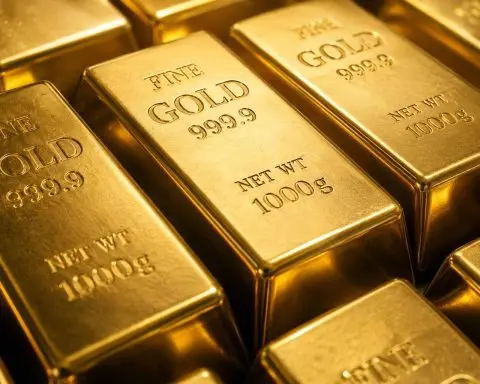
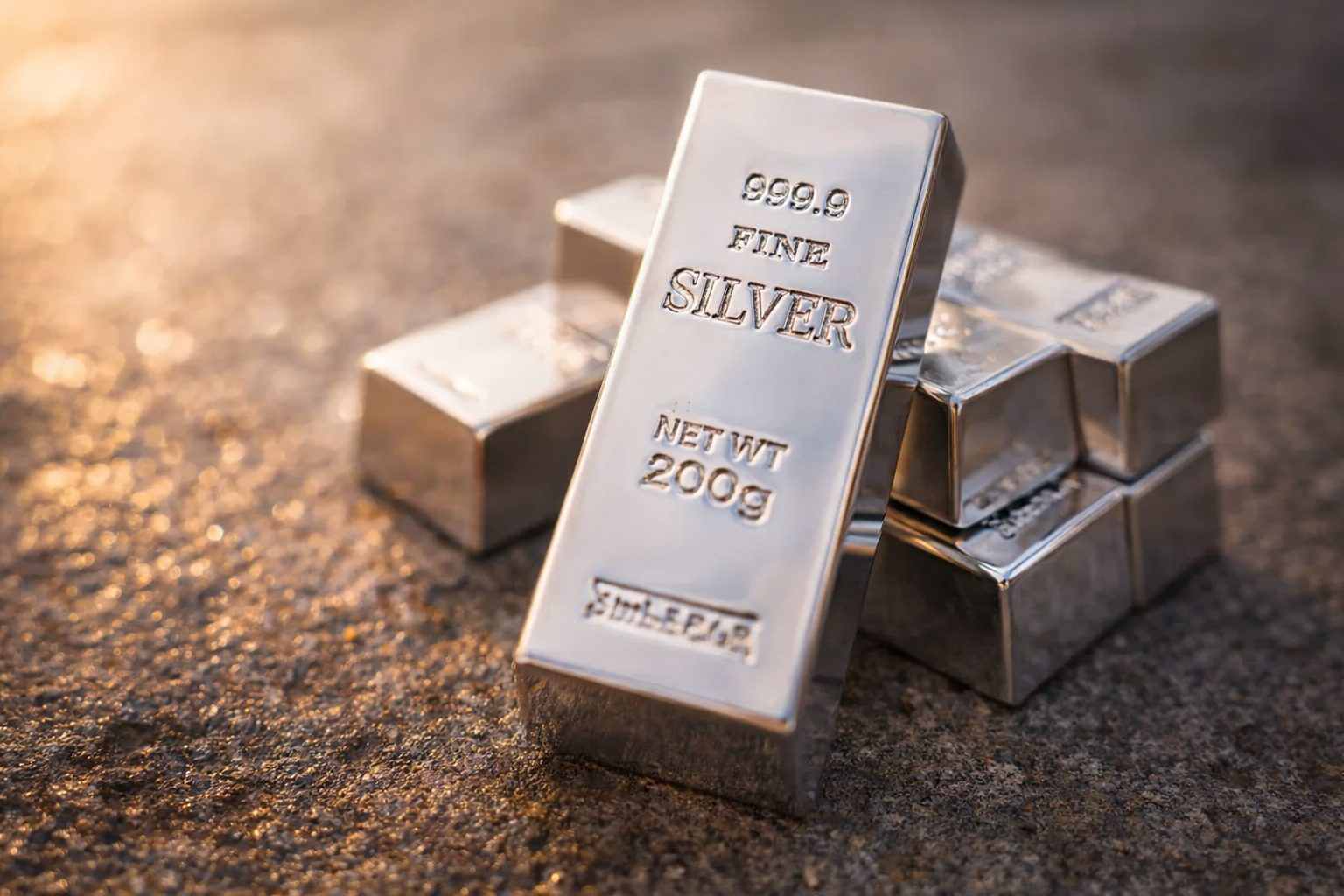
Gold and silver extended their sell-off on Monday as higher margin demands on futures trading added to the rush to cut leveraged bets. Spot gold was down 3.2% at $4,708.19 an ounce by 1008 GMT, after dropping nearly 10% earlier, while spot silver was down 3.4% at $81.65 after a 15% intraday slump. U.S. gold futures for April delivery fell 0.3% to $4,730.40, while platinum slid 4.3% to $2,070.64 and palladium dropped 2.1% to $1,662.68.
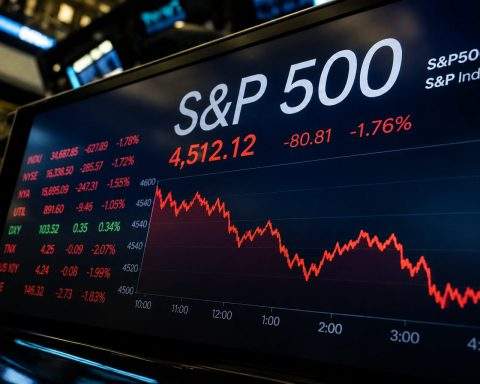
The latest leg lower comes after a breakneck run-up that left the market crowded and jumpy, and the reversal is starting to spill into Asian equities. Indonesian stocks slid 4.9% and Hong Kong’s Hang Seng Index fell 2.2% on Monday; Singapore’s benchmark ended down 0.3% and small-cap miner CNMC Goldmine dropped 8.4%, The Straits Times reported. “This isn’t over,” said Robert Gottlieb, a former precious-metals trader at JPMorgan. “The trade was way too crowded.” The Straits Times
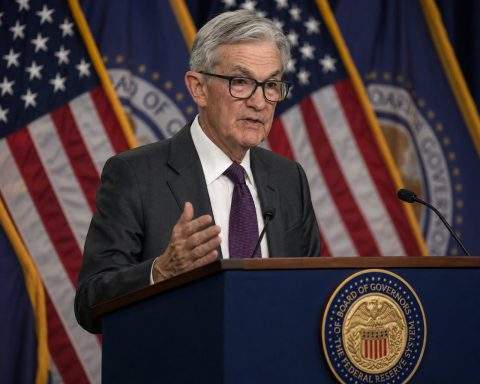
Selling erupted on Jan. 30 after U.S. President Donald Trump said he had chosen former Federal Reserve Governor Kevin Warsh to lead the Fed, lifting the dollar and denting sentiment in dollar-priced metals. Panmure Liberum analyst Tom Price said Warsh “won’t push aggressively for rate cuts,” while Saxo Bank’s Ole Hansen called the market “ripe for a correction.” Independent analyst Ross Norman summed it up: “Precious metals have discovered gravity.” Reuters
CME Clearing’s latest performance-bond notice showed initial and maintenance margin on its COMEX gold contracts rising to 8% from 6% for standard (non-high risk) accounts, while COMEX silver margins rise to 15% from 11%, with the changes effective after Monday’s close. Margin is the cash collateral a trader must post to hold a futures position; raising it can force investors to sell to meet a bigger bill.
Zain Vawda, an analyst at MarketPulse by OANDA, said the hike “makes holding speculative positions less appealing” and was “creating a sort of feedback loop” as falling prices trigger margin calls and more selling.
Gold has fallen about $900 from an all-time high of $5,594.82 set on Jan. 29, after Friday’s drop was its sharpest one-day fall since 1983. Silver has shed about a third since topping $121.64 last week.
Some of the biggest moves have been in Asia, where the rally had drawn in retail money and heavy options trading. A wave of buying in call options — contracts that give the holder the right to buy at a set price — mechanically pushed prices higher as option sellers hedged by buying metal, Goldman Sachs said in a note cited by The Straits Times.
China’s response now looks like the next hinge point. Over the weekend buyers crowded Shenzhen, China’s biggest bullion marketplace, ahead of the Feb. 17 Lunar New Year, and Jinrui Futures analyst Wu Zijie said traders would “trim positions and reduce risk” into the holiday.
In silver, the rout may also loosen tight supply in China’s domestic market. China Futures analyst Wang Yanqing said that once the “one-way rally is broken”, short sellers could become more willing to deliver metal, easing shortages.
Barclays said it still expects rate cuts, fiscal expansion and quantitative easing — central bank asset purchases meant to push down borrowing costs — to keep investment demand firm for gold, despite the unwind. The bank also flagged “de-dollarisation”, or efforts to reduce reliance on the U.S. dollar.
But traders are bracing for more turbulence, especially if Monday’s higher margins spark another round of forced selling or if dip-buying in China fizzles. Gold and silver have a habit of overshooting both ways.
The dollar’s rise since the Warsh pick has made bullion costlier for buyers using other currencies, while investors argue over what a smaller Fed balance sheet would mean for the greenback. For now, the market is watching where the metals find support — and whether the selling finally runs out of fuel.
Related articles: NASDAQ:CME