
New York, Feb 2, 2026, 10:11 EST — Regular session
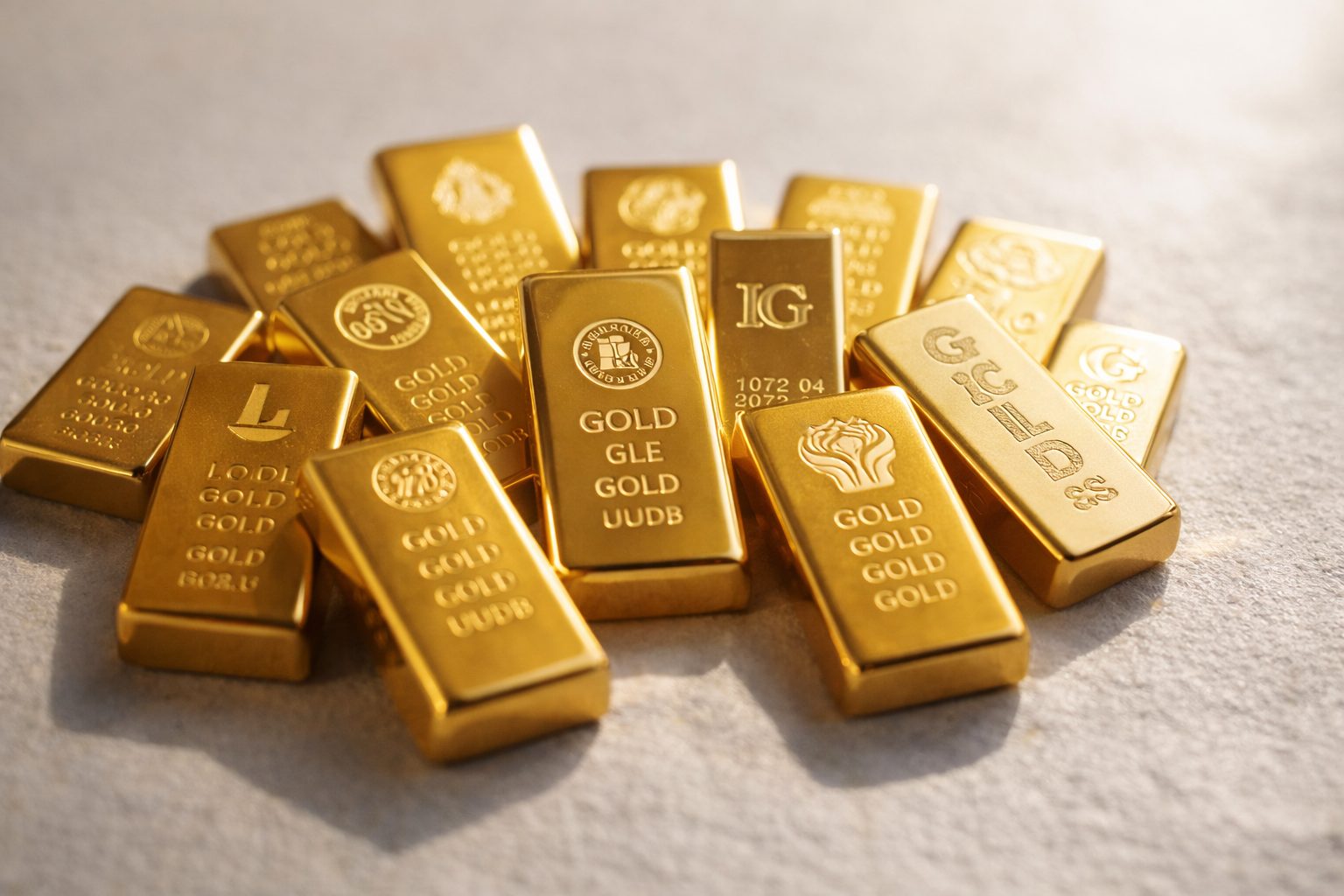
Gold prices plunged further on Monday, with spot bullion falling 3% to $4,718.35 an ounce by 9:10 a.m. ET, after an earlier drop of nearly 10%. U.S. April gold futures held steady around $4,740.90, leaving the metal about $900 below its Jan. 29 record high of $5,594.82 following a steep 9.8% fall on Friday. The selloff accelerated after CME Group raised margin requirements for precious-metals futures and the dollar strengthened on news that President Donald Trump nominated Kevin Warsh to head the Federal Reserve.
This move is significant because margin hikes require traders to put up more cash to maintain futures positions. When markets move quickly, that often leads to forced selling as leveraged bets are trimmed, even if the bigger picture remains intact.
On Jan. 30, CME announced margin increases for Comex futures. Margins on 100-ounce gold contracts will jump to 8% from 6% for standard accounts, and to 8.8% from 6.6% for those deemed heightened risk. Silver futures margins will climb to 15% from 11%, or 16.5% from 12.1% for heightened-risk accounts. These changes take effect after Monday’s close.
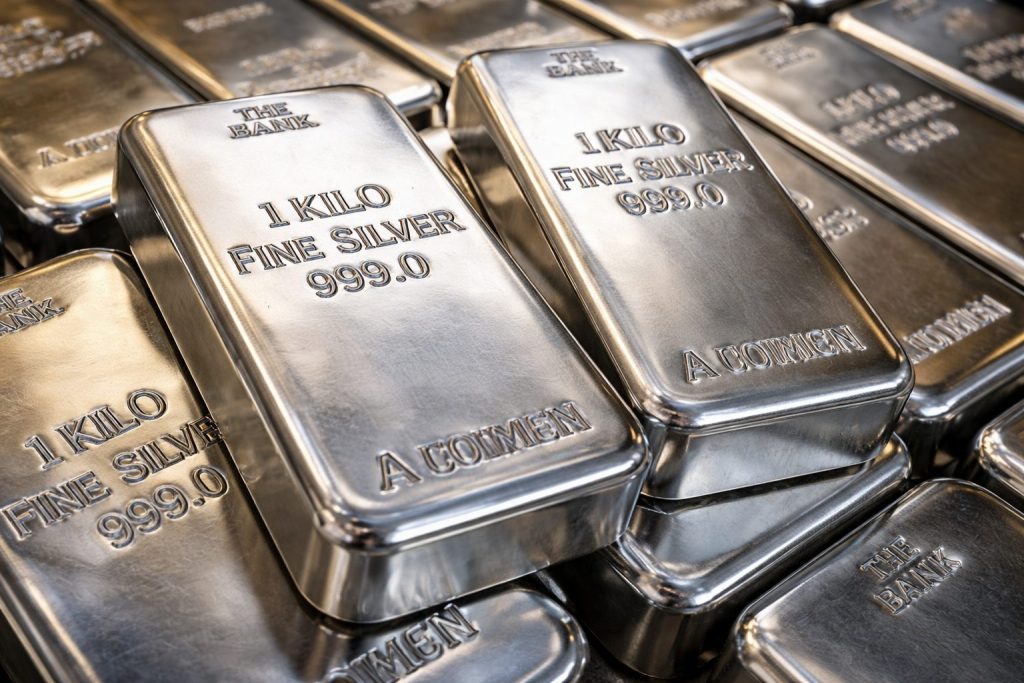
Spot silver dropped 3.3% to $81.75 an ounce, now about 32% below last week’s peak. Platinum edged down 1.4% to $2,132.55, while palladium fell 2.7% to $1,743.93. John Meyer, analyst at SP Angel, described the market as “on a rollercoaster ride,” highlighting outflows from gold-backed ETFs that trade like stocks. Deutsche Bank’s Michael Hsueh said the outlook doesn’t suggest a sustained rebound, with investors still willing to pay premiums for potential gains. MarketScreener
The shock has spread through commodities and risk assets as investors digest what Warsh’s Fed pick could signal. Vivek Dhar at Commonwealth Bank of Australia called the market reaction “more hawkish,” while Tony Sycamore at IG compared the scale of the sell-off to the “dark days of the 2008 global financial crisis.” A hawkish central bank typically favors higher rates to fight inflation, which usually boosts the dollar and makes holding non-yielding gold more expensive. Reuters
Warsh, a former Fed governor, is slated to take over from Chair Jerome Powell when his term expires in May, though his nomination will face a tough Senate confirmation. Known previously as an inflation hawk, Warsh now supports rate cuts and shrinking the Fed’s balance sheet. The central bank cut rates three times in 2025, bringing them to 3.50%-3.75%. Markets don’t see another cut coming until June, according to Reuters.
Gold doesn’t yield interest. If traders expect rates to remain elevated or the dollar to keep climbing, the metal’s allure can fade fast, especially following an extended rally.
Some banks continue to back the bull case. J.P. Morgan said it remains “firmly bullishly convicted” on gold over the medium term, targeting $6,300 an ounce by the end of 2026, driven by ongoing buying from central banks and investors. Deutsche Bank stuck to its $6,000 forecast. Reuters
There is a downside risk that doesn’t require fresh negative headlines. Should the dollar maintain its strength and margin calls pile up following Monday’s close, traders warn that forced selling could continue, pushing prices down amid thin liquidity.
Attention is turning to Friday’s U.S. jobs report, a key data point that could jolt Treasury yields and reshape expectations for rate cuts in a single release. The Bureau of Labor Statistics is set to publish the January Employment Situation report on Feb. 6 at 8:30 a.m. ET.
Related articles: ASX:CBA