
NEW YORK, Feb 24, 2026, 13:17 EST — Regular session
- Crude trades erratically, hovering just off multi-month highs, with Middle East risk baked in by traders.
- U.S. tariffs stack on top of tanker costs, muddling both demand and supply outlooks.
- Next up: U.S. inventory data and Thursday’s Geneva talks are set to drive the action.
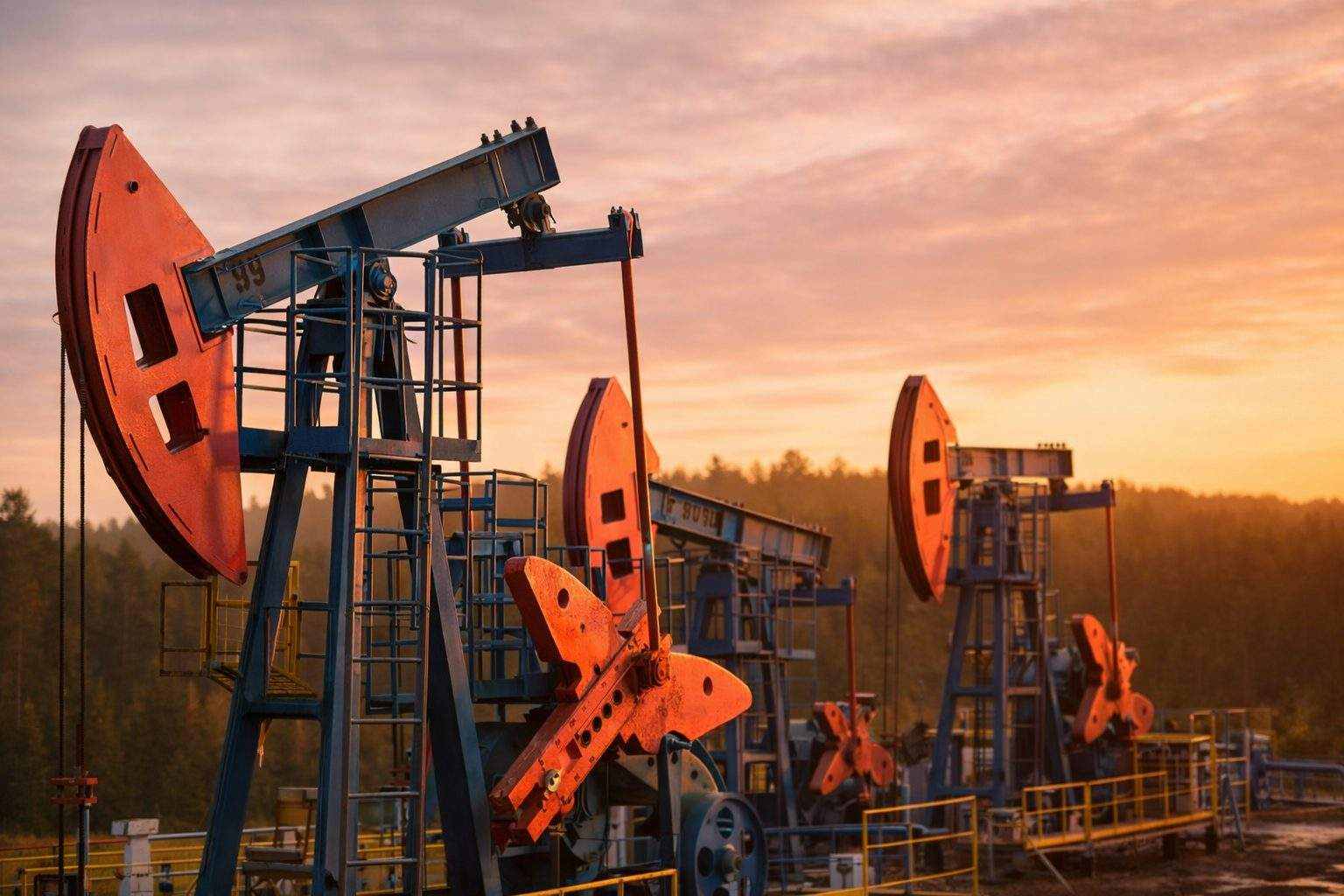
Oil spent much of Tuesday circling around seven-month peaks — Brent at heights last touched in late July, WTI not seen since early August — but pulled back from earlier highs as traders kept an eye on U.S.-Iran nuclear talks. Brent futures shed 25 cents, or 0.4%, coming in at $71.24 a barrel by 10:41 a.m. EST. U.S. West Texas Intermediate (WTI) crude also dropped 25 cents, or 0.4%, to $66.06. A geopolitical risk premium is now baked into U.S. crude prices, running about $3-$4 a barrel, reflecting insurance against disruption. On top of that, markets absorbed a fresh 10% U.S. tariff, hints that Venezuelan exports could accelerate starting in March, and anticipated weekly U.S. stockpile numbers from both the American Petroleum Institute and the Energy Information Administration.
Freight markets are taking a hit. Shipping a VLCC — that’s a supertanker with capacity for around 2 million barrels — from the Middle East to China now runs above $170,000 a day, according to LSEG, more than triple what it cost at the year’s open. June Goh at Sparta Commodities points to “positive fundamental drivers” behind the surge. Broker Clarksons, though, flags just how fast VLCC rates can “reprice quickly” if war-risk perceptions shift. Reuters
The pain runs deeper: oil has stopped being the straightforward disinflation force it was a year ago. As crude prices tick higher, that helpful year-over-year decline which eased inflation is quickly evaporating, Reuters’ Jamie McGeever points out. Now, every scrap of news from the Gulf is under the microscope for central banks and bond traders.
The action Monday barely budged, with Brent slipping 27 cents to close at $71.49 a barrel—a 0.38% drop. WTI lost 17 cents, or 0.26%, finishing at $66.31. Traders are eyeing Thursday’s Geneva talks between U.S. officials and Iran, Reuters said. Price Futures Group’s Phil Flynn picked up on what he called Iran’s “more open” tone, but warned the threat of a strike remains elevated. Mizuho’s Bob Yawger didn’t mince words, calling tariffs “a disaster.” Reuters
Prices edged up early Tuesday, then slipped back. Brent was up 48 cents, or 0.7%, at $71.97 a barrel as of 06:58 GMT, while WTI added 45 cents, or 0.7%, to $66.76, according to a Reuters piece in Dawn. “Geopolitics is clearly doing most of the heavy lifting,” said Priyanka Sachdeva of Phillip Nova. OANDA’s Kelvin Wong pointed to conflict-driven headlines as “likely to be the primary driver” in the short term. Dawn
Further out on the curve, banks are sorting through the risk premium’s next move. Goldman Sachs bumped its Brent forecast for the fourth quarter of 2026 up by $6, landing at $60, and put WTI at $56, sticking with its call for a 2.3 million barrel per day surplus that year. According to Goldman, those numbers rest on the assumption that there’s no supply hit from Iran and that today’s premium will unwind as tensions settle. The bank also flagged the chance of lower prices if sanctions ease and more barrels come to market.
The market’s glued to the next headline, not what’s coming next year. If there’s a flare-up endangering shipping lanes, that premium sticks around—and might even get a bump—even if oil barrels are still moving for the moment.
Flip it around: if Geneva softens its tone, or if there’s more evidence demand is losing steam because of tariff jitters, traders could find it a lot simpler to unwind the premium in the curve.
OPEC+ has scheduled its next check-in for March 1. The eight-nation coalition opted to hold off on raising output for March, sticking with its previous stance. Supply policy remains in the background, even as prices continue to climb.
This week brings U.S. inventory reports, followed by Thursday’s Geneva talks. Both could rapidly shift the premium the oil market is willing to put on risk.
Related articles: Stock Market