WASHINGTON, March 20, 2026, 05:31 EDT
Thursday saw Nexstar Media Group finalize its $6.2 billion purchase of Tegna, cementing its spot as the largest owner of local TV stations in the U.S. The deal got the green light from both the FCC and Justice Department, but it’s not out of the woods—states and DirecTV are still fighting the merger in court. The enlarged Nexstar now controls 265 full-power stations across 44 states and Washington, D.C.
The timing isn’t great for broadcast TV. According to the FCC order, streaming now dominates how Americans watch video, while broadcast television’s monthly share slipped to 18.5% over the past year. That decline is the same pressure point Nexstar cited in its push for more scale to sustain local news.
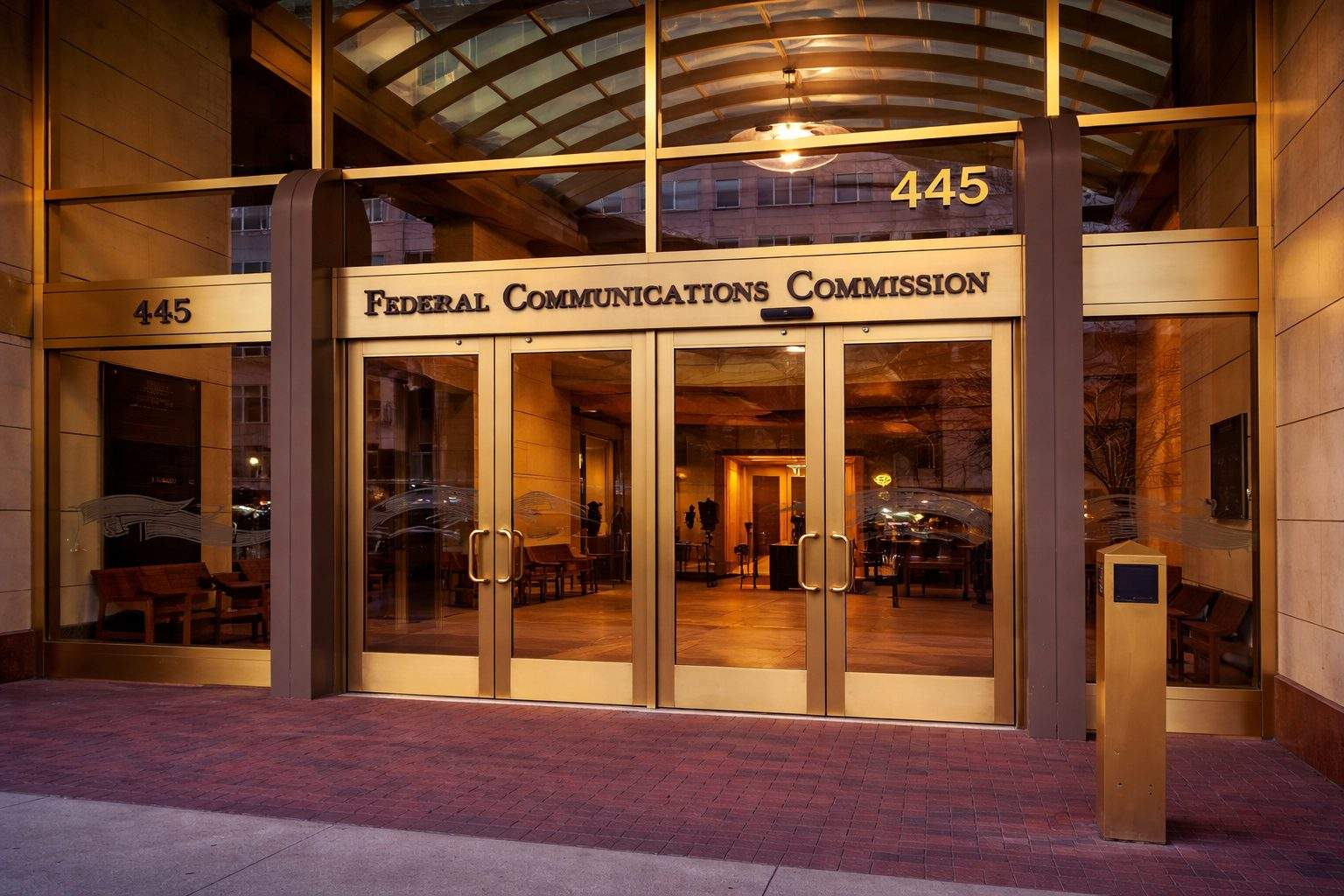
This explains the significance of the waiver. The FCC’s Media Bureau set aside the rule, which usually stops a broadcaster from covering more than 39% of U.S. TV homes. Nexstar, for its part, has acknowledged the merged reach hits roughly 80% of American households.
The agency cited a separate metric to back its decision, noting Nexstar’s share of U.S. TV stations would remain under 15%. According to regulators, Nexstar also committed to selling off six stations in the next two years.
Nexstar committed to boosting local programming for a minimum of two years in the markets it’s acquiring, and plans to add local news in nine of them, according to the FCC’s order. Founder and CEO Perry Sook described the deal as “essential to sustaining strong local journalism.” FCC Docs
Carr framed the merger as a move for local affiliates to regain leverage against network giants like Disney’s ABC and Comcast’s NBC. In the FCC’s statement, he noted the agency’s actions reflect a market that, in his words, is “not the one from decades past.” Reuters
Still, the legal threat lands fast. On Wednesday, California and seven other states filed suit in federal court in Sacramento, arguing the merger breaks antitrust law. DirecTV’s general counsel and chief external affairs officer Michael Hartman flagged that the move might “trigger a wave of similar consolidation.” California AG
Retransmission consent fees are at the heart of the dispute — those are the payments cable and satellite providers shell out to air local stations. DirecTV claims these fees have exploded by more than 5,000% over the past twenty years, projecting them to hit $11.9 billion in 2025. The FCC pushed back, pointing out that it’s the distributors, not Nexstar, who decide what consumers actually pay, and added that Nexstar had already offered some partners temporary rate extensions.
Divisions have surfaced on the right as well. Trump threw his support behind the deal in February. But Newsmax CEO Chris Ruddy pushed back, telling lawmakers the ownership cap remains “one of the last meaningful protections for competition and diversity.” Reuters
Anna Gomez, the FCC’s only Democrat, objected to the merger’s approval, noting it went through without a public vote from the full commission. Reuters added that Carr spoke favorably of Nexstar last year after the broadcaster temporarily pulled ABC’s “Jimmy Kimmel Live!” from its affiliate lineup. The Washington Post
New York Attorney General Letitia James argued the merger would cut competition in 31 markets. The deal has already gone through, but lawsuits are still pending in federal court, so the fight now shifts to a judge rather than the FCC.