
New York, June 14, 2026, 23:45 CEST
- Archer Aviation ended Friday’s session down 4.15% at $5.08, trailing SPY and QQQ as both ETFs closed in the green.
- Another Form 144, this one tied to officer Eric Lentell, was small. But it added to the focus on insider selling and dilution fears.
- Archer now faces whether it can push FAA Phase 4 testing into working U.S. air-taxi service by 2026.
Archer Aviation NYSE:ACHR fell 4.15% to end at $5.08 in the most recent session, putting its market value just under $3.9 billion. Shares moved in a range from $5.00 to $5.39 throughout the day. The drop in Archer came even as major indexes gained—SPDR S&P 500 ETF Trust rose 0.57%, and Invesco QQQ added 0.59%. Archer’s stock is sensitive to changes in the discount rate on future earnings. For now, that discount is tied to things like certification goals, ongoing spending, and any possible equity raises before the company’s air-taxi operations start.
Archer Aviation (ACHR) officer Eric Lentell has moved to sell 3,754 Class A shares, according to a June 11 Form 144 filing, worth about $18,764. The shares are a small part of Archer’s 759.6 million shares outstanding. Lentell has reported several other sales during the past three months. Debate on governance and dilution keeps coming up for the stock.
Archer’s main issue is cash burn. The company reported $1.6 million in revenue for the first quarter, but booked a net loss of $217.7 million. Adjusted EBITDA loss came in at $172.5 million. Adjusted EBITDA excludes interest, taxes, depreciation, amortization and some other items—it gives a look at the loss from operations before those costs. Archer is guiding for a second-quarter adjusted EBITDA loss between $170 million and $200 million. Valuation is still based on the outlook for aircraft certification and eventual service launches, with current sales not the focus.
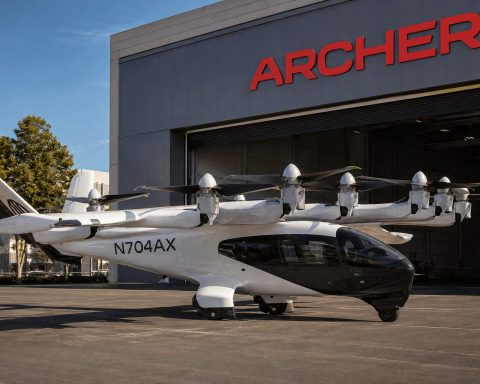
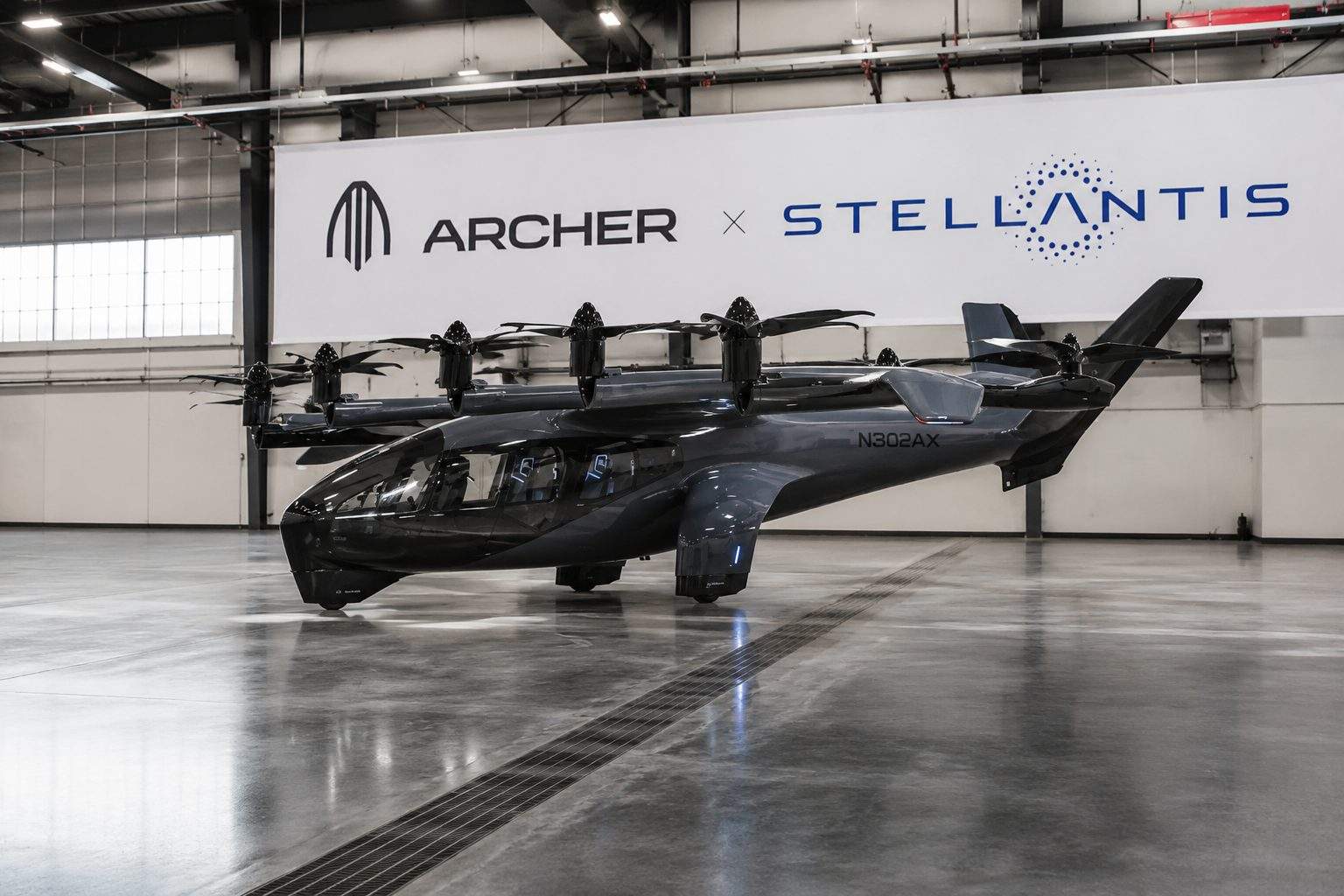
Archer’s bull case is tied to its cash position and regulatory progress. The company ended Q1 sitting on $1.78 billion in cash, cash equivalents and short-term investments. Management said Archer became the first eVTOL company to finish Phase 3 of the FAA’s Type Certification process for its Midnight aircraft. The battery-powered eVTOLs can take off vertically like helicopters and cruise like planes. CEO Adam Goldstein called it “record FAA certification progress” and said this marked Archer’s “most expansive flight testing to date.” investors.archer.com
Investors are waiting on Phase 4 progress with the FAA, which Archer calls the next big step. The company plans to show its Midnight aircraft meets standards through tests and analysis. Getting type certification from the FAA is necessary—it allows a plane to operate with fewer restrictions and take paid jobs. Archer told investors it wants to begin U.S. service this year through the eVTOL Integration Pilot Program and gear up for the LA28 Olympic Games. It also mentions possible government defense work under its Anduril program that could start this year.
Archer trades as a pre-commercial, high-risk aerospace stock. Losses are large and commercial Midnight flights still await full FAA sign-off. A June 12 Motley Fool article compared Archer to Joby Aviation, saying both names still have to complete the FAA process before they can launch U.S. commercial service. Approval might not show up until late 2026 or 2027. For investors, that leaves more risk of delays, cash burn, and dilution as new shares could reduce existing stakes.
Archer’s current price gives the stock a riskier look than one that’s just undervalued. TipRanks rates ACHR a Moderate Buy, with three analysts on the name over the past three months and an average price target of $13. That means there’s upside, if Archer gets both certification and commercialization. But that still depends on milestones that haven’t landed, like FAA Phase 4, starting U.S. routes, landing defense business, and actual revenue. Aggressive growth investors might like ACHR as a speculative air-mobility name, but more cautious investors still see the stock as vulnerable until Archer can deliver revenue and get its cash burn under control.
Related articles: NYSE:ACHR