
New York, June 3, 2026, 13:04 (EDT)
Aurora Innovation shares fell about 11% in midday trading on Wednesday, handing back part of a sharp 2026 rally as investors tested how much credit to give the company’s driverless-truck rollout before revenue scales. The Nasdaq-listed stock was quoted at $6.845, down 11.33%, while still up 80.86% since Jan. 1.
That is the tension in the stock now. Aurora is no longer just selling a story about autonomous freight; it is trying to prove it can turn routes, customers and truck counts into a business with enough scale to justify a market price that has moved fast.
The latest Wall Street push came last week, when Northland Capital Markets analyst Michael Latimore initiated coverage with an Outperform rating and an $11 target. Outperform is broker language for expecting a stock to beat a benchmark or peer group.
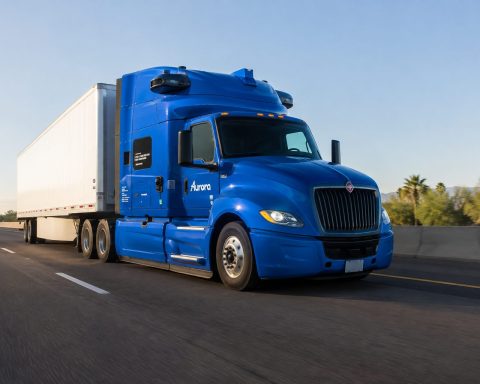
Aurora’s own message has been firm. Chief Executive Chris Urmson said in May the company was “on track to put hundreds of driverless trucks on the road this year,” while the company said it anticipated more than 200 driverless trucks by year-end and cited Hirschbach’s intent to operate 500 Aurora-powered trucks under Driver as a Service, a fee-per-mile model for using Aurora’s self-driving system. Aurora Innovation, Inc.
Customer news has kept the bull case alive. Aurora and McLane, a Berkshire Hathaway subsidiary, said on May 6 they would begin driverless hauls in Texas after a pilot that logged more than 280,000 autonomous miles and 1,400 loads; Aurora president Ossa Fisher said the deal could “transform the American food supply chain,” while McLane Restaurant president Susan Adzick pointed to “exceptional safety performance.” Aurora Innovation, Inc.
A week later, Volvo Autonomous Solutions and DSV said they had started autonomous freight operations in Texas using the Volvo VNL Autonomous truck integrated with the Aurora Driver. DSV Road CEO Helmut Schweighofer called it a “production, depot-to-depot setup,” and Volvo executive Sasko Cuklev said the Dallas-Houston work could create a “scalable foundation” for more lanes. Aurora Innovation, Inc.
The numbers remain small beside the ambition. Aurora reported first-quarter revenue of $1 million and a net loss of $223 million, with $273 million of cash and $1.004 billion of investments at March 31. The company also said it had only recently started to generate revenue, did not expect significant revenue until commercial scale, expected operating losses, and expected to raise capital when it sees fit. A slower rollout, poor uptime, weak pricing or a safety setback would quickly change the market’s view.
The competitive backdrop is getting harder, not softer. ACT News said after an industry panel that PlusAI, Torc, Aurora and Waabi were all pushing from proof-of-concept toward commercialization, with factory-built, validated autonomous trucks seen as critical to scale.
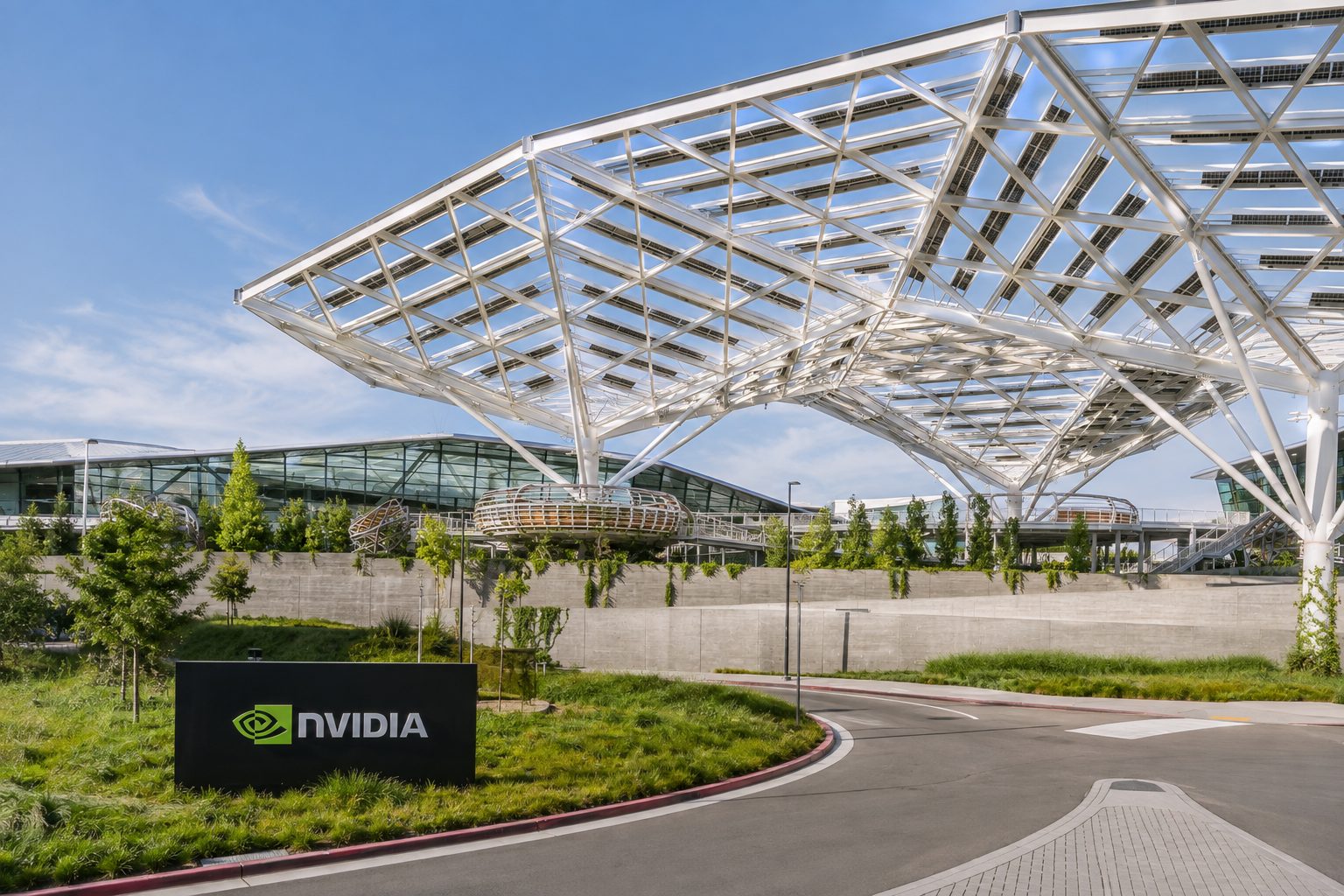
Partner stocks did not explain the whole move. Uber, which is part of Aurora’s transport ecosystem through Uber Freight, was down about 1.3% around midday; Nvidia, another Aurora partner through autonomous-driving hardware work, fell about 3.3%. Aurora’s drop was much sharper.
For now, AUR is trading less like a mature transport name and more like a milestone stock. The next test is plain enough: more trucks, more routes, more paying miles — and proof that the losses narrow when that happens.


![Asia Stock Market Today 28/08/2026 [UPDATE: 00:51 SGT] [Salesforce Leads KASE Global Into Final Minutes After Asia’s Split Close]](https://ts2.tech/wp-content/uploads/2026/08/Asia-market-dashboard-2026-08-28-0051-480x384.jpg "Asia Stock Market Today 28/08/2026 [UPDATE: 00:51 SGT] [Salesforce Leads KASE Global Into Final Minutes After Asia’s Split Close]")