
NEW YORK, July 8, 2026, 17:01 EDT
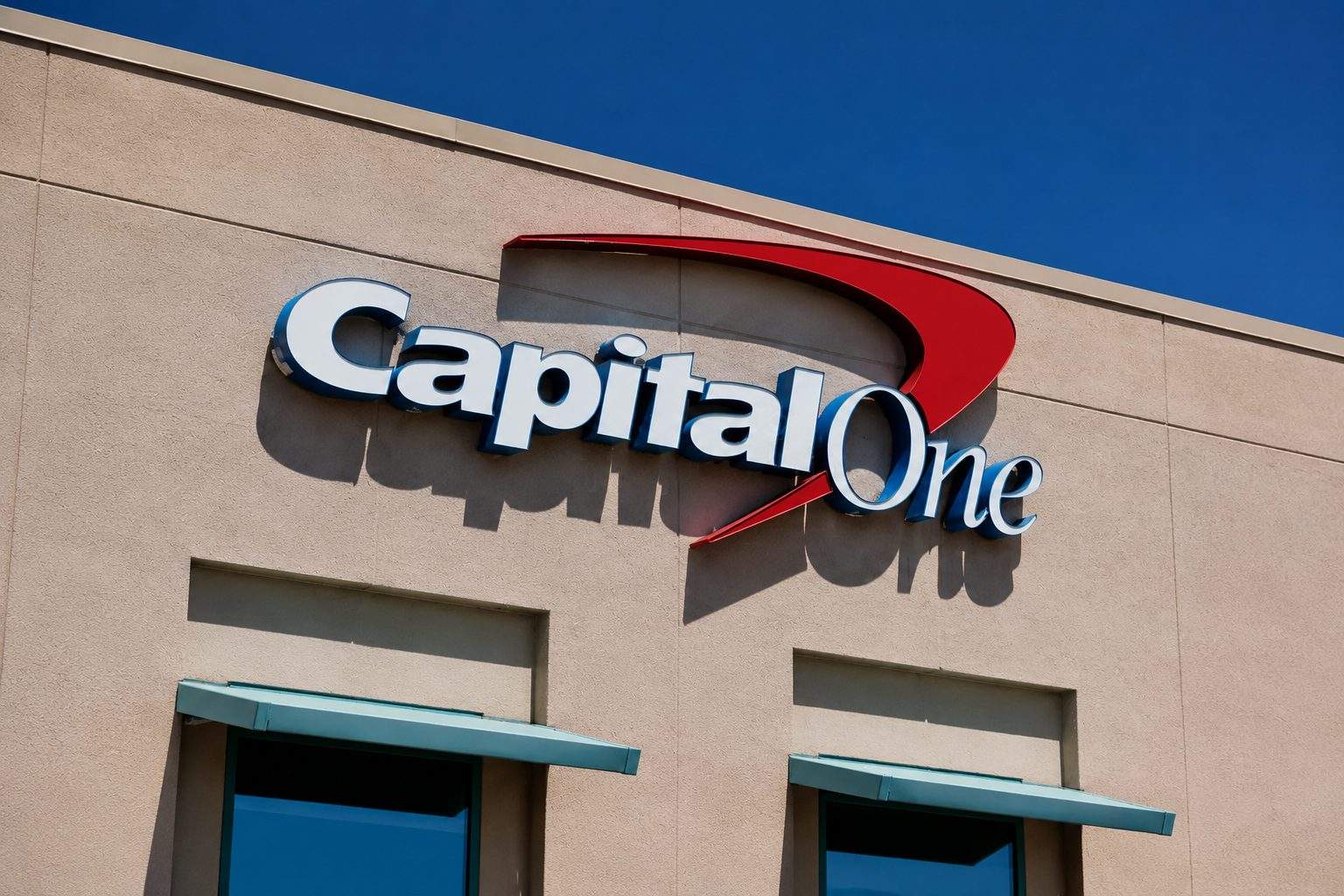
Capital One Financial shares slumped Wednesday, finishing down 5.39% at $191.95. The loss stretched the decline for a second day, leaving the stock trailing the wider market and key banking rivals. Shares dropped about $11 from the previous close, bringing market value to roughly $119.4 billion.
The timing is notable. Capital One has its second-quarter earnings set for July 21, with results dropping around 4:05 p.m. Eastern, and a call scheduled for 5 p.m. Investors will be watching for updates on credit trends, Discover integration costs, and the company’s payment network plans.
U.S. markets traded open. The NYSE ran its regular hours, 9:30 a.m. to 4 p.m. Eastern, after taking Independence Day off on July 3 instead of Wednesday. Capital One volume jumped to about 7.2 million shares. That’s above its 50-day average of 4.7 million, suggesting this wasn’t just light summer volume.
Capital One lagged the weak broader market on Wednesday. The S&P 500 ended down 0.28% and the Dow fell 1.09%. JPMorgan Chase lost 2.54%, Bank of America dropped 2.61%, and Visa was off 1.33%. Capital One finished the session 26.07% below its Jan. 6 52-week high of $259.64.
Analyst calls on Capital One were mixed this week. UBS’s Erika Najarian bumped up the price target to $275 from $270 and held her Buy call on Tuesday. Barclays, TD Cowen and Rothschild & Co Redburn also tweaked their targets, but the changes didn’t point in one direction.
Capital One shares now move on more than just consumer lending results. The bank closed its Discover deal in May 2025, picking up a bigger credit card portfolio and taking over its payments network. At closing, the company said customer accounts and banking ties stayed the same.
The network side is pulling in more notice. Reuters Breakingviews said Wednesday that big banks like JPMorgan are eyeing payment networks because the Durbin Amendment puts a lid on debit-card interchange fees. But banks can get around that limit if they run transactions through their own networks. After its deal, Capital One moved most of its debit-card spending to Discover’s network, where average fees hit about 1.2%, compared to less than 0.5% under the cap, Breakingviews said.
There’s a risk the payments boost doesn’t materialize as hoped. Merchants have political clout, and Visa and Mastercard have already come under legal fire over fees. Smaller banks might push back against networks tied to bigger rivals. Stablecoins and new tech could also pressure card margins. That’s the downside: investors could be pricing in synergies that may run into regulation, politics, and deal execution issues.
Capital is in focus too. Capital One said last month its stress capital buffer will stay at 4.5% through Sept. 30, 2027, unless the Fed changes it. The company said this was set before its Discover deal closed. Investors are watching to see how the balance sheet looks and what that means for capital returns.
Capital One’s last quarter stirred debate. The bank turned in net income of $2.2 billion, or $3.34 a share, with adjusted earnings at $4.42. CEO Richard D. Fairbank called it “solid top line growth and strong credit performance” and said Discover integration was on track. The quarter also saw $415 million in Discover integration costs and a $4.1 billion credit loss provision—funds set aside for potentially sour loans. Capital One Financial Corp.
Capital One is pushing further into business payments. In April it closed the Brex deal, with Fairbank calling Brex’s platform a “gamechanger for business customers” and calling the combination a “transformational opportunity” in business payments. That brings Capital One another way to grow, but it also adds to integration work. Capital One
The next real mover for the stock is earnings day. If credit stabilizes and Discover cost savings show up, along with better network numbers, the stock could find some footing. But if card losses don’t improve or the integration drags, investors may keep the shares below their January high.