Browse Category

Digital Divide News 22 March 2025 - 30 May 2025

Internet Access in Algeria

Internet Access in Algeria

As of early 2024, Algeria had about 33.5 million internet users, roughly 72.9% of the population. By January 2025, internet penetration rose to about 76.9% of the population. There were over 50 million mobile subscriptions in 2024, often exceeding the population due to multiple SIMs per user. By early 2023 Algeria had 5.12 million fixed internet subscribers, up from 3.5…

State of Internet Access in Mexico: The Digital Divide, Ground and Sky

State of Internet Access in Mexico: The Digital Divide, Ground and Sky

As of early 2024, Mexico had over 107 million internet users, about 83% of the population. Fixed broadband is increasingly fiber-based, with around 70% of fixed connections using fiber (FTTH) and Telmex migrating about 85% of its broadband customers from DSL to fiber. Red Compartida, launched in 2018 by Altán Redes, reached 95.3% of the population by June 2024, exceeding…
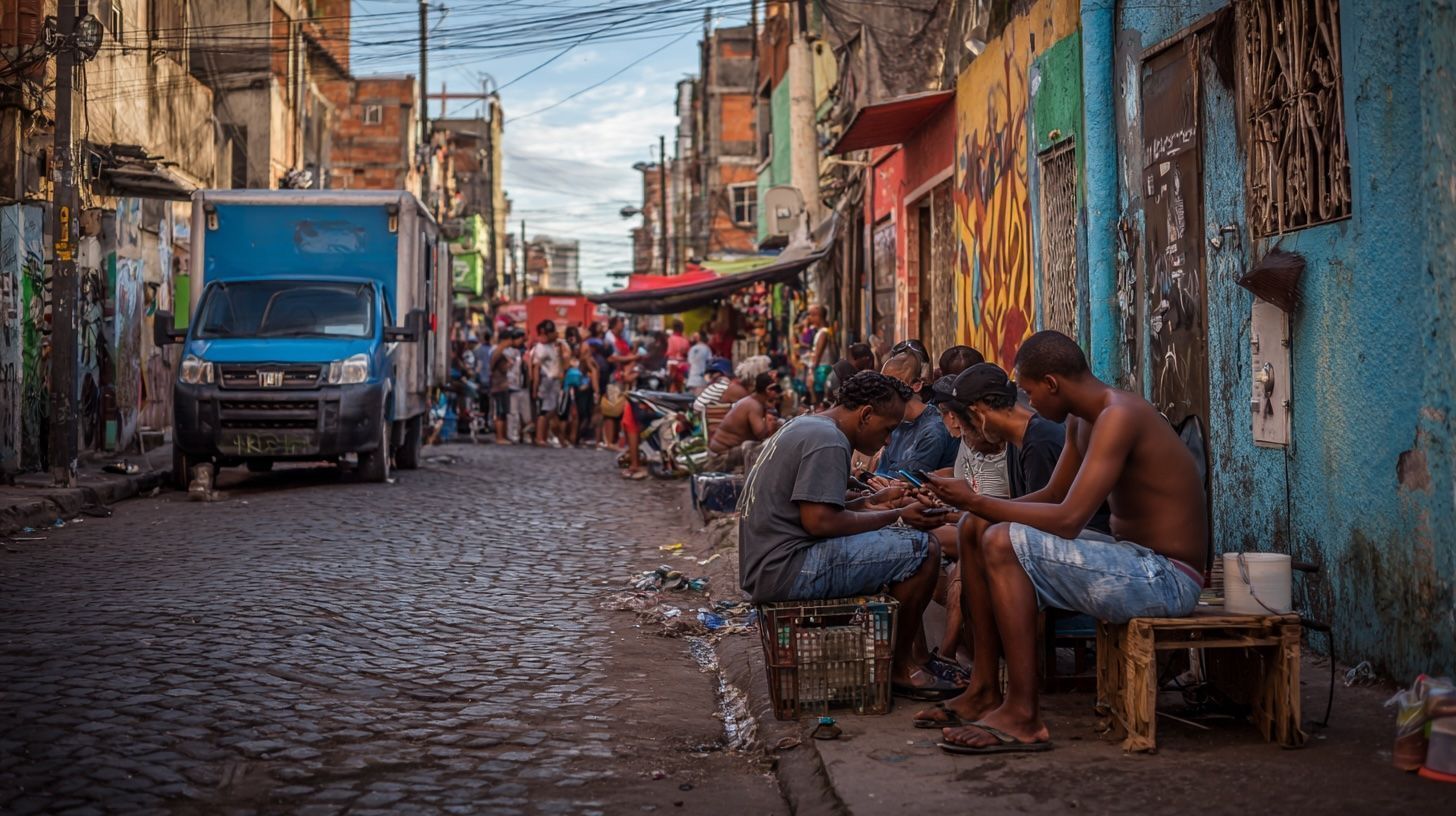
Brazil’s Digital Divide: The Real Story Behind Internet Access and the Race to Connect Everyone

Brazil’s Digital Divide: The Real Story Behind Internet Access and the Race to Connect Everyone

As of 2023, about 88% of Brazilians aged 10 or older used the internet, equal to roughly 164 million people. In 2023, about 92.5% of Brazilian households had internet access. Regional disparities exist, with the Central-West around 91% online in 2023 while the North and Northeast hovered around 85%. Fiber-to-the-home (FTTH) has surged, and by late 2024 fiber accounted for…
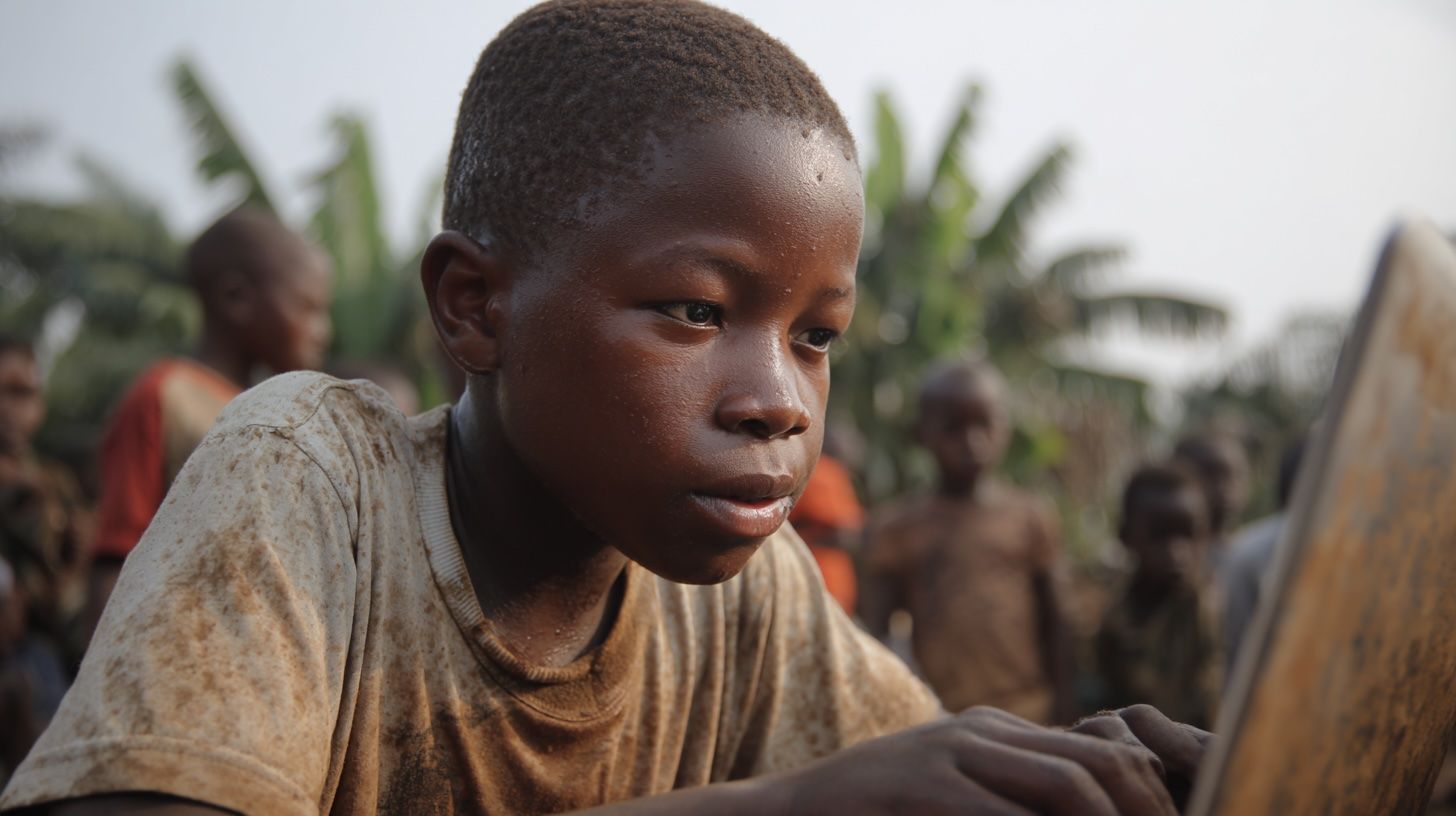
Connecting the Unconnected: The State of Internet Access in the Central African Republic

Connecting the Unconnected: The State of Internet Access in the Central African Republic

As of January 2024, CAR had 616,600 internet users, 10.6% internet penetration, and about 89% of the population remained offline. In 2024 there were 1.86 million active cellular mobile connections, equating to a 32.0% mobile penetration. About 56% of Central Africans live in rural areas, with only around 14% of households having electricity. The Central African Backbone fiber project delivered…
Maldives’ Internet Revolution: From Remote Atolls to a 5G-Powered Paradise

Maldives’ Internet Revolution: From Remote Atolls to a 5G-Powered Paradise

Dhiraagu (Dhivehi Raajjeyge Gulhun) was established in 1988 as the Maldives’ first telecom operator and former state monopoly. By 2000, basic telephone service had reached all inhabited islands and dial-up internet was available nationwide. In 2003 Focus Infocom received a second ISP license, and in 2005 Wataniya (Ooredoo Maldives) entered mobile service, ending Dhiraagu’s 17‑year monopoly. The Maldives’ telecom market…
Thailand’s High-Speed Internet Revolution: 5G, Fiber, and the Battle to Bridge the Digital Divide

Thailand’s High-Speed Internet Revolution: 5G, Fiber, and the Battle to Bridge the Digital Divide

Thailand connected to the international Internet in the late 1980s and moved to full TCP/IP by 1992. In 2004, unmetered flat-rate broadband plans were introduced, spurring rapid broadband growth from 2005 onward. The Net Pracharat Village Broadband Internet project extends high-speed internet to over 75,000 villages. Thailand’s fixed broadband ranking rose from 34th in 2018 to 11th fastest globally by…
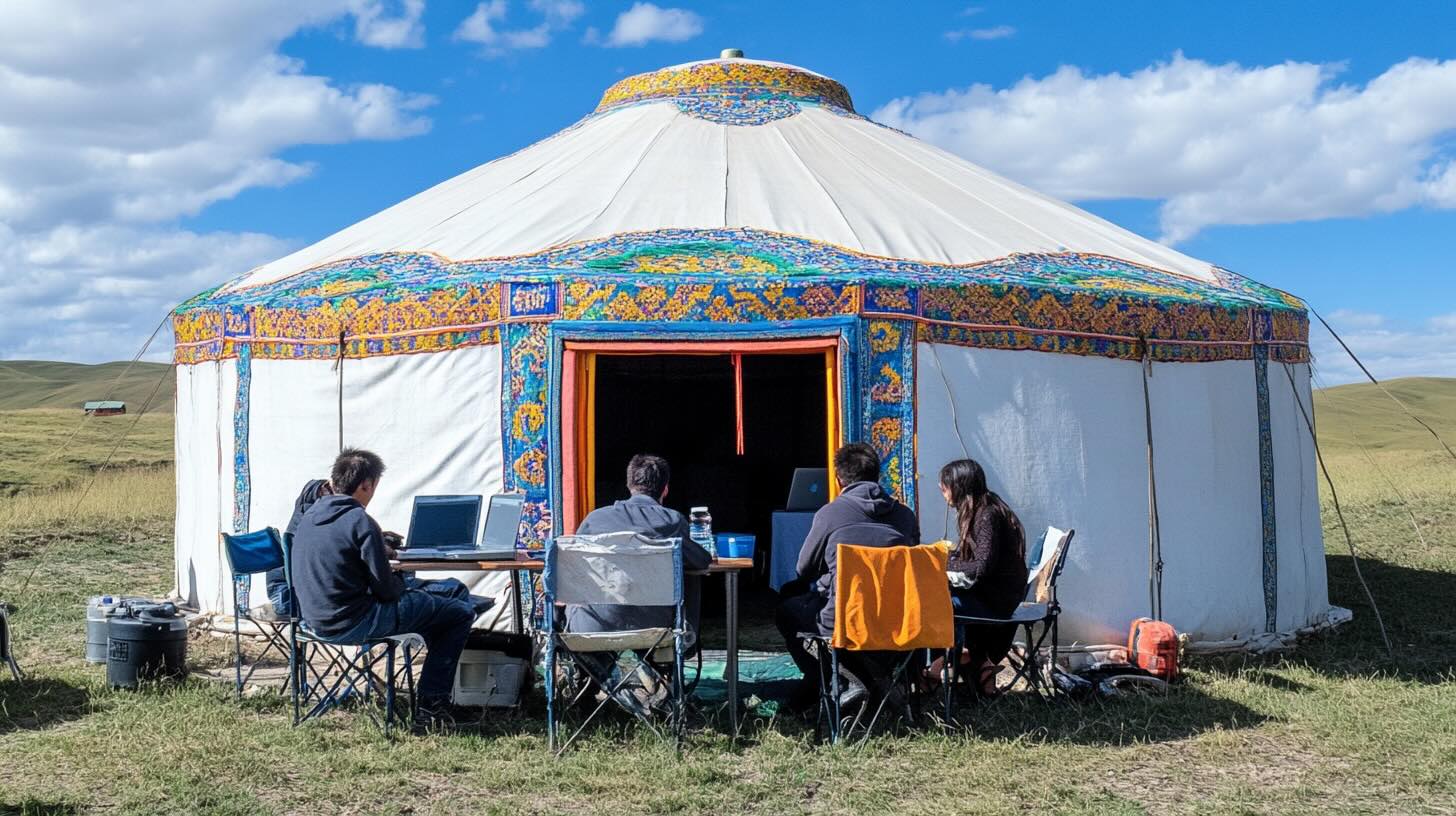
From Yurts to YouTube: Inside Mongolia’s Internet Revolution

From Yurts to YouTube: Inside Mongolia’s Internet Revolution

Univision LLC leads Mongolia’s internet market with about 62% market share and is part of the Unitel group, offering fiber-optic broadband and IPTV. MobiCom Corporation (including Mobinet) is the second-largest ISP with roughly 15% market share, and operates both mobile networks and internet services. Skymedia Corporation holds around 10% of the ISP market and Mobinet LLC about 3%, with smaller…
Internet Access in Kiribati: Bridging the Digital Divide Across Remote Pacific Islands

Internet Access in Kiribati: Bridging the Digital Divide Across Remote Pacific Islands

Kiribati comprises 33 atolls spread across 3.5 million square kilometers of ocean. As of January 2024, there were about 73,300 internet users, representing 54.4% of the population. In early 2024, there were about 69,200 mobile cellular connections, equal to 51.4% of the population. All international and inter-island connectivity currently depends on satellite links, and Kiribati has no submarine fiber cable.…

Stock Market Today

  • Budget 2026 Stock Market Outlook: Sensex and Nifty's Mixed Historical Reactions
    January 31, 2026, 10:16 AM EST. The Indian stock markets show mixed responses on Union Budget days, with Sensex and Nifty often reacting unpredictably. Growth-focused Budgets with infrastructure spending and tax stability, such as in 2017 and 2021, triggered notable gains-Sensex rose up to 2% and Nifty close to 2.7%. Budgets with surprise tax hikes, like in 2016 and 2018, led to immediate declines and volatility. Recent Budgets, including 2023 and July 2024, saw cautious or flat market responses despite fiscal discipline, as unexpected tax measures dampened sentiment. Historical data underscores that Budget Day gains or losses do not necessarily predict medium-term market trends, which can rally or correct after initial reactions.
Go toTop