Browse Category

Regulations News 23 July 2025 - 13 August 2025

Drone Laws in Copenhagen: Everything You Need to Know Before You Fly

Drone Laws in Copenhagen: Everything You Need to Know Before You Fly

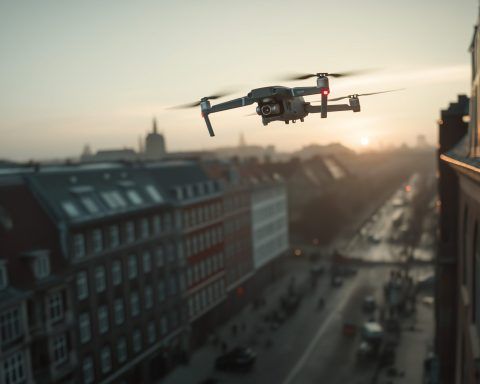
Since December 31, 2020, EU drone regulations governing Open, Specific and Certified categories apply in Denmark, with a 120-meter altitude limit in the Open category. Registration requires most operators to register with Trafikstyrelsen, and drones weighing 250 grams or heavier, or any drone with a camera, must display a visible Operator ID on the drone, with one registration covering all…

13 August 2025
Cape Town Drone Laws 2025: Ultimate Guide to Safe Flying, No-Fly Zones, and Avoiding Hefty Fines

Cape Town Drone Laws 2025: Ultimate Guide to Safe Flying, No-Fly Zones, and Avoiding Hefty Fines

On 1 July 2015, SACAA implemented Part 101, introducing licensing, drone registration, operating certificates, and safety restrictions for drones nationwide. Drones are illegal to fly within 10 kilometers of airports, helipads, or airfields without written SACAA authorization and ATC coordination. The general altitude limit is 120 meters (400 feet) above ground level, with hobby drones often advised to stay around…
12 August 2025
Helsinki Drone Laws 2025: Ultimate Guide to Rules, Permits & No-Fly Zones

Helsinki Drone Laws 2025: Ultimate Guide to Rules, Permits & No-Fly Zones

Finland adopted EU-wide EASA open category rules in 2021, applying them to Helsinki drone pilots. Recreational pilots must maintain visual line of sight (VLOS) at all times, with brief overflight of a person allowed only for sub-250g drones. The open category altitude limit is 120 meters above ground, with higher flights requiring Traficom permission. Drones over 25 kg are not…
10 August 2025
Israel’s Drone Laws in 2025 – Ultimate Guide to Regulations, Permits & No-Fly Zones

Israel’s Drone Laws in 2025 – Ultimate Guide to Regulations, Permits & No-Fly Zones

Recreational Drone Operator License is required for hobbyists in Israel, often called a “matayesen” or UAS operator certificate, with applicants as young as 12 and an online theory exam, and minors under 16 must fly under adult supervision. Drones over 250 grams must be registered with the Civil Aviation Authority of Israel (CAAI) in the online registry, carry an owner…
9 August 2025
Belgium’s Drone Laws Revealed: 12 Essential Facts You Must Know (2025 Update)

Belgium’s Drone Laws Revealed: 12 Essential Facts You Must Know (2025 Update)

Belgium has operated under the EU Drone Regulation since December 31, 2020, aligning national rules with the European Union Aviation Safety Agency (EASA). Enforcement is conducted by the Belgian Civil Aviation Authority (BCAA), part of the FPS Mobility and Transport (Federal Public Service Mobility and Transport). Drones are categorized by Open, Specific, and Certified categories, with the Open category limited…
8 August 2025
Drone Laws in Prague 2025: The Ultimate Guide to Safe & Legal Flying

Drone Laws in Prague 2025: The Ultimate Guide to Safe & Legal Flying

The EU drone rules classify operations into Open, Specific, and Certified, with Open further divided into A1, A2, and A3 subcategories. In Prague, almost all areas lie within restricted airspace LKR9, requiring Specific category authorization for most flights. Prague Castle, Charles Bridge, and the downtown area fall under the no-fly LKP1 zone, with no drones allowed there unless extreme government…
6 August 2025
Drone Laws in the Maldives (2025 Update)

Drone Laws in the Maldives (2025 Update)

Drone use in the Maldives is allowed only on a case-by-case basis under strict regulations, with no casual recreational flights. The maximum permitted altitude is 120 meters (about 400 feet) and drones must yield to manned aircraft, with night flying prohibited. There is no mandatory local drone pilot license for hobbyists, and no mandatory insurance, though foreign visitors may be…
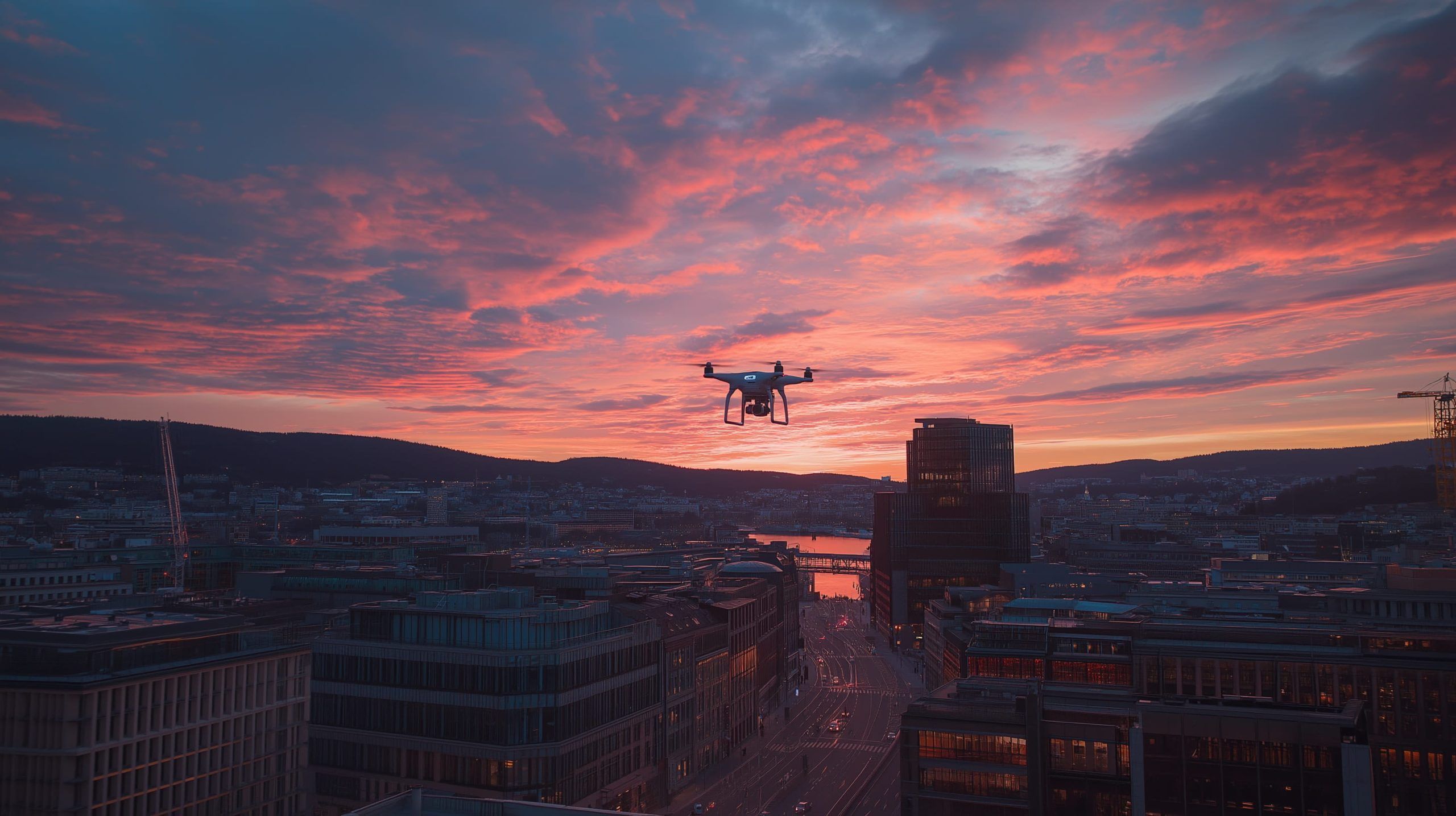
Don’t Fly Your Drone in Oslo Until You Read This: 2025 Guide to Norway’s Drone Laws

Don’t Fly Your Drone in Oslo Until You Read This: 2025 Guide to Norway’s Drone Laws

Norway adopted EASA’s unified drone rules in 2021, aligning Oslo’s laws with the EU Open, Specific, and Certified framework. Drone operators must register to obtain a unique operator ID; EU/EEA citizens register in their home country and do not need a separate Norwegian registration, while non-EU travelers must register in Norway or another EASA country via Flydrone.no. Third-party liability insurance…
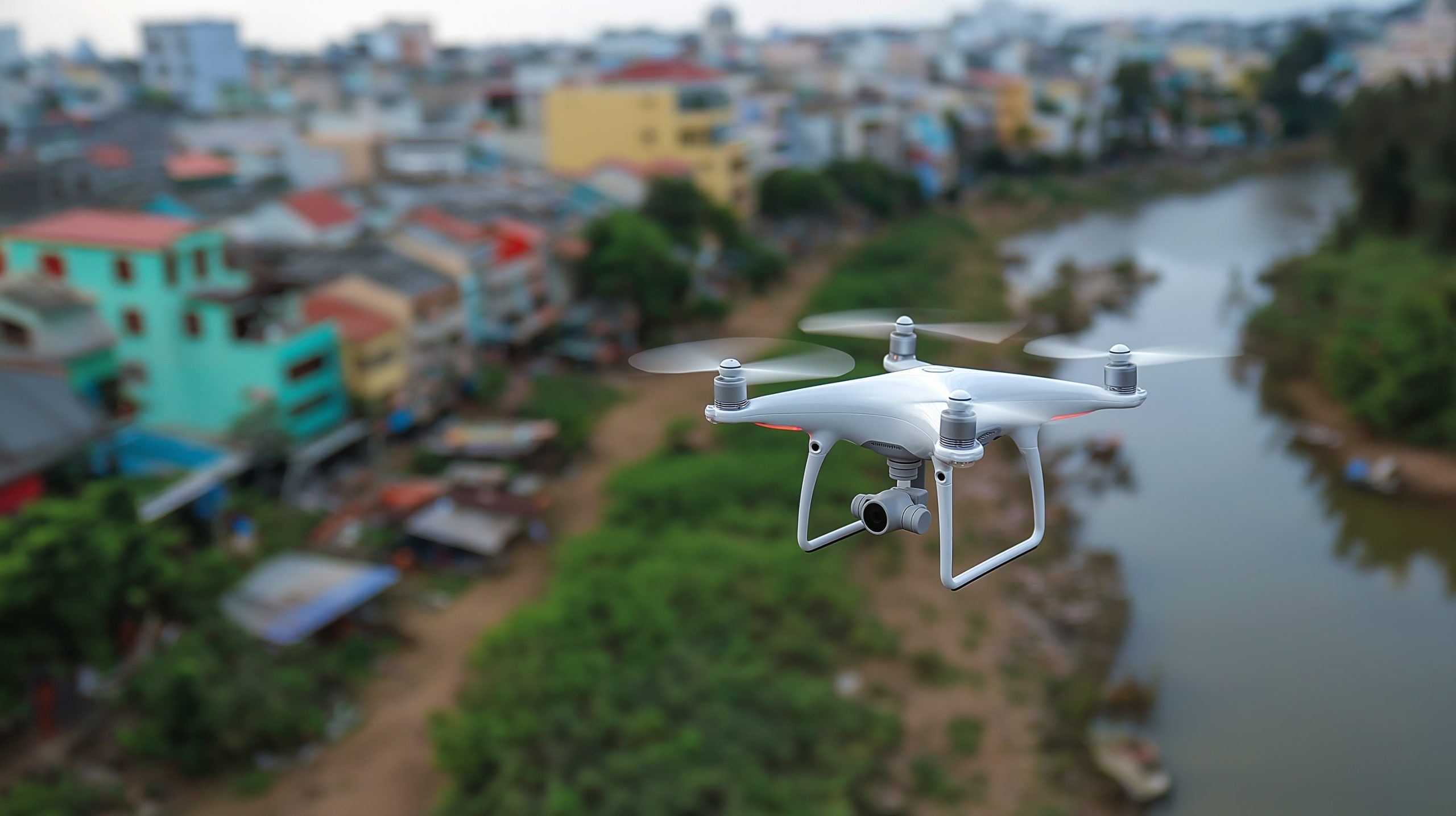
Vietnam’s 2025 Drone Law Overhaul: Ultimate Guide to New Rules, Permits & No-Fly Zones

Vietnam’s 2025 Drone Law Overhaul: Ultimate Guide to New Rules, Permits & No-Fly Zones

As of mid-2025, Vietnam allows drones under 250 grams flown purely for fun without a permit, such as the DJI Mini series. All drone flights require a flight permit issued by the Ministry of National Defense, specifically the Department of Operations, with applications due at least 7 working days before the flight date. Vietnam does not require a general drone…
31 July 2025
Egypt’s Drone Laws Exposed: The 2025 Guide to Permits, No-Fly Zones, and Penalties

Egypt’s Drone Laws Exposed: The 2025 Guide to Permits, No-Fly Zones, and Penalties

Under Law 216 of 2017, Egypt requires a Defense Ministry permit to own or operate a drone, effectively banning recreational use without authorization. Importing or bringing a drone into Egypt without prior approval is illegal, and customs routinely confiscate unapproved drones on entry. Only the smallest “toy” drones are exempt from permits, defined as ≤150 grams, no GPS, range ≤100…

Stock Market Today

  • PhonePe Receives SEBI Approval for IPO, Aims to Raise ₹12,000 Crore
    January 21, 2026, 5:20 AM EST. PhonePe, a major player in India's digital payments space, has secured approval from SEBI to launch its initial public offering (IPO), targeting about ₹12,000 crore ($1.5 billion). The company plans a valuation near $15 billion as it moves from a private fintech to a public entity. PhonePe dominates nearly half of India's UPI (Unified Payments Interface) transaction volumes but faces growth limits due to regulatory caps on UPI market share. Its business model extends beyond payments, generating revenue from payment processing, advertising, merchant devices, and bill payments. The fast-growing financial services segment includes insurance broker commissions, lending fees, and wealth product distribution, signaling diversification beyond core payments to fuel future expansion.
Go toTop