
New York, June 23, 2026, 05:04 EDT
- Intel dropped about 8% in premarket trade on Tuesday. Shares closed Monday at $140.94, up 5.19%.
- Nasdaq 100 futures dropped 2.25% early Tuesday. Investors are watching rate risks and concerns about debt-fueled AI spending.
- Apple, Google, and bets on Nvidia’s foundry push have fueled the surge. But analysts are still divided over the revenue upside.
Intel (INTC) shares slid in early U.S. premarket hours Tuesday after a run that lifted the company past $700 billion in market cap on Monday. The stock ended Monday at $140.94, up 5.19%, but premarket quotes ranged from $129.10 to $129.51, off about 8%.
Intel is under pressure as investors look to see if Chief Executive Lip-Bu Tan can convert political backing and foundry excitement into real business. A foundry is a contract chipmaker that produces chips for other firms.
Nasdaq opens for regular trading at 9:30 a.m. EDT, after premarket sessions that go from 4 a.m. to 9:30 a.m. The Nasdaq 2026 holiday schedule lists Juneteenth on June 19 as the last closure, not Tuesday. Thinner trading in premarket hours sometimes leads to bigger price swings.
Intel wasn’t the only one trading lower. Nasdaq 100 futures slid 2.25% as of 03:33 a.m. ET, with S&P 500 futures off 1.34% and Dow futures losing 0.71%. According to Reuters, investors weighed new bets on Federal Reserve rate hikes and looked at the debt fueling corporate AI spending.
Intel finished Monday with a market cap near $708 billion. Volume was high, with more than 127 million shares changing hands. Shares hit $141.45 during the session, a 52-week high.
Intel got another lift after a streak of manufacturing news centered on the U.S. The Wall Street Journal reported last week that Intel shares climbed when President Donald Trump said Apple would team up with Intel to design and make chips in the U.S., pitching it as Washington backing Intel’s turnaround plan.
Intel is “gaining real traction with tier-one customers,” Tigress Financial Partners’ Ivan Feinseth told MarketWatch after Trump’s comments. Intel CEO Tan, speaking on a T. Rowe Price podcast, said the White House had been “a good cheerleader and supportive,” MarketWatch reported. MarketWatch
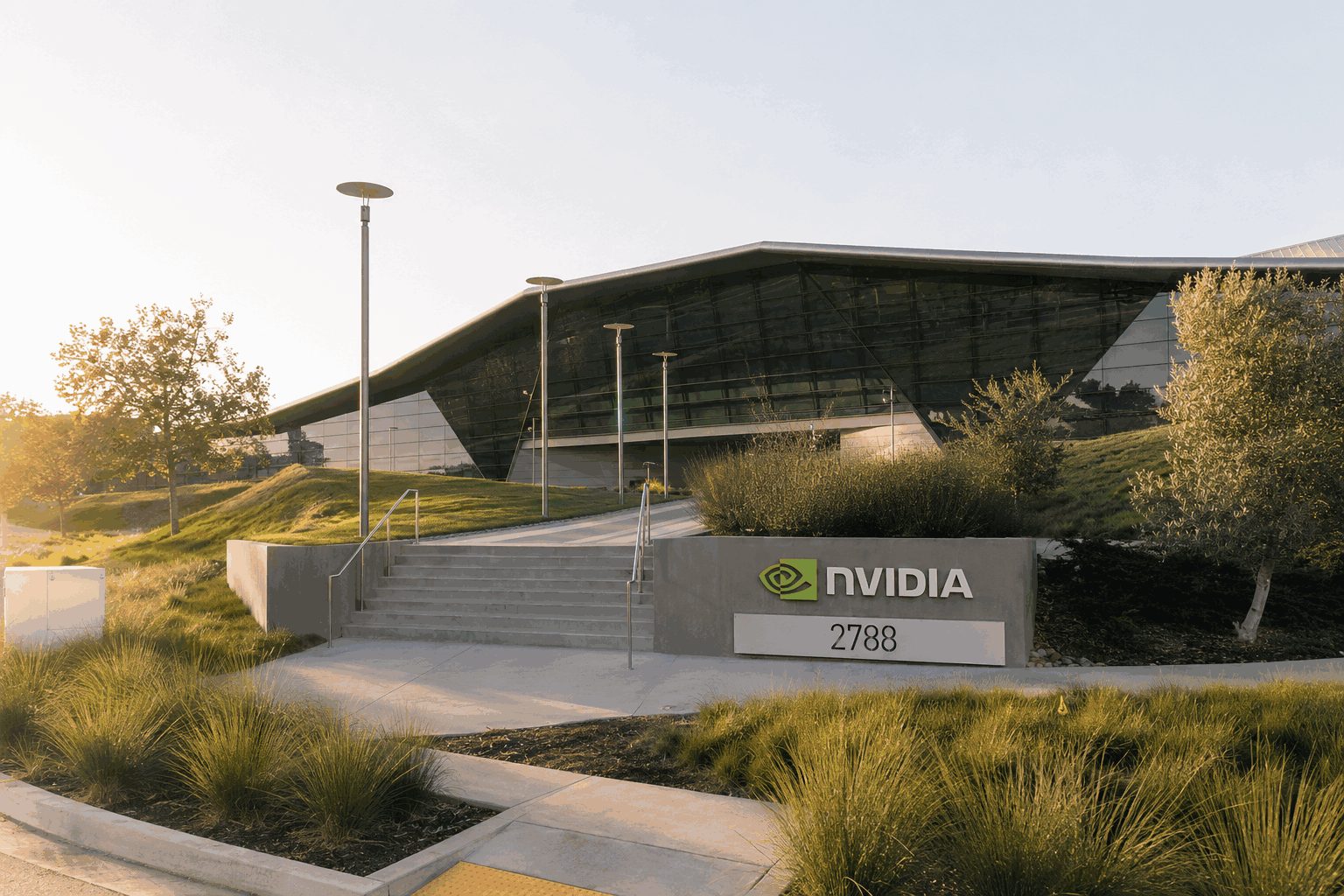
Reuters said this month that Alphabet’s Google ordered over 3 million tensor processing units—Google’s own AI chips—from Intel for 2028, citing The Information. Reuters also said Nvidia is looking at whether Intel’s tech could be used to make a chip with four graphics processors, but as of now there’s no order.
Supply-chain concerns got more attention. Jacob Bourne, technology analyst at eMarketer, told Reuters the moves show big AI players want to branch out from a supply chain still tied up at Taiwan Semiconductor Manufacturing Co.
Intel is making moves to prove its foundry strategy is real. Last week, the company tapped Seok-Hee Lee as executive vice president of Intel Foundry. He’s set to head up advanced packaging, system integration, and back-end manufacturing. Advanced packaging pieces together chips and memory to improve both speed and power.
Stock gains have moved ahead of some reported business. Deepwater Asset Management’s Gene Munster told CNBC the rally tied to Apple was too much for Intel, Benzinga reported. Wedbush’s Matt Bryson said AMD is still stronger in server chips and that TSMC leads in contract manufacturing.
This is the risk for investors. If Apple work begins with low-volume chips, or if plans at Google or Nvidia stall, or if Intel’s new manufacturing runs don’t hit yield targets, then the market might have gotten ahead of itself.
Mizuho bumped its Intel price target up to $135 from $128, sticking with its Neutral rating and pointing to possible upside in advanced packaging. The new price target came in under where shares closed Monday but ahead of early Tuesday premarket levels, showing the stock’s recent jump.
Tuesday’s regular session is set to show if buyers use the early drop as a buying chance or see it as the warning of steeper declines. Right now, Intel is caught between three overlapping themes: U.S. industrial policy, the push to broaden the AI supply chain, and a sharper debate over whether its valuation still makes sense.
Related articles: NASDAQ:INTC