
- Citi says it aims to launch institutional crypto custody in 2026 after 2–3 years of development; exec Biswarup Chatterjee told CNBC they hope to come to market with a “credible custody solution” in the next few quarters. CoinDesk
- JPMorgan says clients will be able to trade Bitcoin and other crypto, but custody is “not on the near‑term horizon,” per Scott Lucas in a CNBC appearance reported today; the bank will lean on third‑party custodians. Cointelegraph
- Live market snapshot (approx. 12:08 UTC): BTC $111,114, ETH $3,951, Citigroup (C) $96.10, JPMorgan (JPM) $307.97, Coinbase (COIN) $356.99.
- U.S. policy tailwind: the GENIUS Act (signed July 18, 2025) created the first federal framework for payment stablecoins, catalyzing bank activity in tokenization and custody.
- ETF flows & volatility: Despite the tariff‑driven selloff, BlackRock’s IBIT notched 10 straight days of inflows through today.
- Fresh today: UK’s FCA proposed tokenized investment funds (including support for public chains under safeguards). Kenya passed a VASP law cementing rules for crypto exchanges and stablecoins.
- Context you should know: JPMorgan is piloting a USD deposit token (JPMD) on Base for 24/7 on‑chain settlement—distinct from stablecoins and aligned with its choice to outsource custody.
What happened in the last 48 hours
Two of America’s biggest banks clarified their digital‑asset roadmaps. Citi said it is on track to offer crypto custody in 2026 for asset managers and other institutional clients. “We’re hoping that in the next few quarters, we can come to market with a credible custody solution,” said Biswarup Chatterjee, Citi’s global head of partnerships and innovation, in remarks first reported by CNBC and summarized by CoinDesk. CoinDesk
JPMorgan separately confirmed it will let clients trade Bitcoin and crypto, while eschewing in‑house custody for now. “We’re going to be involved in the trading of that, but custody is not on the table at the moment,” said Scott Lucas, the bank’s global head of markets digital assets, on CNBC (as relayed by Cointelegraph). Cointelegraph
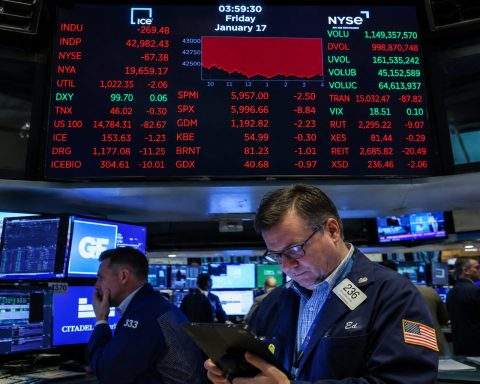
Markets were choppy into the headlines: Bitcoin and majors faded on renewed U.S.–China trade tensions, even as spot‑ETF demand persisted.
Why banks are moving now: regulation, rails, and demand
Three structural shifts have lowered the barrier for the largest banks:
- Stablecoin law: The GENIUS Act provides a national chartering regime and reserve rules for U.S. payment stablecoins, clarifying who can issue and how reserves must be held. Legal analyses highlight OCC supervision for permitted issuers and priority treatment for holders in insolvency.
- ETF mainstreaming: U.S. spot Bitcoin ETFs continue to attract assets even during drawdowns—IBIT posted $134M of net inflows over the last two sessions and has seen 10 consecutive inflow days. That creates steady institutional demand for secure back‑end services (trading, collateral, custody).
- Tokenization goes policy‑grade: Today the UK FCA proposed enabling tokenized funds (including use of public chains with safeguards), and State Street’s new research shows institutions plan to double digital‑asset exposure within three years—starting with tokenized private markets.
Citi’s path: regulated custody first, with an eye on stablecoins
Citi’s custody program has been in the works 2–3 years and will blend in‑house tech with third‑party tools—an approach that spreads operational risk across asset types and tech stacks. The bank has also evaluated issuing a stablecoin, though tokenized deposits are a nearer‑term focus, per CEO Jane Fraser and subsequent reporting. Citi Ventures underscored the direction last week by investing in BVNK, a stablecoin‑payments infrastructure firm (Visa invested earlier this year).
What it means: Citi is positioning for institutional-grade safekeeping of both native crypto and the high‑quality reserves behind regulated stablecoins—exactly the market the GENIUS Act created. Reuters reporting in August flagged Citi’s exploration of custody for stablecoin reserves (e.g., cash and Treasurys) and for assets behind crypto ETFs—an adjacent profit pool.
JPMorgan’s route: trade it, but don’t hold it (yet)
JPMorgan will provide client trading access while relying on external custodians—consistent with its broader strategy to modernize payments using deposit tokens rather than public stablecoins. The bank’s JPMD pilot on Base (an Ethereum L2) aims at 24/7 on‑chain settlement for institutions and is expressly “not a stablecoin”—it represents bank deposits under JPM’s control. CoinDesk+1
The stance also aligns with CEO Jamie Dimon’s earlier remark to clients about Bitcoin—“Go at it”—while maintaining the bank’s historic skepticism on custody risk. Investopedia
The custody competitive field banks are entering
Crypto‑native firms still dominate ETF custody. Coinbase disclosed it custodies 80%+ of U.S. BTC/ETH ETF assets as of Q2, and Fidelity retains meaningful share via Fidelity Digital Assets. A fast‑follower bank will need years of controlled migrations, integrations, and audits to win mandates from asset managers.
That hasn’t stopped traditional giants from building. BNY Mellon is testing tokenized deposits for $2.5T in daily flows; State Street says institutions expect tokenization to accelerate allocations; multiple European and U.S. banks are exploring G7‑pegged stablecoins.
Global policy watch (today & recent days)
- UK FCA: blueprint to tokenize funds, with optional use of public blockchains if data‑privacy and network‑risk controls are in place.
- Kenya: VASP bill passed parliament, formalizing licensing for crypto and stablecoin issuers—another regulatory beachhead in Africa.
- U.S. Senate: market‑structure bill negotiations are tense; the stablecoin law (GENIUS) is already in force, but broader trading‑rules legislation faces partisan friction.
Market picture right now
- Prices: BTC $111,114; ETH $3,951 (24h down as the tariff scare lingers). C $96.10, JPM $307.97, COIN $356.99.
- Flows/positioning: Despite weakness, IBIT net inflows continue; crypto‑exposed equities sold off today, per Barron’s.
- Sentiment: Some analysts argue last week’s $16–$19B long‑liquidation washout resets leverage—a setup that has preceded recoveries in prior cycles.
Expert voices
- Citi’s Biswarup Chatterjee: “We’re hoping that in the next few quarters, we can come to market with a credible custody solution.” CoinDesk
- JPMorgan’s Scott Lucas: “We’re going to be involved in the trading of that, but custody is not on the table at the moment.” Cointelegraph
- Hargreaves Lansdown (UK platform) on retail exposure: Bitcoin “has no intrinsic value” and is “not an asset class,” even as the FCA relaxes access. Financial Times
What TS2.tech is saying
- Bitcoin cycle: TS2 highlighted Uptober highs near $125K earlier this month and summarized selloffs as part of a still‑bullish 2025 trajectory.
- Stablecoins: TS2 notes Tether (USDT) around $170B market cap and a >50% market share in 2025; context for why banks see opportunity in regulated alternatives.
- Institutional forecasts: TS2 has aggregated bullish bank targets for BTC into year‑end, reflecting how Wall Street research frames Bitcoin as “digital gold.” (Use for sentiment, not investment advice.) TechStock²
Implications & forecast
For banks
- Citi: Custody by 2026 places Citi in the infrastructure lane—safekeeping native crypto, ETF underlyings, and (potentially) stablecoin reserves. Expect a hybrid build/partner model with rigorous MPC/HSM key management and SOC‑audited controls. Near‑term milestones: service descriptions, pilot client cohorts, and OCC/NYDFS comfort letters.
- JPMorgan: Trading access sooner, custody later (if at all). JPM is likely to route flows through regulated venues and external custodians while scaling its JPMD rails for on‑chain collateral and 24/7 settlements—useful for repo, tokenized funds, and cross‑border payments.
For crypto‑native firms
- Custody concentration (Coinbase/Fidelity) remains a moat, but RFPs will increase as banks enter—particularly for ETF underlyings, tokenized fund assets, and stablecoin reserves under GENIUS.
Macro/market outlook (next 3–6 months)
Base case (45%): Bitcoin oscillates $95K–$130K as ETF inflows offset macro shocks; banks drip‑feed announcements (partnerships, pilots). ETH tracks $3.6K–$4.8K; custody and tokenization headlines accumulate (UK fund tokenization guidance, more deposit‑token pilots). CoinDesk+1
Upside (30%): Easing tariffs, stronger ETF demand, and policy wins (e.g., clarifications around bank‑handled stablecoins) push BTC back to ATH zone; custody providers benefit from new mandates. CoinDesk
Downside (25%): Escalating trade conflict or a high‑profile failure in a stablecoin or exchange triggers de‑risking to $80K–$90K BTC; banks remain active but delay consumer‑facing features. Recent long liquidations show how quickly leverage can unravel.
What to watch next
- Citi disclosures: client types, supported chains (native BTC/ETH first?), insurance, and segregation models for cold vs warm storage.
- JPMorgan counterparties: which third‑party custodians it selects for trading access (obvious candidates: Coinbase Custody, Fidelity).
- Stablecoin commercialization: bank‑issued or bank‑sponsored alternatives moving from pilot to production under GENIUS; watch joint G7‑pegged stablecoin experiments by large banks.
- UK tokenized‑fund rules moving from proposal to implementation (pipeline for asset managers).
Sources & further reading
- Citi custody & strategy: CoinDesk recap of CNBC interview; Citi/BVNK investment notes; Reuters on stablecoin/custody exploration.
- JPMorgan trading & no‑custody stance: Cointelegraph cites CNBC interview; JPM’s JPMD deposit‑token pilot on Base.
- Policy/regulation: GENIUS Act (White House & law‑firm explainers), U.S. market‑structure bill dynamics, Kenya VASP law.
- Flows/markets: BlackRock IBIT inflows; tariff‑driven selloff coverage.
- Tokenization/global finance: UK FCA tokenized funds proposal; State Street adoption study; BNY Mellon tokenized deposits.
- TS2.tech (additional color and sentiment): recent features on Bitcoin’s run, stablecoins, and big‑bank forecasts.
Note: Yahoo Finance and Bitcoin Magazine also reported these developments today; see Yahoo’s “Citi announces crypto custody in 2026, JPMorgan stays…” and Bitcoin Magazine’s coverage of JPMorgan’s client trading confirmation. Yahoo Finance+1
This report is for a public audience and not investment advice. Crypto assets are volatile. The quotes above are from on‑the‑record interviews or official publications; where a primary source (e.g., CNBC) blocks automated access, we cite reputable secondary outlets that relayed the statements in full.
If you’d like, I can tailor a follow‑up note with scenario tables, custody vendor comparisons, or a timeline tracker for Citi/JPM milestones and regulatory deadlines.
Related articles: NYSE:C