
Key facts (Nov 5, 2025):
- Deal: Sunotec signed a five‑year cross‑border spread hedge with Shell Energy Europe covering a 600+ MWh battery energy storage (BESS) project in Bulgaria. The structure is designed to stabilize revenues by hedging the spread between coupled power markets.
- Why it matters: Among the first transactions of its kind in Central & Eastern Europe, the hedge is intended to improve bankability and de‑risk project cash flows ahead of commercial operations targeted for Q2 2026.
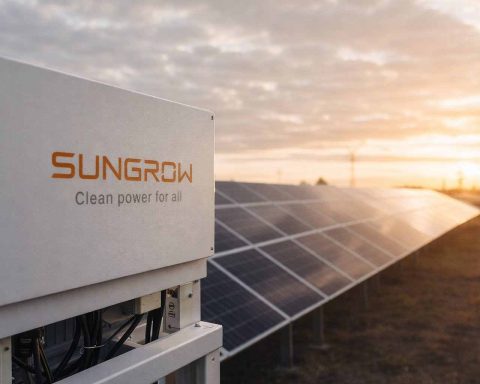
- Supply chain: In a parallel move, Sunotec and Sungrow signed a 2.4 GWh BESS supply agreement for projects across Southeast Europe, with Sungrow’s PowerTitan 2.0 platform slated for deployment.
- Policy backdrop: Bulgaria’s RESTORE program awarded subsidies to 82 storage projects totaling ~9.7 GWh, and a second round (RESTORE 2) is consulting on an additional 1.9 GWh — a pipeline that supports near‑term grid‑scale storage build‑out.
- Stocks today:Shell NYSE:SHEL traded around $73.74 (-0.9%) late morning UTC; Sungrow (300274.SZ) hovered near ¥200.5, close to a 52‑week high. (Live quotes: Reuters.)
What happened — and why now
On Nov. 4, Sunotec announced a cross‑border spread hedge with Shell Energy Europe for its Bulgarian 600+ MWh BESS. The arrangement, facilitated by Enery Portfolio Optimisation, gives the project long‑term price certainty by locking in revenues against market spreads between bidding zones. Sunotec says the facility is already under development and aims to reach COD in Q2 2026.
A spread hedge manages the difference between prices in two connected wholesale electricity markets (or zones). In Europe’s coupled power system, such hedges are a recognized way to tame basis risk stemming from cross‑border congestion and volatile hourly spreads—risks that batteries can monetize but that financiers still prefer to cap.
The transaction is notable not only for its CEE “first‑mover” status but also because it blends merchant storage economics with a capital‑markets hedge that lenders understand—much like PPAs helped wind and solar scale a decade ago. Independent trade and policy analysis has highlighted how price‑spread volatility and rising renewable penetration make storage revenues increasingly spread‑driven, reinforcing the role of financial hedges. Goldman Sachs
The parallel supply push: 2.4 GWh from Sungrow
In a separate release posted this week, Sunotec and Sungrow confirmed a 2.4 GWh BESS supply framework for projects across Bulgaria and wider Southeast Europe. Sungrow plans to supply its PowerTitan 2.0 system; Sunotec called the collaboration part of its strategy to build flexible, storage‑enabled infrastructure across the region. The companies say some assets will align with Bulgaria’s RESTORE support scheme.
“The global energy transition depends not only on how much renewable power we produce, but on how intelligently we manage and store it,” said Kaloyan Velichkov, Sunotec’s founder and CEO. Mynewsdesk
Sungrow’s regional director Anastasios Gkinis framed the deal as a “cornerstone of our mission to accelerate clean energy deployment in Bulgaria and across Europe.” Mynewsdesk
Why Bulgaria? Policy tailwinds and negative‑price days
Bulgaria has quietly assembled one of the EU’s most ambitious storage support packages:
- RESTORE (Round 1):82 standalone projects awarded BGN 1.15 billion (~€588m), totaling ~9.7 GWh of usable storage; support can cover up to 50% of capex.
- RESTORE 2 (Consultation):1.9 GWh more, with ≥10 MW / 2‑hour minimum specs; drafts suggest support levels up to 50% of eligible costs.
Market dynamics are pushing the same way. Industry voices have flagged surging solar output and more frequent negative daytime prices, a combination that underscores the need for fast‑response, multi‑hour batteries to arbitrage spreads and keep the grid stable.
How the hedge works for storage — in plain English
- The problem: Battery revenues swing with hour‑to‑hour price spreads (charge low, discharge high). Lenders dislike that volatility.
- The fix: A spread hedge pays (or receives) the difference between two power prices (e.g., Bulgaria vs. a neighboring zone) according to a predefined formula. Over five years, this converts a chunk of uncertain merchant revenue into a bankable cash flow, improving debt terms.
- The upside: Shell Energy Europe gains diversified exposure to CEE power spreads; Sunotec caps downside while keeping some merchant upside, depending on structure.
What the companies said
“Agreements like the one with Shell highlight SUNOTEC’s commitment to working with leading energy players,” said Sunotec CEO Kaloyan Velichkov about the hedge. Mynewsdesk
Renewables trade outlets emphasized that the deal is “one of the first” of its kind in CEE, designed to strengthen Shell Energy Europe’s regional power portfolio and secure project viability for Sunotec’s storage asset. Renewables Now+1
Stock prices & near‑term outlook
Shell plc (SHEL)
- Price (Nov 5, ~10:18 UTC):$73.74, ‑0.87% intraday (U.S. line). European lines traded around £28.53 (LSE) and €32.26 (Euronext). Q3 results (Oct 30) showed resilient earnings and ongoing $3.5bn buybacks, which typically dominate share‑price drivers more than small power‑portfolio deals.
Sungrow (300274.SZ)
- Price (Nov 5, close to session high): about ¥200.5, with a 52‑week range ¥52.98–¥203.88. The stock has rallied into late October/early November amid strong storage and inverter demand.
What to watch next (not investment advice):
- Shell (SHEL): The hedge is strategically positive for Shell’s power‑trading ambitions but immaterial to group earnings near‑term. Expect the stock to trade more on oil/LNG margins, buyback pace, and macro risk. If European power volatility persists this winter, Shell’s Integrated Power optics could benefit, but the effect on valuation is likely incremental.
- Sungrow (300274.SZ): The 2.4 GWh pipeline with Sunotec supports a European growth narrative at a time when analysts expect EU storage capacity to grow 5x by 2030—a favorable backdrop for large ESS vendors. Watch order conversion, pricing power as Chinese supply normalizes, and European permitting timelines.
The bigger picture for Southeast Europe
Grid‑scale storage is moving from pilot to portfolio status across Europe, with analysts forecasting multi‑billion‑euro opportunities anchored in wholesale arbitrage and ancillary services. As renewables share rises, hourly price spreads deepen—exactly the condition that makes spread hedges meaningful for financiers and batteries valuable for system operators.
Bulgaria’s trajectory is particularly steep: between RESTORE, a swelling developer pipeline (Sunotec alone has seven financed BESS projects totaling ~763 MWh alongside PV), and now financial innovation via spread hedging, the country is positioning storage as core grid infrastructure, not an afterthought.
Timeline & next milestones
- Hedge signed:Nov 4, 2025; tenor 5 years.
- Equipment program announced:Nov 4, 2025 (newsroom posting; agreement dated July 28, 2025).
- Bulgaria policy cadence:RESTORE Round 2 consultation underway (Aug/Sept 2025).
- Project target COD:Q2 2026.
Sources & further reading
- Hedge announcement & details: SeeNews; Renewables Now; Sunotec newsroom release; Enery Portfolio Optimisation (facilitator).
- Sungrow–Sunotec 2.4 GWh agreement: Sunotec newsroom (includes technology references and executive quotes).
- Bulgarian policy (RESTORE): Energy‑Storage.news; IEA policy tracker; PV Magazine (RESTORE 2 consultation).
- Market context (battery revenues, spreads): Goldman Sachs research explainer; CEER/ENTSO‑E guidance on forward and spread hedging.
- Stock prices: Reuters pages for SHEL (U.S./LSE/Euronext) and Sungrow (300274.SZ).
Note: This article is for general information only and is not investment advice. Prices are as of Nov 5, 2025 and may have moved since publication.
Related articles: SHE:300274.SZ