
Sunspot AR4274’s powerful eruption at 10:04 UTC on Nov. 11 caused R3 radio blackouts across parts of Africa and Europe. A fast coronal mass ejection then drove “Severe” G4 geomagnetic storm levels early Nov. 12, with additional disturbances possible through Nov. 13, forecasters say. Space+2Space Weather+2
Updated: Nov. 12, 2025
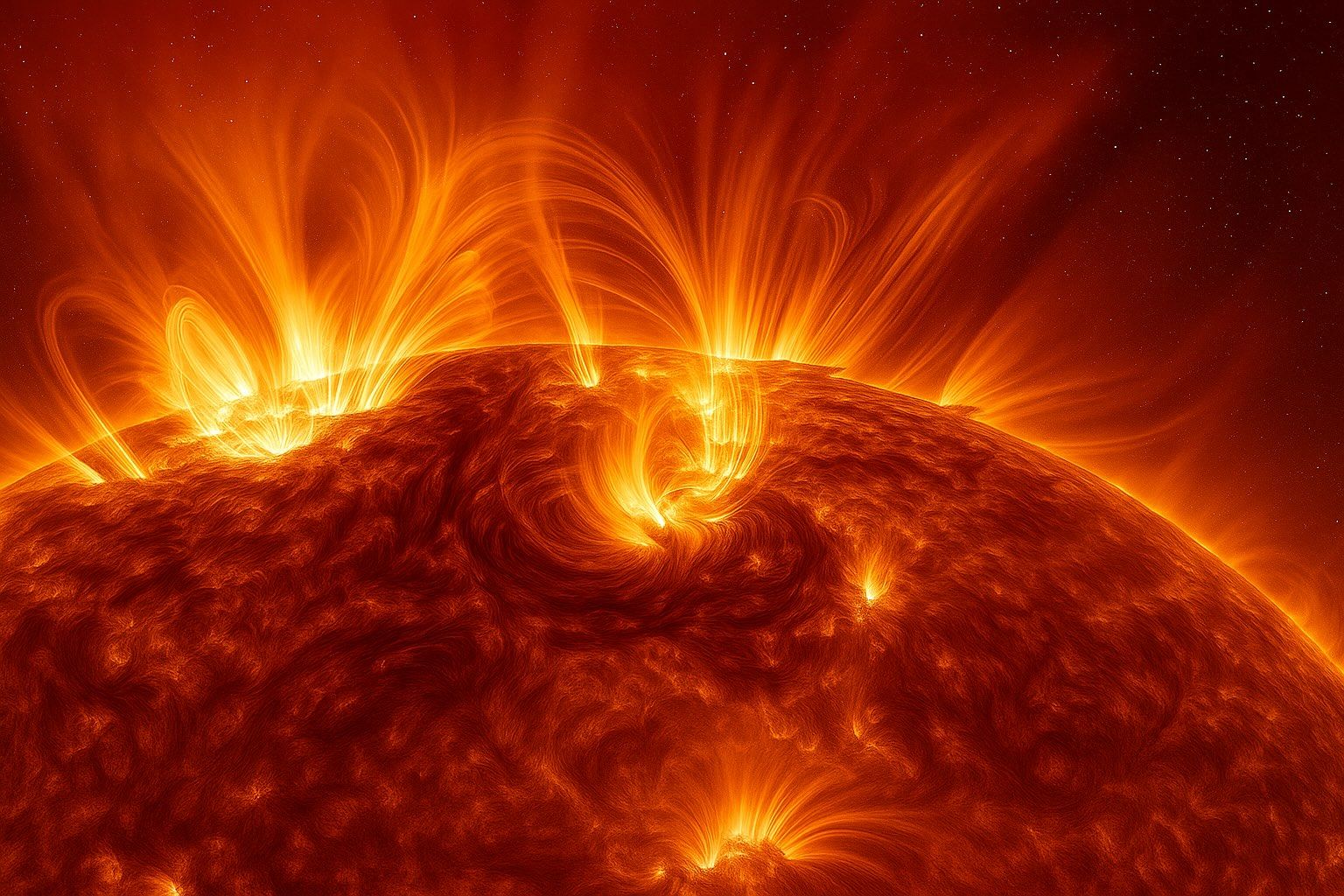
The sun unleashed an X5.1‑class solar flare on Tuesday, Nov. 11, the most powerful flare of 2025 so far and the strongest since October 2024, according to astronomers. The eruption from active region AR4274 peaked at 10:04 UTC and immediately caused R3 (Strong) high‑frequency radio blackouts on the dayside of Earth, with pronounced impacts reported over Africa and Europe.
By Tuesday night into Wednesday, NOAA’s Space Weather Prediction Center (SWPC) escalated its geomagnetic outlook: a G4 (Severe) geomagnetic storm watch for Nov. 12, bookended by a G2 (Moderate) watch on Nov. 11 and a G3 (Strong) watch on Nov. 13. Forecasters said the most recent coronal mass ejection (CME)—the fastest and most energetic of the sequence—was tied to the X5.1 flare and accompanied by a moderate S2 radiation storm. SWPC noted high confidence that part of the CME was Earth‑directed, though timing and intensity depended on conditions measured in situ by upstream spacecraft.
Early Wednesday, SWPC confirmed the event had intensified: G4 (Severe) storm levels were reached at 01:20 UTC on Nov. 12 (8:20 p.m. EST, Nov. 11), and forecasters warned that storming could continue overnight as CME effects persisted.
A hyperactive sunspot
AR4274 has been eruptive for days. Before the X5.1 blast, it produced an X1.7 flare on Nov. 9 and an X1.2 flare at 09:19 UTC on Nov. 10—the latter rated R3 (Strong) on NOAA’s radio blackout scale. With the region’s complex magnetic structure intact, SWPC said further significant flares were possible over the short term.
What R, S and G actually mean
NOAA’s space‑weather scales translate technical measurements into real‑world impacts:
- R3 (Strong) radio blackout: wide‑area HF (shortwave) communication loss for about an hour on the sunlit side; low‑frequency navigation signals can be degraded.
- S2 (Moderate) radiation storm: elevated radiation at high latitudes can affect HF communications near the poles and occasionally disrupt satellite electronics.
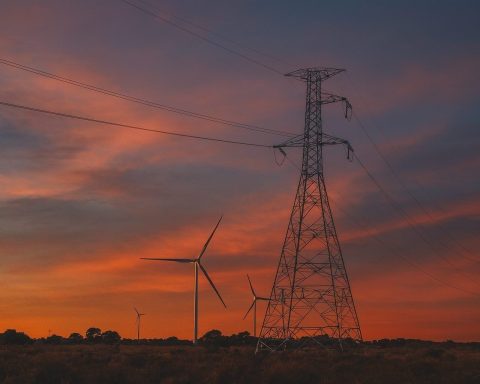
- G4 (Severe) geomagnetic storm: possible widespread voltage control problems on power grids, degraded satellite navigation for hours, and auroras expanding far equatorward (historically to ~45° geomagnetic latitude).
Who’s affected and how
During Tuesday’s flare peak, HF radio users on the dayside—especially in parts of Africa and Europe—experienced disruptions. Such blackouts can affect aviation routes, maritime communications and amateur radio. As geomagnetic storming builds, potential knock‑on effects include navigation (GPS) accuracy issues, power‑grid voltage corrections, and increased satellite drag and orientation challenges, particularly at higher latitudes.
The forecast window
NOAA’s baseline watches remain: G2 for Nov. 11, G4 for Nov. 12 and G3 for Nov. 13, reflecting uncertainty in how multiple CMEs interact as they reach Earth. SWPC stresses that the best read on storm intensity comes when the shock passes spacecraft about 1 million miles upstream, enabling timely warnings as the structure and magnetic orientation of the CME are observed.
Bottom line
- The X5.1 flare from AR4274 is the year’s strongest so far and has already produced R3 radio blackouts on the dayside, notably over Africa and Europe.
- A fast, energetic CME from the flare has pushed Earth into a G4 (Severe) geomagnetic storm, verified at 01:20 UTC on Nov. 12, with additional disturbances possible through Nov. 13. Expect heightened aurora potential and intermittent impacts to communications, navigation and some power‑grid operations.
Sources: Space.com reporting; NOAA/SWPC alerts, watches, and event summaries; and NOAA’s official space‑weather scales and impact guidance.
Related articles: Weather