Published: November 29, 2025
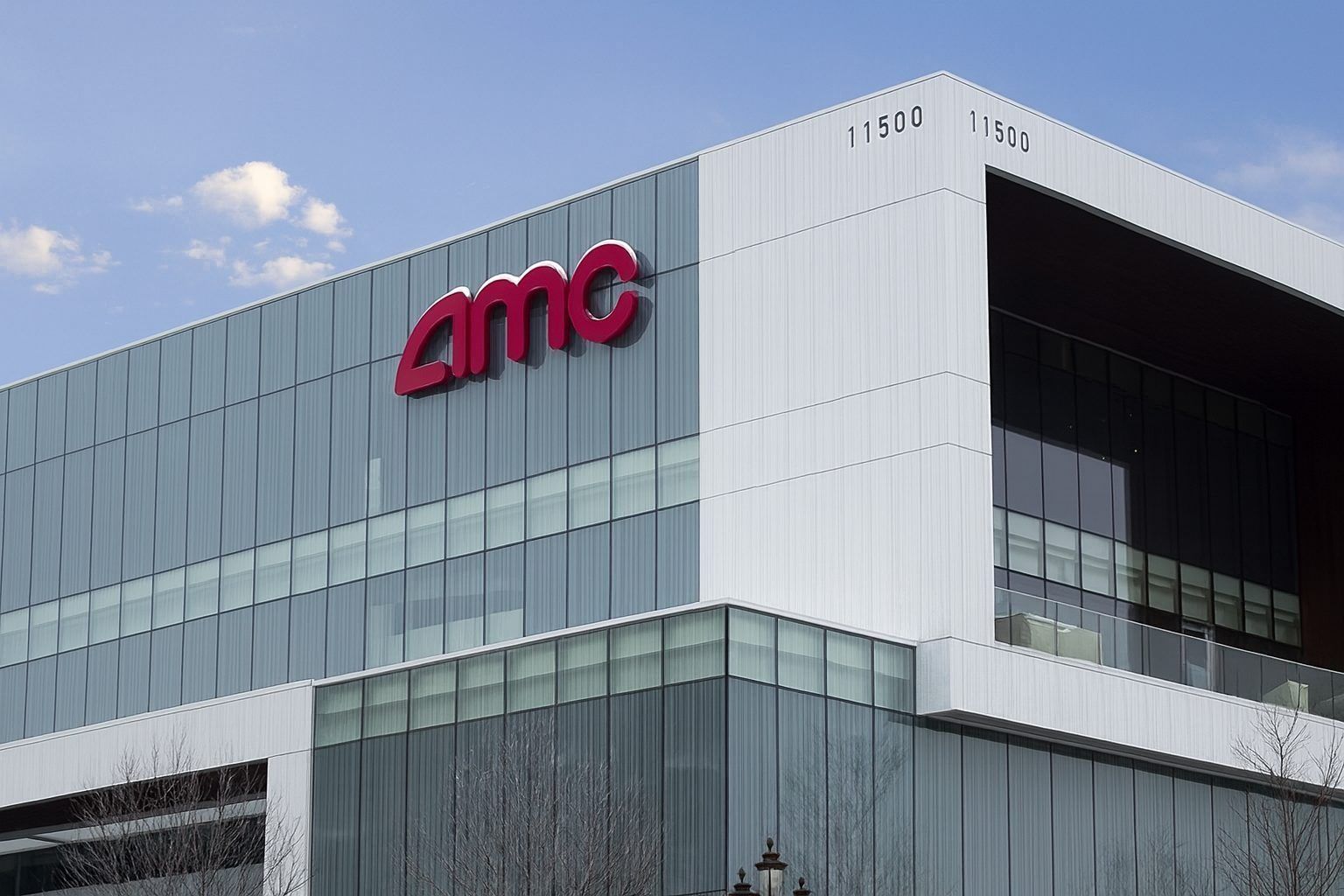
AMC Entertainment Holdings, Inc. NYSE:AMC heads into the last month of 2025 with its stock trading around $2.45 per share, a market capitalization of roughly $1.2 billion and a reputation that still straddles the line between meme stock and traditional cinema operator.
Today’s news flow brings three big storylines together for AMC stockholders:
- A major institutional investor, Geode Capital Management, has quietly increased its stake.
- AMC is rolling out a new “Popcorn Pass” subscription designed to drive high‑margin concession sales just as a stacked Q4 film slate hits theaters. AMC Entertainment Holdings, Inc.+2ABC News…
- Investors are still digesting Q3 2025 earnings and a sweeping debt‑refinancing program that cut near‑term maturities but came with heavy non‑cash charges.
Below is a detailed look at AMC stock as of Saturday, November 29, 2025, and what the latest developments could mean for its outlook.
AMC Stock Price and Performance Heading Into December
U.S. markets were closed today, so the latest full trading session for AMC stock was Friday, November 28, 2025:
- Closing price: $2.45
- Daily move: +6.52% on Friday, marking AMC’s third straight day of gains
- 52‑week high: $5.56 (reached December 5, 2024) – the current price is about 56% below that high
- Trading volume (Friday): 16.1 million shares vs. a 50‑day average of 22.9 million
Over a longer horizon, AMC remains deeply underwater:
- 1‑year price change: about –52%
- Year‑to‑date (YTD) performance: around –38% in 2025
- Market cap: roughly $1.18–$1.26 billion, depending on the data vendor
A Capital.com analysis notes that as of November 2025, AMC shares are trading more than 99% below their 2021 meme‑stock peak, even after the 1‑for‑10 reverse split the company executed in 2023 to shore up its NYSE listing and create room to issue more equity.
In other words: despite short bursts of optimism like Friday’s rally, AMC stock is still priced as a high‑risk turnaround, not a fully healed recovery story.
New Today: Geode Capital Boosts Its AMC Stake
One of the most notable AMC stock headlines dated November 29, 2025 comes from a new institutional‑ownership update:
- Geode Capital Management LLC, a major asset manager that also sub‑advises some Fidelity index funds, increased its AMC position by about 10.6% in Q2 2025.
- Geode now holds roughly 10.25 million AMC shares, representing about 2.37% of the company, with a stake valued near $31–32 million at the time of the filing.
The same report highlights broader institutional activity:
- Vanguard Group boosted its position to roughly 42.8 million shares, up about 16% from the prior period.
- Altogether, institutional investors own roughly 28–30% of AMC’s shares, with the rest largely in the hands of retail traders.
For a stock that still trades heavily on social‑media sentiment, increased institutional ownership can be read two ways:
- Vote of cautious confidence: Some large investors appear willing to own AMC at today’s depressed price, betting on a box‑office recovery and ongoing deleveraging.
- No guarantee of stability: Institutions can and do exit quickly if the thesis breaks, so their presence alone doesn’t de‑risk the name.
It’s also important to note that 13F filings lag by several weeks, so the buying reflected here happened earlier in the year. The filing is fresh today; the trades behind it are not.
Popcorn Pass: A New Concessions Membership Aimed at Margin
The other big headline around AMC today is not about the stock price at all, but about popcorn.
What AMC’s Popcorn Pass Actually Is
AMC announced the AMC Popcorn Pass in a late‑November press release:
- Cost: $29.99 plus tax per year
- Who can buy: AMC Stubs members (including Insider, Premiere, and A‑List tiers)
- Benefit: 50% off one large “AMC Perfectly Popcorn” every day the pass is active
- Availability: Valid at all AMC theatres in the U.S., in‑theater purchases only (no mobile/online orders)
- Duration: Passes bought starting December 1, 2025 stay active through December 31, 2026
The pass replaces AMC’s old Annual Bucket program, which was limited to certain “AMC CLASSIC” locations, and extends the benefit to the full AMC domestic circuit. primetimer.com+1
Media coverage on November 29 has leaned heavily into this story:
- PrimeTimer breaks down the offer and emphasizes the value proposition for families, students, and frequent moviegoers, noting that the longer you hold the pass, the more days you can use the 50% discount.
- ABC News / Good Morning America frames Popcorn Pass as a Cyber Monday‑timed promotion that arrives just ahead of major releases like “Wicked: For Good”, “Zootopia 2”, “Avatar: Fire and Ash”, “Marty Supreme” and “The Housemaid.” ABC News
Why Popcorn Pass Matters for AMC Stock
Concessions are one of AMC’s highest‑margin revenue streams. In its Q3 release, AMC highlighted record‑level spending per guest:
- Admissions revenue per patron of $12.25
- Food and beverage revenue per patron of $7.74, the second‑highest in AMC’s 105‑year history
A loyalty product that encourages more trips and more paid snacks could:
- Raise average visits per Stubs member, especially during busy release windows;
- Lock in recurring concession demand for a full year;
- Support in‑theater spending even if ticket volumes remain volatile.
However, a Simply Wall St review of the Popcorn Pass this week argues that while the offer adds incremental value and may modestly support in‑theater spending, it is unlikely on its own to transform AMC’s investment case, which still depends more on box‑office strength, premium formats and balance‑sheet repair.
That same analysis models AMC reaching about $5.7 billion in revenue and $541 million in net earnings by 2028, implying a fair‑value estimate around $3.34 per share—roughly 48% above current prices—while stressing that these are just forecasts and that risk remains elevated.
Q3 2025 Earnings: Revenue Dip, Bigger Loss, But Some Operational Bright Spots
AMC reported Q3 2025 results on November 5. Key headline numbers:
- Total revenue: $1.30 billion, down about 3.6% from $1.35 billion in Q3 2024
- Net loss:$298.2 million, sharply wider than the $20.7 million loss a year earlier
- Adjusted net loss: about $110 million vs. roughly $16 million in Q3 2024
- Adjusted EBITDA:$122.2 million, down from $161.8 million in the prior‑year quarter
- Net cash used in operations:$14.9 million, improved from $31.5 million
- Free cash flow: negative $81.1 million, slightly better than negative $92.2 million in Q3 2024
- Cash and cash equivalents (Sept. 30, 2025):$365.8 million
Management emphasized that the widened net loss was driven largely by non‑cash charges tied to AMC’s July 2025 refinancing, which enabled the company to retire its 2026 debt maturities.
On the earnings call, AMC highlighted that domestic adjusted EBITDA reached about $111 million, slightly above Q3 2019, despite selling roughly 31% fewer tickets than in that pre‑pandemic benchmark period—evidence that higher pricing, premium formats and concession spending are offsetting some volume pressure.
The company also noted that the weaker third‑quarter box office was in line with its long‑telegraphed expectation of a soft Q3 followed by a stronger Q4, and reiterated that it anticipates 2025 to be the strongest box‑office year since the pandemic, with 2026 potentially surpassing 2025.
Refinancing and Debt Reduction: De‑Risking 2026, But Leverage Still High
A big part of AMC’s 2025 story is happening on the balance‑sheet side.
July 2025 Comprehensive Refinancing
On July 25, 2025, AMC announced the closing of a multi‑part refinancing deal that:
- Raised about $244 million in new financing, primarily to redeem 2026 debt
- Equitized $143 million of existing 6.00% / 8.00% Senior Secured Exchangeable Notes due 2030
- Created the potential to equitize up to $337 million of debt in total
- Fully resolved litigation with holders of AMC’s 7.5% Senior Secured Notes due 2029
- Received support from roughly 90% of AMC’s term‑loan lenders
This transaction materially reduced near‑term refinancing risk, but also contributed to the big non‑cash charges that weighed on Q3 GAAP net income.
October 2025 Debt Elimination
On October 1, 2025, AMC announced another step:
- The company eliminated an additional $39.9 million of its Senior Secured Exchangeable Notes due 2030
- No new shares were issued and no cash was used for this reduction
- In total, AMC had, by that point, cut about $183 million of exchangeable debt under the 2025 agreement
CEO Adam Aron pitched these moves as evidence that AMC is “not yet done” strengthening its balance sheet and is aiming to enter an expectedly stronger 2026 box‑office environment with a more sustainable capital structure. AMC Entertainment Holdings, Inc.+1
Despite this progress, AMC still carries significant leverage and continues to burn cash, as Q3’s negative free cash flow underscores. For equity holders, the key questions are:
- Can box‑office trends and high‑margin concessions lift EBITDA enough to service and eventually reduce remaining debt?
- Will AMC need additional equity raises or further debt‑equity swaps, which could dilute existing shareholders?
Meme‑Stock Backdrop and Short Interest: Volatility Is Not Going Away
AMC remains one of the original meme stocks, and 2025 has seen a revival of retail‑driven trading across several heavily shorted names.
A recent MarketMinute feature on “Meme Stock Mania 2.0” notes that:
- Retail investors now account for roughly 20.5% of daily U.S. equity volume, with peaks up to 36% of order flow on some days.
- Long‑time meme favourites like AMC and GameStop still show outsized volatility when social‑media sentiment spikes.
Current short‑interest data reinforces AMC’s status as a battleground:
- As of November 14, 2025, AMC had around 48.5 million shares sold short, equating to roughly 9.5–10.5% of float.
- The short‑interest ratio (days to cover) sits around 2–3 days, depending on the volume measure.
That’s not at the extreme levels seen at the height of the 2021 squeeze, but it is high enough to matter. It can amplify both:
- Sharp rallies, if good news forces shorts to cover, and
- Steep sell‑offs, if bearish narratives or further dilution fears take hold.
For traders, this volatility is part of AMC’s appeal. For long‑term investors, it’s an additional risk factor on top of the fundamental challenges.
Analyst Ratings, Price Targets and Fair‑Value Views
Wall Street remains sharply divided on AMC.
Street Consensus
A recent MarketBeat survey of nine brokerage firms covering AMC shows:
- 2 Sell ratings
- 5 Hold ratings
- 1 Buy and 1 Strong Buy
The consensus rating is effectively a “Hold” (or “Reduce”), with an average 12‑month price target around $3.33 per share. From Friday’s close near $2.45, that implies roughly 35–40% upside, though individual targets range widely.
Recent rating moves include:
- Citigroup keeping a Strong Sell stance while trimming its price target to around the low‑$2 range in mid‑November.
- Wedbush upgrading AMC from Hold to Buy earlier this year, with a target around $4, reflecting optimism about premium formats and box‑office recovery.
Independent Valuation Models
Outside traditional broker research:
- Simply Wall St’s fundamental model pegs fair value at about $3.34, assuming mid‑single‑digit annual revenue growth and a dramatic swing from current losses to substantial profitability by 2028.
- The site also highlights that seven community contributors see “fair value” anywhere from about $3.21 to over $33 per share, illustrating how wildly investor expectations can differ. Simply Wall St
The wide dispersion in both analyst opinion and fair‑value estimates is itself a signal: AMC is a high‑uncertainty, sentiment‑sensitive stock where small changes in assumptions (about debt, attendance or dilution) can shift valuation calls dramatically.
Box Office and Content: Wicked, Zootopia 2 and the 2026 Pipeline
Fundamentally, AMC’s fate is still tied to whether people keep leaving their couches for the big screen.
Recent news offers some encouraging data points:
- AMC reported that the musical film “Wicked: For Good” delivered a blockbuster opening weekend, with about $226 million in global box‑office receipts, including $150 million in the U.S. and Canada, and drove a nearly 5% jump in AMC shares shortly after release. Proactiveinvestors NA
- The company said more than 4.5 million guests visited its theaters worldwide during the film’s release week, with roughly two‑thirds of them seeing Wicked: For Good—and that the film generated AMC’s top merchandise program of 2025 and its most‑attended double‑feature event of the decade.
Looking ahead, AMC and media coverage have repeatedly pointed to a stacked late‑2025 and 2026 slate, including titles like:
- Wicked: For Good (continuing its run)
- Zootopia 2
- Five Nights at Freddy’s 2
- The SpongeBob Movie: Search for SquarePants
- Avatar: Fire and Ash
- Several prestige and specialty releases that benefit from premium‑format viewing
AMC’s thesis is that more event‑level movies, paired with premium screens, loyalty perks and concession‑driven experiences, can gradually lift revenue per patron and support the debt‑reduction journey—if the box‑office rebound materializes as hoped.
What All of This Means for AMC Stock Right Now
Putting today’s key headlines together:
- Price action: AMC just logged a three‑day winning streak and a strong Friday session, but the stock remains down heavily YTD and more than half below its 52‑week high.
- Ownership shifts: Bigger positions from firms like Geode and Vanguard signal that some institutions are still willing to play the AMC story at these levels, even as much of the float remains in retail hands.
- Business momentum: The Popcorn Pass and strong response to Wicked: For Good underscore AMC’s focus on high‑margin concessions, premium experiences and loyalty to offset choppy attendance.
- Financial reality: Q3 shows ongoing cash burn, a wider reported net loss driven by refinancing charges, and still‑heavy leverage, even after meaningful debt reduction.
- Sentiment & risk: Elevated short interest, meme‑stock dynamics and a split analyst community mean AMC’s share price is likely to remain highly volatile, with sentiment swings sometimes overshadowing fundamentals.
For readers following AMC stock on Google News or Discover, the current picture is that of a company:
- Still fighting its way back from pandemic‑era damage and meme‑stock whiplash,
- Leaning hard into loyalty programs and premium experiences,
- Benefiting from a stronger big‑screen content pipeline,
- But still wrestling with debt, negative free cash flow and a volatile shareholder base.
Important Disclaimer
This article is for information and news purposes only and does not constitute financial advice, investment recommendation or an invitation to buy or sell any security. AMC stock is volatile and speculative; anyone considering an investment should do their own research, read the company’s latest SEC filings, and consider speaking with a qualified financial adviser before making trading or investment decisions.