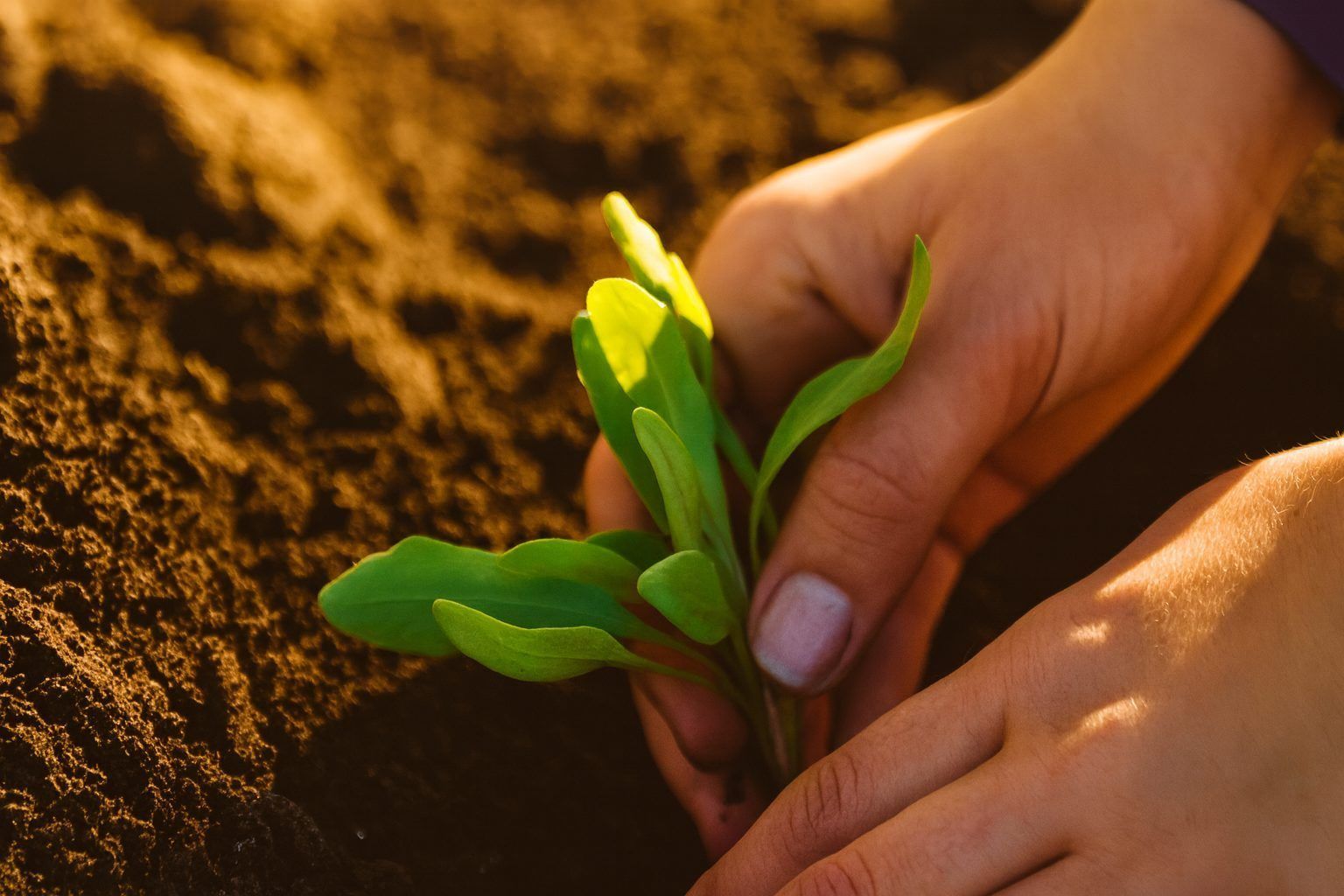
As December 4, 2025 begins, two new “editions” are drawing attention in very different but surprisingly connected worlds: backyard orchards and elementary science classrooms.
On one side, University of California Agriculture and Natural Resources (UC ANR) has released a substantially expanded second edition of The Home Orchard: Growing Your Own Deciduous Fruit and Nut Trees, a definitive guide for home growers.
On the other, School Specialty has announced that its new FOSS Pathways™ edition of the Full Option Science System®—a phenomena‑based science curriculum for grades PreK–5—has been named a Parent and Teacher Choice Award winner.
Together, the two stories highlight how evidence-based resources from University of California–affiliated experts are reshaping both how we grow food and how we teach science.
A New ‘Home Orchard’ Edition for the Deciduous Fruit and Nut Boom
UC ANR’s second edition of The Home Orchard arrives almost two decades after the first edition in 2007, reflecting a surge of interest in home food production and major advances in horticultural research.
The new volume is designed for:
- Home gardeners and backyard orchardists
- Hobbyists and rare-fruit enthusiasts
- Small‑scale growers who want professional‑grade guidance at home
What’s new in The Home Orchard (Second Edition)
UC ANR describes the book as an updated, research‑backed guide to growing deciduous fruit and nut trees, with significantly expanded coverage beyond classic crops such as apples and peaches.
Key updates include:
- More crops and broader diversity
The new edition adds detailed guidance for figs and persimmons, along with an expanded nut section that now covers almonds, walnuts, pecans, chestnuts, filberts (hazelnuts) and pistachios. - Integrated pest management (IPM) for each crop
Rather than generic pest advice, the book breaks down integrated pest management strategies by crop, giving home growers targeted, sustainable options for dealing with insects and diseases. - Modern rootstock and variety recommendations
Rootstock choices and variety lists have been refreshed to reflect current breeding work and field experience in California and similar climates, helping gardeners choose trees that are better suited to modern conditions and smaller yards. - Water‑efficient irrigation and climate adaptation
The new edition digs into drip systems, efficient irrigation layout and scheduling, and offers strategies for coping with hotter summers, erratic rainfall and shifting chill hours—issues that are now central to fruit production across the West. - Troubleshooting and tree biology
Troubleshooting chapters walk through common problems such as failure to bear, poor fruit quality and physiological disorders. These are backed by explanations of tree biology and growth cycles so that readers understand why specific practices work, not just what to do.
The result is a 240‑page reference that aims to support “decades of productive, sustainable fruit and nut growing” for serious home orchardists. UC Agriculture and Natural Resources+2El-B…
Legacy of Chuck Ingels and a new editorial team
The new edition also serves as a tribute to the late Chuck Ingels, a UC Cooperative Extension advisor who was both a technical editor and co‑author of the original Home Orchard publication.
For the 2025 update:
- John Karlik, emeritus UC Cooperative Extension advisor in Kern County, serves as technical editor and co‑author.
- The author team draws on a long roster of current and former UC ANR experts, including specialists in pomology, IPM, irrigation and environmental horticulture.
Their combined field experience anchors the book’s recommendations in real‑world trial and error, not just theory.
Price and availability
The second edition of The Home Orchard is being released as a paperback priced at $40, available through the UC ANR Catalog online.
In the last 24 hours, the UC ANR announcement has been picked up by multiple outlets, including niche and general‑interest news sites, signaling growing global interest in practical, research‑backed food growing resources.
School Specialty’s FOSS Pathways: A New Edition of Phenomena‑Based Science for PreK–5
While The Home Orchard equips adults to manage trees in their backyards, School Specialty’s latest education news centers on nurturing scientific thinking in children.
On December 3, 2025, School Specialty announced that its FOSS Pathways™ Edition for PreK–5—a new edition of the long‑standing Full Option Science System® (FOSS) curriculum—has been awarded a Parent and Teacher Choice Award.
The announcement, distributed via PR Newswire and mirrored across finance and news platforms including Yahoo Finance, Futu and PressBee, quickly gained traction in the education and investor communities.
What is FOSS Pathways?
FOSS is a research‑based science curriculum developed at the Lawrence Hall of Science at the University of California, Berkeley, and has been refined over more than 40 years through NSF‑supported research and national field‑testing.
FOSS Pathways is the newest edition for grades PreK–5. According to School Specialty and FOSS, it is designed to:
- Immerse students in phenomena‑based learning, where local and relevant real‑world events or problems anchor each unit.
- Support three‑dimensional instruction—integrating science and engineering practices, crosscutting concepts and core disciplinary ideas—aligned with national science standards.
- Provide hands‑on, active investigations, not just textbook learning.
Why the Parent and Teacher Choice Award matters
The Parent and Teacher Choice Awards are widely promoted as an international recognition for educational products that combine strong learning science with creativity and engagement. FOSS Pathways science resources previously received a Gold Medal from the award program, signaling quality in its student books; now the full curriculum edition is being celebrated as well.
For FOSS Pathways, the award highlights several features that School Specialty and independent reviewers see as especially timely:
- Time‑efficient design
The curriculum is structured around roughly 60 sessions per year in grades K–2 and 90 sessions in grades 3–5, acknowledging that elementary teachers face tight schedules but still need robust science coverage. - Integrated literacy and math
Lessons are built to strengthen English Language Arts and basic math skills alongside science, helping teachers meet multiple instructional goals at once. - Accessibility and equity focus
FOSS Pathways emphasizes multimodal learning—print, hands‑on kits and digital tools—and includes editable teacher slides and online assessments that can be translated into any language supported by Google Translate, making it easier to adapt for multilingual classrooms. - Evidence of effectiveness
The program has been recognized with an ESSA Tier 4 designation by Johns Hopkins School of Education and is backed by decades of classroom field‑testing through the wider FOSS project.
In School Specialty’s release, product leaders and classroom teachers stress that FOSS Pathways helps students become “scientific thinkers” who can analyze problems and connect classroom investigations to everyday life—skills considered essential in a world shaped by climate, technology and health challenges. PR Newswire+1
How FOSS Pathways is delivered
School Specialty’s offering goes beyond a textbook:
- Equipment kits with hands‑on materials for each investigation
- Investigations Guides for teachers
- FOSS Science Resources student books
- Access to the FOSSweb on ThinkLink™ digital platform for simulations, media and assessments
This integrated package is meant to make it easier for districts to adopt a core science curriculum that remains engaging over many years of use.
UC’s Imprint on Both Stories: From Orchard to Classroom
Although The Home Orchard and FOSS Pathways live in different markets—consumer gardening and K–12 education—they share a striking common thread: both are rooted in University of California research and extension work.
- The orchard guide is published directly by University of California Agriculture and Natural Resources, synthesizing work by Cooperative Extension advisors and campus‑based specialists.
- FOSS Pathways builds on a curriculum developed at the Lawrence Hall of Science, UC Berkeley, and originally supported by the National Science Foundation and the university.
Both releases emphasize:
- Science‑backed recommendations rather than anecdotal advice
- Real‑world testing—in field orchards on one hand and in thousands of elementary classrooms on the other
- Adaptation to current challenges, whether that means climate‑resilient fruit trees or time‑efficient, inclusive science lessons
In that sense, the news of December 3–4, 2025 is not just about two new “editions.” It’s a snapshot of how publicly funded research is still flowing into practical tools for families, communities and schools.
Why This Matters Now
For gardeners and local food advocates
The timing of The Home Orchard second edition is significant. Interest in homegrown fruit, nuts and perennial crops has been rising, driven by:
- Concerns about food prices and supply chains
- Desire for climate‑resilient, drought‑tolerant landscapes
- A growing movement toward regenerative and low‑input gardening
By bundling updated IPM guidance, water‑saving irrigation strategies and climate‑aware cultivar advice into a single volume, the book offers a way for both beginners and experienced growers to avoid common mistakes—especially in Mediterranean and semi‑arid climates where deciduous fruit and nut trees are popular but water and chill hours are increasingly unpredictable.
For schools and education policy
At the same time, U.S. schools are under pressure to:
- Improve science scores
- Integrate STEM with literacy and numeracy
- Address persistent equity gaps in access to high‑quality instruction
A phenomena‑based curriculum like FOSS Pathways is designed to hit that intersection by making science central rather than optional, while still acknowledging constraints on teacher time and training. The Parent and Teacher Choice Award, combined with ESSA‑aligned evidence, will likely be used by districts as part of their justification for adoption in upcoming curriculum cycles.
Global Coverage as of December 4, 2025
As of December 4, 2025:
- UC ANR’s Home Orchard announcement from December 3 has been amplified by outlets including SSBCrack News and El‑Balad, which highlight the expanded crop list, sustainability focus and $40 paperback release.
- School Specialty’s FOSS Pathways award has been circulated via PR Newswire’s education news feed and re‑published on finance, education and regional news sites, from Yahoo Finance to Futu and PressBee, increasing its visibility to both educators and investors.
For readers, that means both stories are now part of the broader news ecosystem surfaced by platforms like Google News and Discover—making it easier for gardeners, teachers, and school leaders to discover them organically.
The Bottom Line
- If you grow fruit or nut trees, the new second edition of The Home Orchard offers a deeply updated, regionally informed manual for planning, planting, pruning and protecting your trees in a changing climate.
- If you teach or oversee elementary science, the new FOSS Pathways edition provides a phenomena‑based, award‑winning curriculum that is tightly aligned with standards, integrates literacy and math, and is built to work within the realities of classroom time and diverse student needs.