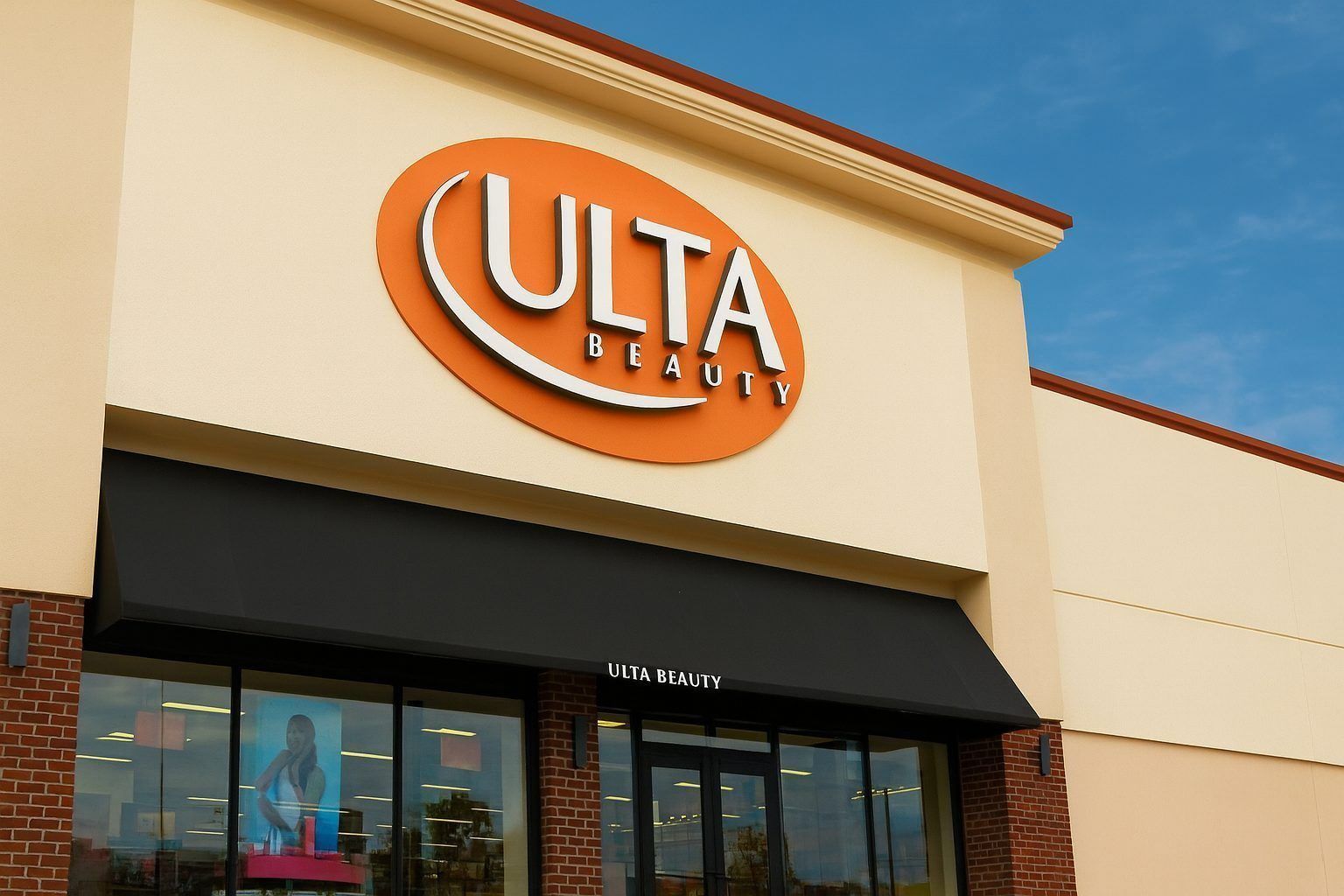
Ulta Beauty’s third‑quarter 2025 earnings report delivered exactly what investors wanted to see: faster growth, a clear beat on Wall Street forecasts, and a meaningfully higher full‑year outlook backed by surprisingly resilient demand for makeup, skincare and fragrance.
On December 4, the specialty beauty retailer reported fiscal Q3 2025 net sales of about $2.86 billion, up 12.9% year on year, with diluted EPS of $5.14, matching last year’s record but easily topping analyst estimates in the mid‑$4 range. Comparable sales jumped 6.3%, recovering from just 0.6% in the prior‑year quarter, while the company lifted its full‑year sales, same‑store sales, margin and earnings guidance across the board.
The stronger‑than‑expected print sent ULTA stock up roughly 5% in after‑hours trading, according to multiple real‑time market reports, as investors cheered both the current momentum and a more bullish view of 2025 profits.
Q3 2025 by the numbers: sales re‑accelerate, earnings beat cautious forecasts
Ahead of the release, Wall Street was braced for a solid but more modest quarter. Consensus expectations clustered around $2.7–2.72 billion in revenue and EPS of roughly $4.60–$4.64, implying mid‑single‑digit top‑line growth and a double‑digit decline in earnings versus last year.
Instead, Ulta delivered:
- Net sales: $2.86 billion, up 12.9% year on year and roughly 5% above consensus
- Comparable sales: +6.3% (vs. +0.6% a year earlier)
- GAAP EPS: $5.14, roughly 11–12% above expectations and flat year on year
- Gross margin: 40.4% vs. 39.7% in Q3 2024
Management attributed the surge in revenue to a combination of stronger store traffic, higher average ticket, robust e‑commerce growth and contribution from the Space NK acquisition in the UK and Ireland, alongside net new store openings in the U.S.
Average ticket rose 3.8% and transactions increased 2.4%, underscoring that Ulta is both attracting more shoppers and getting them to spend more per visit — an encouraging mix in an environment where many retailers are fighting to keep traffic flat.
At the same time, gross margin improved thanks largely to lower inventory shrink and healthier merchandise margins, partly offset by a less favorable mix shift between channels.
Guidance raised across the board: Ulta leans into its momentum
The headline from CNBC, Bloomberg and the Wall Street Journal was echoed across the financial press: Ulta didn’t just beat Q3 estimates — it raised its full‑year outlook again as demand for beauty products stayed unexpectedly strong. While the company refers to the current fiscal year as fiscal 2025, the upgraded guidance effectively covers performance through early 2026.
According to the company’s official outlook, Ulta now expects for fiscal 2025:
- Net sales: ~$12.3 billion, up from a prior range of $12.0–$12.1 billion
- Comparable sales growth:4.4–4.7% (previously 2.5–3.5%)
- Operating margin:12.3–12.4%, raised from 11.9–12.0%
- Diluted EPS:$25.20–$25.50, up from $23.85–$24.30
Those new targets sit comfortably above Street forecasts, which were calling for around $12.06–$12.13 billion in revenue and approximately $24.40–$24.54 in GAAP EPS before the print.
In other words, Ulta isn’t just beating a low bar; it is resetting expectations higher, signaling confidence that momentum in beauty spending can carry through the holiday period and into 2026.
Beauty demand defies a cautious consumer
Ulta’s upbeat message lands at a time when many retailers are warning about budget‑conscious shoppers and muted holiday spending. Reuters noted that Ulta’s strength stands out against a backdrop of softer discretionary trends in U.S. retail overall.
Several themes explain why beauty is holding up:
- Affordable indulgence. Even as consumers trade down in some categories, beauty and self‑care are proving relatively “sticky.” AlphaStreet’s pre‑earnings analysis highlighted that both mass and prestige beauty in the U.S. have delivered steady growth, with shoppers still willing to spend on cosmetics, skincare and wellness even in an uncertain macro environment.AlphaStreet News+1
- Trendy, inclusive assortments. Reuters and other outlets pointed to strong demand for fragrance and the continued draw of celebrity and influencer‑driven brands, including lines such as Rihanna’s Fenty Beauty, which help Ulta tap into younger consumers and social‑media‑led trends.
- Omnichannel strength. Management said Q3 growth was broad‑based across categories and channels, with notable strength in e‑commerce and improved digital experiences that are resonating with loyalty members.
- Promotions that still protect margin. Ulta’s signature events — like “21 Days of Beauty” and fall campaigns — continue to drive volume without fully eroding profitability, aided by more disciplined discounting and better shrink control.Fortune+2StreetInsider.com+2
In the Q3 press release and subsequent coverage, CEO Kecia Steelman acknowledged that consumers’ wallets remain under pressure, but emphasized that compelling assortments, refreshed stores, stronger digital journeys and bold marketing are giving shoppers reasons to keep spending at Ulta.
Profitability: higher gross margin, but SG&A pressures keep EPS flat
One nuance that sophisticated investors — and outlets like Seeking Alpha — seized on is that while Ulta’s gross margin expanded, its operating margin stepped down due to rising operating costs.
Key margin and cost metrics for Q3 2025:
- Gross margin: 40.4% (up from 39.7% a year ago), helped by lower shrink, better merchandise margin and reduced e‑commerce shipping costs
- Operating margin: 10.8% (down from 12.6%), as operating expenses grew faster than sales
- SG&A as % of sales: 29.4%, up from 27.0%
Ulta cited higher incentive compensation, store payroll and benefits, store operating costs and cloud‑software amortization as the main drivers of SG&A deleverage. Net income in the quarter slipped slightly to $230.9 million, but share repurchases kept EPS flat at $5.14 versus the prior year.
Cash‑flow‑wise, free cash flow remained negative in the quarter — roughly –$82 million, an improvement from around –$171 million in the year‑ago period — reflecting heavy investment in inventory, store growth and tech infrastructure.
Seeking Alpha’s quick take summed it up: stellar sales and comp performance, higher guidance, but a slightly dimmer glow from the balance sheet and margin compression.
Inventory, debt and buybacks: a more levered balance sheet
Ulta’s growth is not coming free. The Q3 filing and press release show a meaningful build in inventory and short‑term debt, reflecting both expansion and aggressive capital returns.
- Inventory rose 16% year on year to about $2.7 billion, driven by new brand launches, the Space NK acquisition and stock to support 63 net new Ulta stores opened over the last twelve months.
- Short‑term debt nearly tripled to roughly $552 million from about $200 million a year earlier, after Ulta drew on its revolving credit facility to fund working capital and capital expenditures.
- During Q3 alone, the company repurchased 426,914 shares for $224.7 million; year‑to‑date buybacks total 1.7 million shares for $693 million, with $2.0 billion still remaining on a $3.0 billion authorization.
Analysts broadly view the capital return policy as shareholder‑friendly, but some, including commentary on Seeking Alpha, have flagged that increasing reliance on short‑term borrowing to fund buybacks adds a modest layer of balance‑sheet risk if growth slows or rates move unexpectedly higher.
Store growth, UB Marketplace and global expansion
Beyond the headline earnings numbers, Ulta’s Q3 update and recent press releases sketch out a retailer quietly but steadily expanding its footprint and capabilities.
- U.S. stores: Ulta opened 28 new stores in the quarter, remodeled 15 and closed one. Year‑to‑date, it has opened 58 new stores and now operates 1,500 Ulta Beauty locations across the U.S.
- Space NK acquisition: Earlier in 2025 Ulta acquired British luxury beauty chain Space NK, adding more than 80 stores in the UK and Ireland — now cited as a contributor to Q3 sales and inventory growth.
- Middle East debut: In November 2025, Ulta opened its first Middle East store in Kuwait, in partnership with Alshaya Group, marking a new international growth vector with additional locations planned in the UAE and Saudi Arabia.
- UB Marketplace: In October, Ulta launched UB Marketplace, a curated third‑party marketplace that immediately added more than 100 new brands across luxury, global beauty and wellness to its online assortment, enabling faster response to emerging trends without over‑committing physical shelf space.
Taken together, these moves suggest that Ulta is trying to build a hybrid growth engine: more stores, richer digital assortments and new international markets, all layered on top of a still‑expanding U.S. beauty core.
Analyst expectations vs. reality
The December 4 report landed after a flurry of last‑minute forecast tweaks and analyst commentary.
In a same‑day preview, Benzinga noted that analysts expected Q3 EPS of $4.60 and revenue of $2.7 billion, down from $5.14 EPS and $2.53 billion in Q3 2024, and highlighted a slate of mostly bullish ratings from major firms.
Among the “most accurate” analysts Benzinga tracks:
- JPMorgan reiterated Overweight with a slightly higher price target
- Telsey Advisory Group kept an Outperform rating
- Canaccord Genuity maintained a Buy with a target in the mid‑$600s
- Wells Fargo remained more cautious with an Underweight stance despite lifting its target
The Q3 beat and guidance raise effectively validated the more optimistic end of that spectrum, while also giving cautious voices new data points on margins and leverage to parse.
Several independent research notes (including StockStory/Finviz and TipRanks) emphasized that Ulta’s revenue beat of around 5% and EPS beat of roughly 11–12% are sizable for a mature retailer, and that the new EPS guidance is 3–4% above prior Wall Street estimates.
Strategic overhangs: Target breakup and a new CFO
Even in a strong quarter, investors are keeping an eye on two medium‑term storylines: the end of Ulta’s mini‑shop partnership with Target and a CFO transition kicking in right after the Q3 call.
- Target partnership winds down by 2026.
In August 2025, Ulta and Target jointly announced they would not renew their Ulta Beauty at Target shop‑in‑shop agreement when it expires in August 2026. The partnership, launched in 2021, placed Ulta shop‑in‑shops in roughly 600 Target stores and allowed customers to earn Ulta Rewards points on eligible purchases.Target Corporation+2Reuters+2
While Ulta reiterated that stand‑alone stores and digital channels remain its primary growth engines, the eventual loss of this incremental channel will be on investors’ radar as they model sales beyond fiscal 2025. - New CFO steps in on December 5.
In October, Ulta named Christopher DelOrefice (formerly CFO of Becton Dickinson) as its next Chief Financial Officer, with his appointment effective December 5, 2025 — the day after the Q3 call.Stock Titan+1
DelOrefice inherits a balance sheet with rising inventory and short‑term debt but also strong cash generation and a massive buyback authorization. Investors will be watching how his capital‑allocation philosophy and risk tolerance shape Ulta’s priorities in 2026 and beyond.
What to watch from here
With Q3 in the books and guidance raised, several questions will determine whether Ulta’s rally can continue:
- Holiday execution. Management is counting on robust traffic and promotions to carry momentum through the crucial holiday season even as many retailers brace for subdued spending. If comps stay strong without a big step‑up in discounting, it will reinforce the upgraded margin guidance.
- SG&A discipline. Investors will want to see whether the elevated SG&A ratio begins to stabilize as tech investments roll off and productivity gains kick in, or whether wage inflation and store costs keep pressuring operating margin.
- Inventory and debt trajectory. A gradual normalization of inventory growth and reduced reliance on the revolver would ease balance‑sheet concerns while still allowing Ulta to pursue international stores, UB Marketplace scaling and brand launches.
- Competitive dynamics. The beauty space remains crowded, from legacy department stores to Sephora and newer digital‑first brands. Ulta’s ability to preserve its “all‑things‑beauty” positioning, especially once the Target tie‑up ends, will be central to sustaining mid‑single‑digit comp growth.
For now, though, the story on December 4 is straightforward: Ulta Beauty just delivered one of the cleanest “beat‑and‑raise” quarters in U.S. retail, reaffirming that in a choppy consumer landscape, beauty continues to be one of the brightest spots — and Ulta remains firmly at the center of it.