
As global exchanges rush back into India and Bitcoin whipsaws ahead of the FOMC meeting, speculative capital is flowing into high‑risk presales like BlockDAG (BDAG) and DeepSnitch AI (DSNT). Here’s what’s actually happening – and what the latest forecasts for 2026 are really built on.
Key Takeaways
- Coinbase has quietly reopened its app to new users in India after more than a two‑year freeze, with crypto‑to‑crypto trading live now and local rupee on‑ramps targeted for 2026.
- India is becoming one of the most hotly contested crypto markets, with Binance, Bybit, Kraken and Bitget all jockeying for position under tighter Financial Intelligence Unit (FIU) oversight and a harsh 30% tax + 1% TDS regime.
- BlockDAG’s presale has reportedly raised over $440 million, with promotional forecasts floating 10x–100x upside as the February 10, 2026 presale deadline approaches – but most of that optimism is based on marketing-heavy press releases, not neutral research.
- DeepSnitch AI’s DSNT token presale has jumped about 70–76% from its opening price, raising more than $700,000 and positioning a January 2026 launch as a potential “next 100x” play according to several sponsored features. CoinCentral+2The Tribune+2
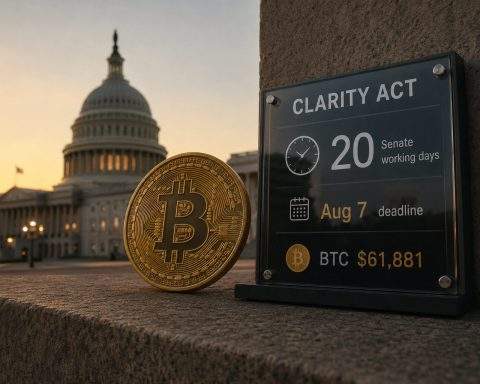
- Bitcoin’s slide below $88,000 over the weekend and upcoming Fed decision are the backdrop for this speculative frenzy, with some analysts still eyeing a path toward $100,000 into 2026 despite short‑term volatility.
Important: Nothing in this article is financial advice. Presales like BDAG and DSNT are high‑risk, thin‑liquidity instruments where you can lose your entire investment.
Coinbase’s India Comeback: What Actually Changed?
From UPI whiplash to FIU‑approved reboot
Coinbase first entered India in 2022 with support for the Unified Payments Interface (UPI), the country’s dominant real‑time payments rail. Within days, UPI’s operator publicly distanced itself from Coinbase’s rollout, and the exchange quickly disabled that on‑ramp.
Tensions escalated in 2023:
- Coinbase wound down its India‑facing services.
- Indian customers were told to withdraw or migrate holdings.
- New sign‑ups were halted, effectively cutting the exchange off from one of the world’s largest retail markets.
In 2025, Coinbase took a very different approach:
- FIU registration: The company engaged with India’s Financial Intelligence Unit and obtained registration as a reporting entity earlier this year – a key requirement for offshore exchanges that want to operate legally in the country.
- Early‑access testing: In October 2025, Coinbase quietly began onboarding a limited number of Indian users again via an early‑access program.
- Full reopening: As of December 7–8, 2025, the Coinbase app is broadly open to new registrations in India, marking its first meaningful step back into the market in more than two years.
At this stage, Indian users can only trade crypto‑to‑crypto pairs (for example, BTC/USDC). Direct deposits and withdrawals in rupees are not yet supported.
Fiat on‑ramp by 2026
Coinbase’s APAC director John O’Loghlen told attendees at India Blockchain Week that the company plans to roll out rupee‑based fiat on‑ and off‑ramps in 2026, relying on local payment partners rather than trying to force UPI support.
If executed, that would allow Indian customers to:
- Load INR into Coinbase via compliant local rails
- Buy and sell crypto directly against the rupee
- Withdraw fiat back to their bank accounts
For now, though, Coinbase’s India presence is essentially a crypto‑only trading venue with an eye on a more complete relaunch next year.
Heavy taxes, light regulation
Coinbase is re‑entering an environment that is both highly taxed and under‑regulated:
- 30% flat tax on crypto profits, with no ability to offset losses, imposed since 2022
- 1% tax deducted at source (TDS) on every trade above a low threshold, a regime that has already pushed many high‑frequency traders offshore TechCrunch+2DeFi Planet+2
At the same time, India still lacks a comprehensive crypto law. A government document reported by Reuters this year shows policymakers remain wary of crypto’s systemic risks and have opted for partial oversight via FIU registration and punitive taxes instead of a full regulatory framework.
That mix – legalized but expensive trading, no clear long‑term framework, and mandatory local registration – is exactly the climate in which Coinbase now hopes to rebuild trust.
India Becomes the New Battleground for Global Exchanges
Binance, Bybit, Kraken and Bitget join the race
Coinbase is not alone in targeting India’s retail and institutional crypto users. According to a December 8 feature in CCN: CCN
- Binance relaunched services for Indian users last year after securing FIU registration.
- Bybit paid a roughly seven‑figure penalty to India’s FIU for anti‑money‑laundering violations and restored full access for Indian customers in September 2025.
- Kraken is actively planning a return, having hired a local adviser and begun regulatory outreach.
- Bitget is in the process of registering with the FIU and expects approval around 2026.
In other words, India is shifting from “no foreign exchanges” to a regulated queue, where global platforms compete on product, compliance, and brand trust rather than simply geo‑blocking the country.
A $2.6B market that could reach $15B
Multiple studies now suggest why major exchanges are willing to navigate India’s tough tax rules:
- Chainalysis’ 2025 Global Crypto Adoption Index ranks India number one globally in overall grassroots crypto adoption, across both centralized and decentralized use.
- Industry and media reports estimate India’s crypto market size at about $2.6 billion in 2024, with forecasts projecting growth to around $15 billion by 2035 if current trends persist.
That growth potential exists despite – and in some ways because of – strict rules. Local exchanges like CoinDCX and WazirX have enjoyed a head start in this environment, and Coinbase has doubled down on its strategic bet by investing in CoinDCX at a $2.45 billion valuation.
For global players, the calculus is straightforward: if you want to be a top‑tier exchange in 2030, you probably can’t ignore India in 2025.
Macro Backdrop: Bitcoin Volatility and FOMC Jitters
The reopening of Coinbase in India and the marketing blitz around altcoin presales are happening against a choppy macro backdrop.
Over the first week of December:
- Bitcoin briefly fell below $88,000 and nearly touched $87,000 into the weekly close, wiping out billions in leveraged positions.
- Analysts linked the move to nervousness ahead of this week’s Federal Open Market Committee (FOMC) decision on US interest rates and a potential new gap on CME’s Bitcoin futures chart.
- Live dashboards now show BTC oscillating in the low‑$90,000 range, with bullish traders still talking about a possible run toward $100,000 before 2026 if resistance near $92k–$95k breaks cleanly.
That mix of high prices, sharp pullbacks, and uncertain macro data is exactly the kind of environment in which speculators pivot to early‑stage tokens in search of asymmetric upside – which brings us to BlockDAG and DeepSnitch AI.
BlockDAG (BDAG): Price Prediction Hype vs. Presale Reality
What BlockDAG is trying to build
BlockDAG pitches itself as a high‑throughput Layer‑1 blockchain and mining ecosystem, inspired by Bitcoin and projects like Kaspa. Its core promises include: BlockDAG+1
- A Directed Acyclic Graph (DAG)‑style consensus layer with proof‑of‑work security
- EVM‑compatible smart contracts
- A strong focus on mobile‑friendly mining via the BlockDAG X1 app
- An aggressive six‑month timeline from presale to mainnet launch, billed as unusually fast for a Layer‑1 network
The project has highlighted internal and external audits (including firms such as Halborn and Certik) and teased listings on exchanges like MEXC, LBank, XT, Coinstore and BitMart, plus “15+ more” venues. BlockDAG
Where the presale stands on December 9, 2025
Recent promotional materials and coverage give a snapshot of BlockDAG’s token sale:
- Total supply: 150 billion BDAG
- Presale allocation: around 50 billion tokens, with further tranches earmarked for ecosystem and community incentives.
- Raised so far: more than $440 million, according to multiple press‑release distributions and industry newswires.
- Current presale price: various sources cite roughly $0.0078–$0.0106 per token depending on batch and outlet, with only a few billion tokens left in the final stages.
- Presale end date:February 10, 2026 is widely repeated as the final deadline.
The official website emphasizes that the presale is “finishing” and that coins are “selling out,” reinforcing a scarcity narrative. BlockDAG
What the latest price predictions are saying
On December 9, a new wave of BDAG forecasts and updates landed, many in the form of sponsored releases:
- One OpenPR piece describes “investors hunting for the next 100x presale”, placing BlockDAG in that category without providing a detailed valuation model. openPR.com
- Another article notes that with $440 million already raised and about 3.61 billion BDAG tokens remaining, the math of the presale cap vs. remaining supply implies that meeting a $600 million fundraising target may depend on price increases or ancillary funding, not just selling remaining tokens at current levels.
- Earlier commentary in CoinCentral frames the BlockDAG price prediction as “steady but moderate”, especially when compared with flashier AI‑narrative tokens like DeepSnitch AI. CoinCentral
Across these sources, two broad strands of BDAG price prediction stand out:
- Bullish but bounded: Some analyses talk about a potential 10x move from late‑stage presale levels as BDAG lists on centralized exchanges and delivers on its six‑month mainnet roadmap.
- Promotional moonshots: More aggressive marketing claims that BDAG could become a “100x” winner over a multi‑year horizon if it joins the ranks of early‑stage Layer‑1 success stories – often without detailing the assumed fully diluted valuation or realistic user growth needed to support that. openPR.com+1
A sober view on BDAG’s upside and risks
From a news and analysis perspective, a few grounded observations are worth keeping in mind:
- Valuation risk: Even at $440 million raised, BDAG is already priced like a mid‑cap altcoin before its mainnet has launched or proven sustained usage. That limits the purely “cheap presale” narrative. openPR.com+1
- Execution risk: A six‑month timeline from presale to mainnet is ambitious. If milestones slip or audits uncover issues, confidence in optimistic price targets could erode quickly.
- Market risk: With Bitcoin showing violent swings even at record‑high prices, liquidity for new speculative tokens can disappear fast when the broader market turns risk‑off.
None of this rules out strong performance if BlockDAG delivers a technically robust mainnet and real user adoption. But the 10x–100x language you see in today’s BDAG coverage is mostly marketing, not consensus analyst research.
DeepSnitch AI (DSNT): “Truth Engine” or Just Another AI Presale?
What DeepSnitch AI claims to offer
DeepSnitch AI positions itself as a real‑time “truth engine” for crypto markets, combining AI, on‑chain data and sentiment monitoring. The core product set includes: CoinCentral+1
- SnitchFeed: a live stream of flagged events – like whale wallet moves, unusual volume spikes or suspicious liquidity changes
- SnitchScan: risk analysis tools aimed at detecting rug pulls, insider activity or manipulative patterns
- Staking and rewards: DSNT holders can stake tokens in return for daily rewards, framed as roughly 0.15% of staked balance in some marketing materials
- Future “SnitchGPT”‑style assistants: several third‑party features reference a planned conversational AI that would sit on top of these analytics and help traders query the data more intuitively. blockchainreporter+1
Unlike many presales that promise features “after launch,” supporters argue that DeepSnitch AI already has live tools and dashboards, which is one reason it’s being favorably compared with more conceptual projects like BlockDAG in some coverage. CoinCentral+1
Presale status as of December 9, 2025
Across CoinCentral and multiple mainstream and crypto news outlets, the DSNT presale snapshot looks roughly like this: blockchainreporter+3CoinCentral+3The Tribune+3
- Token price: about $0.0268, up around 70–76% from the initial presale price near $0.015–$0.0151.
- Funds raised: more than $700,000–$720,000 reported across different outlets, with the project entering its Stage 3 phase.
- Staking: over 17 million DSNT staked, generating daily rewards for participants according to promotional figures.
- Supply and structure: a total supply around 350 million DSNT, with roughly 35% available in the presale and the rest reserved for ecosystem, liquidity, team and development.
- Timeline:
- Token launch is targeted for January 2026, with rumors (but no confirmed list) of Tier‑1 exchange listings.
- Some presale rounds are scheduled to run until January 31, 2026, suggesting a staggered listing and vesting structure.
These numbers are drawn from a mix of dedicated crypto outlets, PR wires and mainstream Indian business media, including a December 9 feature in The Tribune that frames DeepSnitch AI as a response to insider‑trading scandals.
Forecasts: 100x dreams and million‑percent headlines
When it comes to price predictions, DeepSnitch AI has attracted some of the loudest claims of any presale in the current cycle:
- CoinCentral reports promotional projections that DSNT could reach roughly $2.60+ after launch – a 100x move from current presale pricing – if adoption and exchange listings break in the project’s favor.
- The Tribune’s December 9 story explicitly frames DeepSnitch AI as a leading candidate for the “next crypto to explode in 2026,” calling a 100x rally “realistic” under a bullish scenario of high demand for fair‑play analytics. The Tribune
- Several altcoin‑focused outlets and presale rankings sites go even further, speculating about multi‑thousand‑percent or even million‑percent returns over multi‑year horizons, usually with bold headlines but limited quantitative justification.
While those numbers are eye‑catching, they rest on very strong assumptions:
- Rapid mainstream adoption of DeepSnitch’s tools by both retail and pro traders
- Successful integration with major exchanges and popular wallets
- Sustained community interest in AI‑driven analytics well beyond the current hype cycle
How DeepSnitch compares to BlockDAG – and where both are vulnerable
Taken together, today’s analysis and promotional coverage suggest a narrative split:
- BlockDAG (BDAG) is portrayed as the “infrastructure bet” – a Layer‑1 aiming for scale, security and mainstream listings, but carrying the heavy baggage of a multi‑hundred‑million‑dollar presale and the technical challenge of shipping a full chain. CoinCentral+2openPR.com+2
- DeepSnitch AI (DSNT) is cast as the “intel bet” – a smaller‑cap AI analytics token with working tools, lower initial market cap, and more asymmetric upside if it can convert early hype into real subscription and enterprise demand. CoinCentral+2The Tribune+2
Both, however, are ultimately presales with concentrated risk:
- Neither token has a long trading history or proven resilience across full market cycles.
- Many of the most bullish forecasts come from sponsored content, affiliate‑driven pages or presale listing portals that profit when readers buy in.
- If Bitcoin’s current volatility evolves into a prolonged downturn, appetite for high‑risk presales could evaporate quickly, leaving late entrants with illiquid positions.
What Coinbase’s India Push Means for Tokens Like BDAG and DSNT
In the very short term, Coinbase reopening India signups has no direct impact on BDAG or DSNT:
- Neither token is currently listed on Coinbase.
- Both are still in presale stages or awaiting early exchange listings elsewhere.
However, the bigger structural story matters:
- Regulated access channels
- As more global exchanges gain FIU approval and roll out INR on‑ramps, it becomes easier for Indian investors to move between fiat and crypto – and from large‑cap coins into smaller caps once they’re listed.
- Demand for analytics & risk tools
- India’s combination of high adoption, complex regulations, and a history of exchange shutdowns and tax confusion is fertile ground for analytics platforms that promise to spot scams, insider flows and structural risks. DeepSnitch AI explicitly positions itself in this niche.
- Layer‑1 competition
- If BlockDAG eventually lists on popular exchanges available in India and successfully launches its mainnet, it will compete not just with old‑guard L1s like Ethereum and Solana but also with India‑focused projects and rupee‑linked stablecoins such as ARC, which are gaining regulatory attention.
In that sense, India’s regulatory thaw is a double‑edged sword for presale tokens: it increases the eventual addressable market but also raises the bar for compliance, transparency and staying power.
Outlook for 2026: What to Watch Next
For Coinbase and India’s regulated exchanges
Key signposts over the next 12–18 months include:
- Whether India relaxes its 1% TDS regime, which has been widely criticized for strangling liquidity. Any softening could significantly boost volumes on both domestic and foreign exchanges.
- The rollout and reliability of rupee on‑ramps on Coinbase and its peers in 2026. Persistent friction with local payment rails could slow adoption or keep foreign platforms at a disadvantage versus homegrown players.
- The trajectory of India’s $15B market forecast, especially whether institutional products, tokenized assets and regulated rupee stablecoins take off as expected.
For BlockDAG (BDAG)
Analysts and investors tracking BDAG should pay close attention to:
- Evidence of real developer and user activity on BlockDAG’s testnets and eventual mainnet, not just presale totals.
- Delivery against the six‑month mainnet timeline and the quality of the network at launch (stability, security, tooling, documentation).
- Actual exchange listings and liquidity once the token goes live, including whether top‑tier platforms follow through on indicative “locked in” listings. BlockDAG+1
If these fundamentals develop strongly, some of today’s bullish price predictions could begin to look less like pure hype and more like aggressive—but plausible—growth scenarios. If they don’t, the market can re‑price quickly.
For DeepSnitch AI (DSNT)
For DSNT, the critical 2026 watchpoints are slightly different:
- Adoption of SnitchFeed, SnitchScan and any “SnitchGPT”‑style tools by real traders and funds – paying customers are more meaningful than social media mentions. CoinCentral+2blockchainreporter+2
- How the January 2026 launch performs on day one and over the first quarter, especially in terms of volume, retention and whether staking yields are sustainable once early incentives fade.
- Regulatory and ethical scrutiny around AI‑driven market surveillance products. If regulators begin to treat these tools as market‑data providers or surveillance systems, compliance obligations could grow.
Final Thoughts: Separating Signals from Sponsored Hype
December 9, 2025 captures a moment where three powerful storylines intersect:
- A major US exchange, Coinbase, is carefully rebuilding its India strategy, reshaping how millions of potential users might access crypto under FIU oversight and heavy taxation.
- India itself is emerging as the world’s most active grassroots crypto market, poised to grow from a low‑single‑digit‑billion industry today to a mid‑teens‑billion ecosystem over the next decade – even as the government remains wary of fully embracing the sector.
- In the shadow of Bitcoin’s volatility and Fed uncertainty, high‑risk presales like BlockDAG and DeepSnitch AI are soaking up speculative capital, buoyed by eye‑catching price predictions and strong marketing narratives.
For readers, the challenge is distinguishing genuine structural shifts – such as India’s FIU regime and Coinbase’s compliance‑first comeback – from highly promotional content around presales that may or may not deliver on their promises.
If you are considering exposure to tokens like BDAG or DSNT:
- Read whitepapers and technical documentation, not just headlines.
- Check whether coverage is clearly marked as sponsored or PR.
- Treat any “100x” or “million‑percent” forecast as a marketing scenario, not a base case.
And always remember: in a year where Bitcoin can swing by tens of thousands of dollars in days, risk management matters far more than the latest presale narrative.
Related articles: NASDAQ:COIN