
The US Navy has awarded Palantir Technologies a $448 million contract to deploy a new AI‑powered “ShipOS” platform across its submarine industrial base, marking one of the most ambitious attempts yet to fix chronic shipbuilding delays and maintenance bottlenecks.USNI News+ 2US Navy+ 2
Announced on December 9 and elaborated in fresh statements and market reactions on December 10, the deal will use Palantir’s Foundry data platform and Artificial Intelligence Platform (AIP) to stitch together data from public shipyards, major submarine builders and hundreds of suppliers into a single operating picture.
The initiative is a centerpiece of the Navy’s push to rebuild US maritime industrial strength at a time when China’s shipyards are turning out warships at a far higher rate and the Trump administration is floating an expansive, still‑murky “Golden Fleet” plan to grow the US Navy.Axios+ 2Axios+ 2
What exactly is ShipOS?
ShipOS (often written “Ship OS”) is described by the Navy as a “shipbuilding operating system”: a software layer that sits atop existing shipyard and supplier systems and uses AI to optimize everything from design changes and work sequencing to parts ordering and workforce planning.US Navy+ 1
According to the Navy’s official press release, ShipOS will pull together data from:US Navy
- Enterprise resource planning (ERP) systems
- Legacy databases and spreadsheets
- Operational systems on shipyard floors
By aggregating these disparate streams, the platform is meant to:
- Identify supply‑chain bottlenecks before they derail production
- Streamline engineering workflows and approvals
- Support earlier, data‑driven risk mitigation
- Provide a unified view of schedules, material status and capacity across yards and suppliersUS Navy+ 1
Palantir will provide its Foundry platform as the data backbone and AIP as the layer that generates predictions, scenario simulations and AI-assisted recommendations for planners, engineers and managers.
In plain language: ShipOS is meant to tell the Navy and its contractors what will go wrong in the shipbuilding pipeline months in advance , and suggest the fixes, instead of letting the problems surface when a submarine is already behind schedule in dry dock.
Inside the $448 million contract
Scope and participants
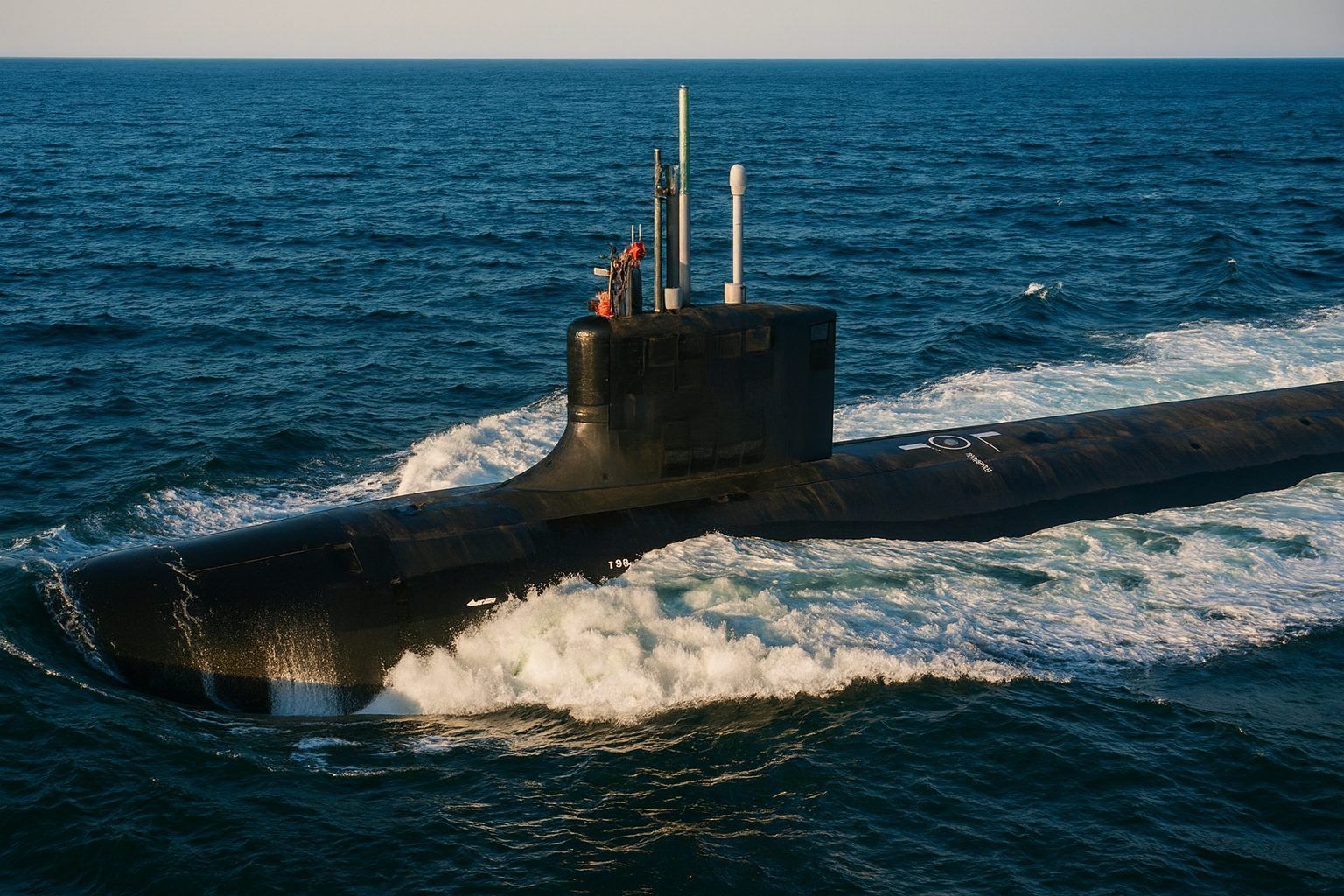
Multiple reports and official statements indicate that the initial phase of ShipOS will focus on the submarine industrial base , which supports the Virginia-class and Columbia-class nuclear submarines.
Key elements of the rollout include:
- Four public Navy shipyards (such as Portsmouth Naval Shipyard and others)
- At least two major private shipyards , including General Dynamics Electric Boat and HII’s Newport News Shipbuilding, involved in pilot deploymentsUSNI News+ 2US Navy+ 2
- More than 100 suppliers feeding the submarine programs with critical components and materialsThe Wall Street Journal+ 2Investing.com+ 2
The Wall Street Journal and other outlets describe ShipOS as a large‑scale supply‑chain and maintenance management effort for the Navy’s nuclear submarine fleet, designed to let the service see—in one place—where parts, workers and workloads are piling up.
Contract value and structure
The deal is valued at $448 million , framed by the Navy as a “strategic investment” in AI and autonomy for the broader maritime industrial base rather than as a point solution.USNI News+ 2Mirage News+ 2
The program is managed by the Maritime Industrial Base (MIB) Program in collaboration with Naval Sea Systems Command (NAVSEA), under the umbrella of the Department of the Navy’s Rapid Capabilities Office.
The Navy says productivity gains and schedule improvements are expected to offset much of the up‑front investment over time through reduced delays, higher output and more efficient use of labor and materials.
Pilot results: hours to minutes, weeks to an hour
Before committing hundreds of millions of dollars, the Navy and Palantir tested ShipOS‑style capabilities in pilot projects that offer a glimpse of what they hope to scale.
According to the Navy’s own summary of these pilots:US Navy+ 1
- At General Dynamics Electric Boat , submarine schedule planning that used to require around 160 manual hours was cut to under 10 minutes using AI‑driven tools.
- At Portsmouth Naval Shipyard , material review and analysis that previously took weeks could be done in less than an hour .
Separate investor and media reports, drawing on these pilots and other Palantir case studies, point to even more dramatic productivity anecdotes—for example, converting thousands of “production days” of planning into a small fraction of that time and slashing tasks that once took hundreds of hours down to seconds. These appear to be illustrative of what the Navy hopes to achieve rather than guaranteed outcomes across every yard.New York Post+ 1
The Pentagon is effectively betting that scaling those kinds of gains across the submarine supply chain will free up enough capacity to deliver more boats, faster — without building entirely new physical shipyards.
A stressed industrial base – and a race with China
The urgency behind ShipOS is rooted in a simple, uncomfortable comparison: US shipyards produce only a fraction of the warships that Chinese yards can launch each year.
Recent reporting highlights several pressure points:Axios+ 2USNI News+ 2
- The Columbia‑class nuclear submarine , one of the Navy’s most important programs, is facing schedule risks and delays.
- Design complexity and rising costs have contributed to cancellations and re-designs in other ship classes, such as the Constellation-class frigates.
- The Navy’s four public shipyards are aging and heavily loaded with maintenance on carriers and submarines, leaving little slack for surprises.
At the same time, President Trump and Navy Secretary John Phelan have been promoting an expansive “ Golden Fleet ” concept—an envisioned expansion of US maritime power, potentially including larger surface combatants and additional ships backed by a hemispheric “Golden Dome” missile shield. Details remain sparse, but ShipOS is widely seen as one of the tools that would be needed to make any such fleet feasible within realistic budgets and timelines.Axios+ 2Axios+ 2
In other words, ShipOS isn’t just about fixing today’s backlog; it’s also about preparing the industrial base to absorb future demand if Congress and the White House fund more ships.
How ShipOS will change life in the yards
If it works as advertised, ShipOS could fundamentally change how managers, planners and workers experience the daily grind of building and maintaining submarines.
For planners and program managers
- Single source of truth: Instead of reconciling conflicting spreadsheets, ERP exports and emails, planners would see a unified view of which tasks are on track, which are at risk and why.
- Forward‑looking alerts: AI models would flag potential schedule slips months in advance—for example, warning that a part shortage at a small supplier will ripple into a major delay unless mitigated.
- Scenario analysis: Managers could compare different “what if” options—like accelerating one work package, moving a crew, or resequencing tasks—before making costly changes on the shop floor.MLQ
For engineers
- Faster approvals and fewer manual handoffs: Engineering change requests could flow through standardized digital workflows, with AI highlighting the parts of a design most likely to cause rework or clash with existing layouts.
- Better reuse of lessons learned: ShipOS can capture patterns from previous builds—such as recurring problems in a particular section of a hull—and surface those insights when similar designs are proposed.
For suppliers and small businesses
The Navy says ShipOS will extend to critical suppliers , not just the big yards, letting them see demand signals, quality feedback and schedule expectations earlier.
For small firms that often struggle with government paperwork, the promise is clearer communication and more predictable orders—although it will likely also demand higher data standards and digital integration than they’ve had to meet in the past.
“Software alone won’t fix the shipyards”
Even as they all ShipOS, Navy and industry officials are careful to caution that AI is not a magic wand .
Axios’ reporting on the ShipOS rollout notes that many of the problems plaguing US shipyards are stubbornly physical: aging facilities, workforce shortages, complex designs and fragile supply chains that software alone can’t rebuild.
ShipOS is best understood as a force multiplier for other investments, not a replacement for them:
- It can help prioritize which bottlenecks deserve scarce capital first.
- It can make better use of existing workers by eliminating redundant manual planning work.
- It can reduce the number of unpleasant surprises that cascade into months-long delays.
But it cannot add new dry docks, train welders overnight or conjure new suppliers out of thin air. Those remain policy and budget decisions that Congress and the Pentagon will still have to confront.
The AI risk debate: Karp’s worldview meets Navy’s urgency
Palantir CEO Alex Karp has been unusually blunt about the geopolitical stakes of AI. In a recent Axios interview, he argued that the United States and its allies must be willing to absorb significant AI‑related risks in order to maintain technological and military primacy over rivals like China.
Karp has also pushed back on fears that Palantir’s technology is inherently a path to a “surveillance state,” insisting that the company builds systems with strict controls and that the greater danger lies in falling behind authoritarian competitors in AI.Axios+ 1
ShipOS brings that worldview directly into the heart of the US Navy’s industrial base:
- Massive data integration: To be useful, ShipOS must ingest vast amounts of operational and production data, raising inevitable questions about cybersecurity and data governance.
- Human‑in‑the‑loop vs. automation: The Navy portrays ShipOS as providing “AI power tools” to human workers rather than replacing them, but the line between assistance and automation will be tested as models improve.US Navy+ 1
- Trust and transparency: Yard workers, unions and local communities may need convincing that algorithmic recommendations are fair, safe and aligned with real‑world constraints on the shop floor.
For now, Navy leaders are framing ShipOS as a way to empower, not displace, shipbuilders—giving them better information and freeing them from the most tedious, spreadsheet-heavy parts of their jobs.
What this means for Palantir
For Palantir, ShipOS is both a prestige win and a lucrative federal contract that deepens its already extensive footprint inside the US government. The company has long provided battlefield and intelligence software, but in recent years it has aggressively pivoted into industrial and logistics applications.
Key business implications from the latest coverage:
- The Navy contract adds $448 million to a growing stack of federal deals; one recent tally estimates more than $1.9 billion in cumulative US government contract awards to Palantir since 2008.
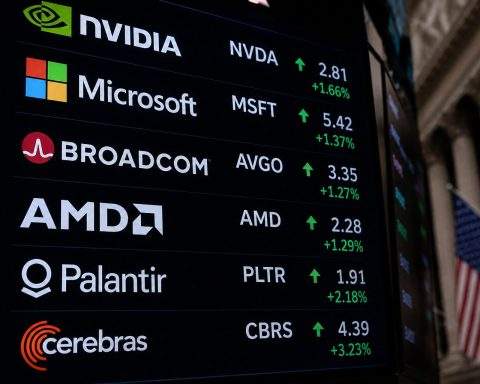
- Financial outlets report Palantir’s stock jumping after the ShipOS announcement, with shares trading around the low‑$180s and up roughly 150% year‑to‑date on broader AI optimism.
- Investor commentary frames the contract as proof that Palantir is becoming a default choice for complex government AI systems, from battlefield decision-support to infrastructure and now shipbuilding.
At the same time, the company remains a polarizing name on Wall Street, with many analysts still rating the stock a “hold” even as high‑profile investors make large bets on its long‑term role in AI infrastructure.Investors.com+ 2TipRanks+ 2
What to watch next
As of December 10, 2025, ShipOS is in the early rollout phase. The big story over the next 12–24 months will be whether the Navy and Palantir can translate pilot‑project wins into broad, measurable improvements across the submarine industrial base.
Key questions for the months ahead:
- Can ShipOS move the needle on submarine delivery timelines?
Congress and watchdogs will be looking for hard evidence—fewer late milestones, shorter maintenance availabilities and more predictable costs. - How quickly can small suppliers come on board?
Bringing hundreds of companies, many with limited IT staff, into a shared AI‑enabled environment will be a major change‑management challenge. - Will the model expand beyond submarines?
Officials have hinted that ShipOS could eventually support aircraft carriers, surface combatants and even aircraft sustainment if it proves its worth in the submarine community. - How will Congress respond?
The contract lands as legislators debate shipbuilding budgets, the Golden Fleet concept and the broader balance of spending between traditional platforms and emerging technologies.
If ShipOS delivers, it could become a template for how the Pentagon uses AI to modernize other parts of its vast industrial ecosystem. If it stumbles, it may become a cautionary tale about the limits of software in solving deep‑rooted capacity and workforce problems.
Related articles: NYSE:PLTR