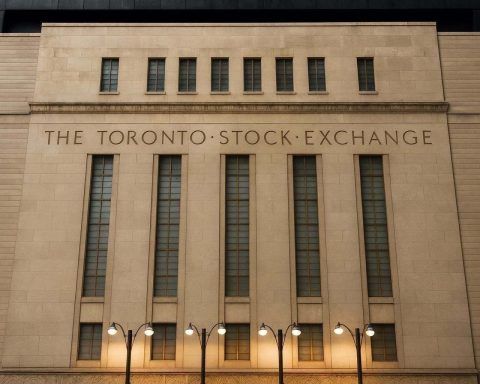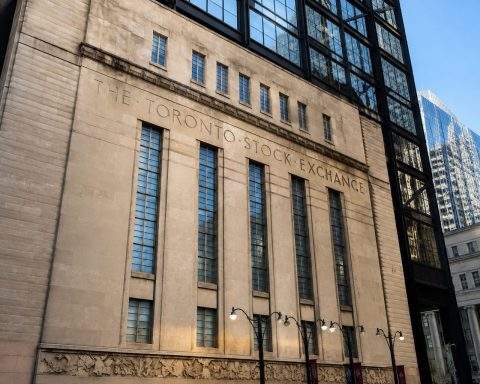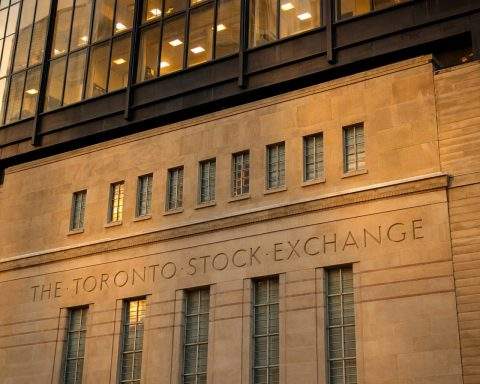

TORONTO – As Canadian investors get ready for the Toronto Stock Exchange to open on Wednesday, December 10, 2025, markets are staring down a rare double‑header of central bank decisions: the Bank of Canada in the morning and the U.S. Federal Reserve later in the day.
Here’s a detailed look at how futures, global markets, commodities and key stocks are setting up before the bell — and what to watch as policy makers take centre stage.
1. Pre‑Market Snapshot: TSX Futures Point to a Slightly Softer Open
Futures trading suggests a cautious tone in Canada before the open.
- The S&P/TSX 60 December 2025 futures contract is trading around 1,828, about 3–4 points below its previous settlement, implying a modestly negative start for large‑cap Canadian stocks.
- The move comes after a strong run in the cash market: the broader S&P/TSX Composite Index closed on Tuesday near 31,328, up roughly 158 points from Monday and hovering just below its recent record high around 31,541.
In other words, the TSX is entering this rate‑decision day from a position of strength, but futures indicate investors are trimming risk at the margins ahead of big macro headlines.
2. Why Today Matters: Bank of Canada Rate Decision at 09:45 ET
Policy rate: 2.25% and an aggressive cutting cycle behind us
The Bank of Canada (BoC) will announce its final interest‑rate decision of 2025 at 09:45 a.m. Eastern, followed by a press conference with Governor Tiff Macklem and Senior Deputy Governor Carolyn Rogers at 10:30 a.m.
- The policy rate currently stands at 2.25%, after the BoC delivered 275 basis points of cuts this year, one of the most aggressive easing cycles among G10 central banks.
- The last move was a 25 bps cut in October, which took the benchmark to 2.25%, its lowest level in three years.
Consensus: A long pause begins
Markets and economists are strongly aligned that no move is expected today:
- In a Reuters poll of 33 economists, all respondents said the BoC would leave the overnight rate unchanged at 2.25% on December 10, and a majority expect no further cuts until at least 2027.
- A separate survey of analysts sees a stable policy rate boosting housing, with home prices expected to gradually rebound after earlier declines.
CityNews and other Canadian outlets note that “most economists expect the bank will leave the benchmark rate unchanged” as economic indicators improve. CityNews Halifax
The data backdrop: surprisingly strong jobs and solid growth
Recent figures give the BoC cover to pause:
- Unemployment fell sharply in November to 6.5%, a 16‑month low, as the economy added 53,600 jobs — the third straight month of robust gains.
- Canada has created 181,000 jobs since September, reversing a stagnant labour market earlier in the year.
- Average hourly wages for permanent employees are rising at about 4% year‑over‑year, a key metric the BoC watches for inflation pressure.
- Q3 GDP surprised to the upside with an annualized 2.6% gain, and headline inflation eased to 2.2% in October, within the BoC’s 1–3% target band.
Economists at major banks argue that this combination of firmer growth, falling unemployment and inflation near target makes further near‑term cuts unlikely; some even see the next move being a rate hike in 2026 if the economy continues to surprise on the upside.
Why this is crucial for TSX traders
For the TSX, today’s BoC decision is less about the rate move (which is almost certainly “no change”) and more about the tone of the statement:
- A dovish hold (emphasising downside risks and openness to further easing) would typically support rate‑sensitive sectors like utilities, REITs, high‑yield telecoms and long‑duration growth stocks.
- A neutral hold that stresses patience and data‑dependence would likely keep focus on fundamentals: earnings, commodities and global growth.
- A hawkish hold (talking about eventual hikes) could strengthen the Canadian dollar and support banks via better long‑term margin expectations, but might weigh on export‑oriented names and high‑valuation tech.
Expect elevated intraday volatility around 09:45–10:30 ET in big banks, insurers, REITs and the loonie‑sensitive exporters.
3. Fed in Focus: Global Markets Brace for a “Hawkish Cut”
Today isn’t just about Ottawa. It’s also Fed day south of the border.
Fed expected to cut — but guidance is the wild card
The Federal Reserve concludes its two‑day meeting later today. Markets are pricing in a widely expected 25 bps cut, which would mark the third rate reduction since September, bringing the fed funds range down from 3.75–4.00% to around 3.50–3.75%.
Analysts have warned that this could be a “hawkish cut” — a rate reduction paired with messaging that downplays further easing in 2026, given still‑elevated inflation and resilient U.S. data. Investing.com+2Investing.com+2
For Canadian investors, the Fed’s stance matters because:
- A more dovish‑than‑expected Fed tends to weaken the U.S. dollar, support commodities and favour risk assets globally — a sweet spot for the resource‑heavy TSX.
- A hawkish surprise could push global yields higher, pressure growth stocks and hit cyclical exporters, including many Canadian names tied into U.S. demand.
Overnight market moves: cautious, not panicked
So far, global markets are leaning toward caution rather than fear:
- In Asia, major indices were generally lower on Wednesday as investors waited for the Fed decision and digested fresh signs of deflationary pressure in China. Chinese benchmarks fell, with the CSI 300 and Shanghai Composite down roughly 0.7–0.9%, while Japanese stocks slipped amid concerns about sticky domestic inflation and potential BoJ tightening.
- Geopolitical tensions between Japan and China, including a spat over alleged targeting of Japanese aircraft radars, also weighed on risk sentiment in the region.
- On Wall Street, the S&P 500 and Dow closed slightly lower on Tuesday as the Fed kicked off its meeting, while the Nasdaq eked out a small gain.
- U.S. index futures in early European trade are modestly in the red, reflecting a wait‑and‑see mode rather than outright risk‑off.
The bottom line: global risk appetite is subdued but not collapsing, which helps explain why TSX futures are only marginally lower.
4. Commodities Check: Oil Steady, Gold Near High Levels, Silver Still Hot
With the TSX heavily exposed to energy and materials, the commodity tape is critical to the pre‑open picture.
Oil: WTI hovering near $58 amid oversupply worries
- WTI crude is trading just above $58 per barrel, according to futures quotes and institutional commentary early Wednesday, up modestly on the day but still near recent lows.
- Analysts say crude is “stabilizing around $58” as traders weigh oversupply concerns — including higher output from Iraq’s West Qurna‑2 field — against hopes that rate cuts could support demand in 2026. Investing.com+1
For Canadian markets, this mix suggests a mixed open for energy stocks: not a dramatic sell‑off, but little near‑term catalyst for a big rally unless Fed or BoC messaging weakens the U.S. dollar and boosts the demand outlook.
Gold and silver: shining, but sensitive to a hawkish Fed
- Gold futures are trading around $4,210–4,220 per ounce, slightly below recent highs after a strong multi‑month run powered by falling global rates and safe‑haven flows.
- Silver, which has been on a tear, is hovering near record highs above $60/oz, with strategists warning that a more hawkish Fed outlook for 2026 could finally trigger a correction.
Given that gold miners, utilities and financials led Tuesday’s advance on the TSX, precious‑metals names are likely to remain high‑beta plays on the Fed message tonight and the BoC statement this morning.
Crypto side‑note: Bitcoin near record territory
- Bitcoin is trading around $92,000–93,000, having climbed nearly 2% in the last 24 hours as crypto traders position for a potential Fed cut and lower real yields.
While crypto is still a niche risk asset for many Canadian portfolios, the risk‑on tone in digital assets is another sign that investors are betting on continued liquidity support, even as they hedge for a hawkish twist.
5. TSX Recap: Gold Miners, Utilities and Banks in the Driver’s Seat
The TSX heads into today’s session on the back of fresh gains and strong breadth.
Tuesday’s close: near records with broad participation
On Tuesday, December 9:
- The S&P/TSX Composite ended around 31,328, up about 158 points from Monday’s close of 31,169.97, according to market data cited by TechStock² and Investing.com.
- The index is less than 1% below its recent record high near 31,541 and has gained more than 25% year‑to‑date, outpacing major U.S. benchmarks thanks to strong performance in commodities and large Canadian banks.
- Market breadth was positive, with advancers outnumbering decliners 486 to 416 on the Toronto Stock Exchange.
Sector leaders and laggards
Big movers on Tuesday included: Investing.com+1
- Gold miners:
- Pan American Silver jumped over 11%, hitting an all‑time high.
- Aya Gold & Silver gained about 7.5%, and First Majestic Silver climbed more than 7%.
- Utilities & infrastructure:
- TransAlta surged roughly 7% following a long‑term tolling deal that improves revenue visibility, supporting the broader utilities group.
- Financials & tech:
- Brookfield Corporation and Manulife each gained more than 1%, benefiting from a steeper yield curve and expectations that a BoC pause will stabilize funding costs.
- Shopify advanced around 1.5%, part of a broader rotation back into growth names amid expectations that central banks are close to the end of their easing cycles.
On the downside:
- Ivanhoe Mines, Paramount Resources and Bombardier were among the notable laggards, losing between 4–5.5%.
This backdrop — gold and banks leading, cyclicals mixed — sets the stage for another session where macro headlines could amplify sector divergences.
6. Key Canadian Stories and Stocks to Watch Today
Beyond central banks, several Canada‑specific themes could influence trading.
1. Housing and bank stocks
With rates likely on hold at 2.25% and the BoC seen staying there for an extended period, housing and financials will be in focus:
- A Reuters poll suggests home prices, which have fallen about 3.2% this year, are expected to rise again in 2026–27 as low borrowing costs filter through and government housing initiatives ramp up.
- Analysts say the rate cuts already delivered, plus targeted housing investments in the latest federal budget, should gradually improve affordability and unlock pent‑up demand, even if supply challenges remain.
Expect traders to watch RBC, TD, BMO, CIBC, National Bank and Desjardins‑linked names, as well as mortgage‑sensitive REITs and homebuilders, for reactions to the BoC’s language on growth, inflation and financial conditions.
2. Teck Resources and the Anglo American saga
The Teck Resources / Anglo American merger story remains a medium‑term driver:
- Trading Economics‑linked commentary reported earlier this week that TSX futures slipped as investors positioned for BoC and Fed decisions, noting that Anglo American had withdrawn a controversial executive bonus proposal tied to its merger with Teck after investor pushback.
While the immediate futures move has faded, M&A headlines and any updates on shareholder votes could still inject volatility into Teck and related mining names.
3. Canadian Banc Corp. share split
A more niche but notable development for income‑focused investors:
- Canadian Banc Corp. announced plans for a Class A share split, effective following board and regulatory approvals, in a move aimed at improving liquidity and broadening its retail investor base.
Preferred‑share and split‑share vehicle investors may want to review the details once the effective date and ratios are finalized.
4. Space, utilities and tech as structural TSX themes
Stories such as MDA Space’s strategic partnership with the Canadian government and Telesat, and the inclusion of 5N Plus in the TSX Composite, underscore how space, specialty materials and infrastructure are gaining weight in the Canadian equity story.
These themes often respond to:
- Government policy and defence spending
- Long‑duration contracts and visibility of cash flows
- Broader risk appetite for innovation‑heavy sectors
On a day dominated by central banks, stock‑specific catalysts like these can still produce outsized moves.
7. Canadian Dollar: Stronger Loonie Adds Another Variable
The Canadian dollar has been firming into today’s BoC decision:
- Following the blockbuster November jobs report, the loonie rallied about 0.7% to around 1.385 per U.S. dollar (≈72 U.S. cents), its strongest level since late September.
A stronger CAD can be a double‑edged sword for the TSX:
- It helps importers and domestic‑focused names by lowering input costs.
- It pressures exporters and commodity producers whose revenues are largely denominated in U.S. dollars.
If the BoC leans more hawkish or signals confidence in the growth outlook, the loonie could extend gains, magnifying these sector effects.
8. What Traders Should Watch Into and After the Open
To navigate today’s session, keep a checklist handy:
- BoC Statement (09:45 ET)
- Does the Bank emphasise “data‑dependence” and patience, or hint at eventual hikes?
- Any revised assessment of growth, labour markets or housing?
- Reaction in Big Three TSX Pillars
- Financials: Banks and insurers tend to react quickly to any perceived shift in the rate path.
- Energy: Watch integrated producers and oil‑sands majors versus WTI’s move around $58.
- Materials: Gold and silver miners will be highly sensitive to yields and the U.S. dollar ahead of the Fed announcement.
- Cross‑border read‑through from U.S. tech and earnings
- Oracle and Adobe results, plus moves in U.S. mega‑cap tech, can spill over into Shopify, semiconductor‑related names and Canadian IT services stocks.
- Afternoon positioning ahead of the Fed
- Even after the BoC decision, traders may keep risk tight until Washington delivers its verdict later in the day. Expect late‑session swings as portfolios are rebalanced globally.
9. Final Thoughts: A High‑Stakes but Not High‑Panic Open
Heading into the open on December 10, 2025, the setup for the Canadian stock market looks like this:
- The TSX is near record highs, supported by strong bank earnings, resilient jobs, stabilising inflation and robust demand for gold and silver miners.
- TSX futures are slightly lower, reflecting healthy caution rather than fear as traders face synchronized decisions from the Bank of Canada and the Federal Reserve.
- Oil, gold and the Canadian dollar are all at levels that can amplify the impact of whatever the central banks say.
For investors, that means today is less about calling every tick and more about understanding the macro narrative:
A BoC that has likely finished cutting, a Fed that may be nearing the end of its easing cycle, and a TSX that’s already priced in a lot of good news.
As always, this overview is for information only and is not investment advice. Anyone trading around today’s decisions should consider their risk tolerance, time horizon and, if needed, talk to a qualified financial advisor.
Related articles: TSX