
TOKYO / SEOUL / HONG KONG / TAIPEI — Friday, Dec. 19, 2025 — AI stocks across Asia stock markets bounced on Friday, with investors buying back into chip and platform names after a bruising week for “AI trade” valuations. The rebound came as Japan delivered a widely expected Bank of Japan (BOJ) rate hike, global risk appetite improved on a U.S. inflation downside surprise, and a fresh U.S. policy headline on Nvidia chip sales to Chinainjected both upside optionality and new uncertainty into the region’s AI supply chain narrative. Investing.com Australia+2Reuters+2
Asia’s broader tone was constructive: Reuters reported Japan up about 1.3%, South Korea up about 0.8%, and Taiwan up about 1.3%, with the MSCI Asia-Pacific index higher as investors tracked a tech-led rebound on Wall Street.
Asia market snapshot: a tech-led rebound, but with policy and FX crosswinds
Friday’s trading had a familiar 2025 pattern: the AI theme drove the upside, while central bank policy and currency moves determined how much investors were willing to pay for growth.
Key regional signals reported during the session included:
- Japan: chip- and AI-linked shares led, even as bond yields edged higher into the BOJ decision.
- South Korea: the Kospi closed higher as “AI bubble” fears eased, though mega-cap chip names were mixed on the day. Korea Joongang Daily
- Greater China: mainland AI shares and Hong Kong tech majors ticked up, while investors weighed new Nvidia-China export policy headlines.
- Taiwan: stocks rose with the region, but FX headlines highlighted capital outflows and the sensitivity of Taiwan’s AI-heavy market to global risk sentiment.
The three forces moving AI stocks in Asia today
1) Rates: BOJ tightens again, but the market wants the “terminal rate” answer
The BOJ raised short-term rates to 0.75%, the highest level in roughly three decades—an outcome markets had largely priced in.
What mattered for AI equities wasn’t the hike itself, but whether this is “one more and done” or the start of a longer normalization cycle. Reuters noted markets were leaning toward only one additional hike to 1.0% in 2026, but also flagged the BOJ’s own estimated “neutral rate” range that could imply room to go higher over time. Reuters+1
For AI stocks, that distinction matters because higher terminal-rate expectations tend to compress valuations—especially for long-duration growth names like AI software, internet platforms, and high-multiple semiconductor equipment makers.
2) Fundamentals: AI infrastructure demand is pulling Asia’s “picks and shovels” back into focus
After a week of valuation jitters, investors rotated back into the simpler story: AI infrastructure still needs hardware, power, and data centers.
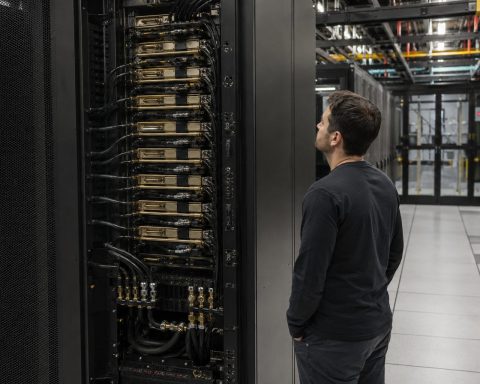
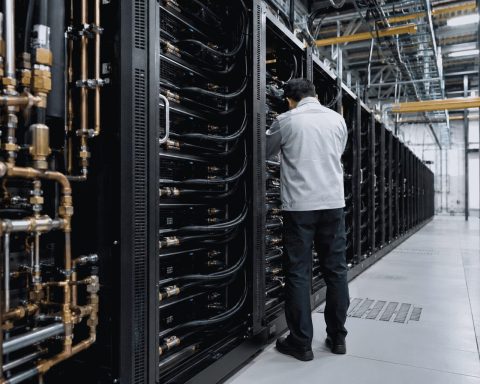
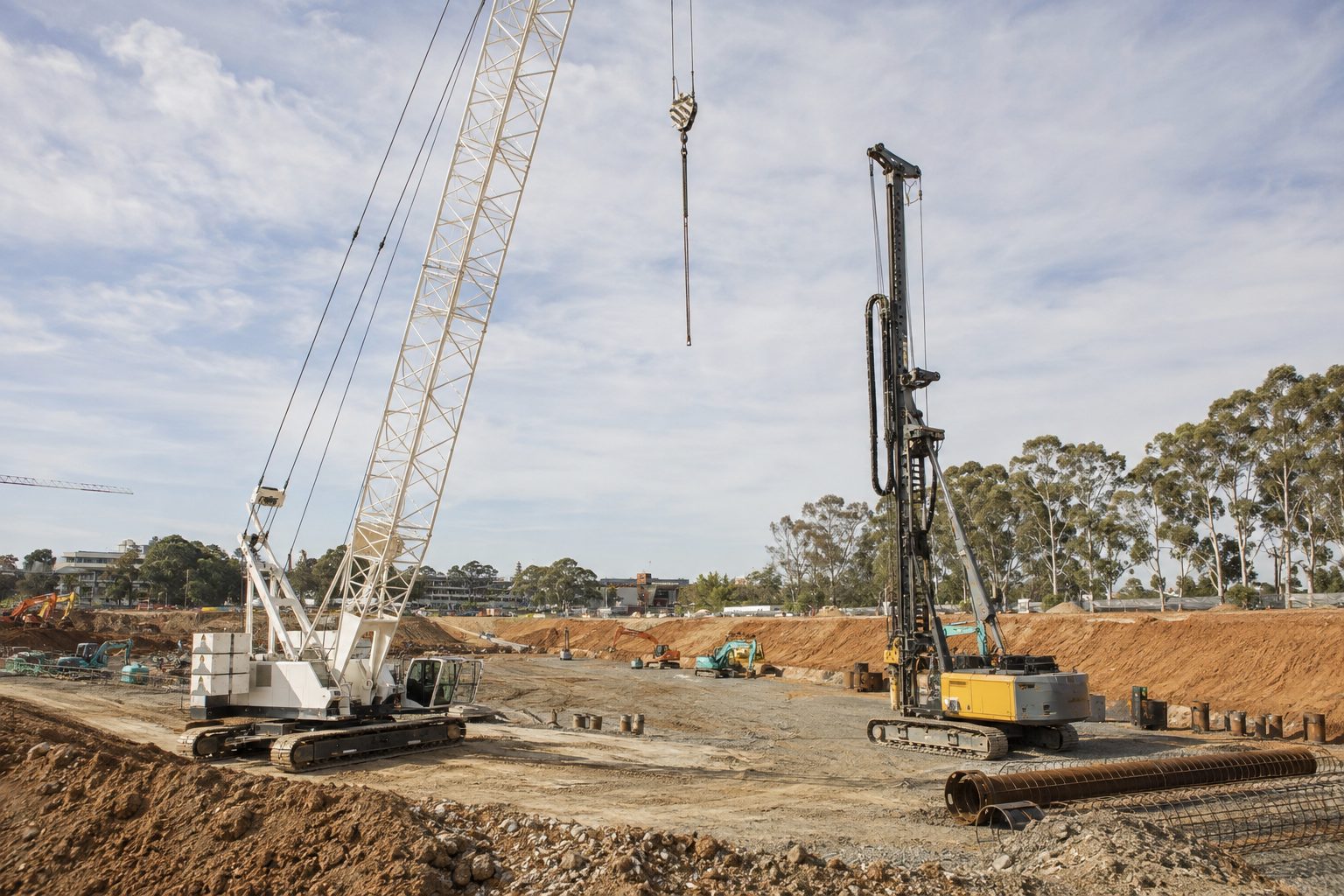
A standout Asia-specific development on Dec. 19 was Reuters’ report that Japan’s biggest data-centre hub is planned in Toyama prefecture, with a total power capacity of 3.1 gigawatts and a first phase supporting about 400 megawattstargeted to be ready by end-2028.
Crucially for investors looking for forward indicators, Reuters cited IDC Japan forecasting Japan’s data-centre market to almost double to more than 5 trillion yen by 2028, driven by cloud and AI services.
That kind of multi-year capex pipeline tends to support a wider basket than just “GPU proxy” stocks—think power utilities, grid and cable suppliers, real estate/infrastructure plays, construction, and specialized component makerstied to data-centre buildouts.
3) Geopolitics and export controls: Nvidia-China policy adds both upside and headline risk
The day’s most market-relevant policy headline for AI stocks in Asia came from Reuters: the U.S. launched an interagency review that could lead to the first shipments to China of Nvidia’s H200 AI chips, after President Donald Trump said earlier this month he would allow sales with a 25% fee collected by the U.S. government.
Reuters reported the Commerce Department sent license applications for review and that agencies have 30 days to weigh in, though the final decision rests with Trump.
For Asia markets, this headline cuts both ways:
- Bull case (near-term): easier access to high-end accelerators could revive parts of China’s AI data-centre spend, benefiting selected platform and supply-chain names (including some listed in Hong Kong and across Asia that sell into that ecosystem).
- Risk case: the same policy shift heightens geopolitical sensitivity, invites political pushback, and can change the competitive landscape for Chinese domestic chipmakers.
China-Taiwan tensions also stayed in focus. Reuters reported China warned it would take “forceful measures” following an announced $11.1 billion U.S. arms package to Taiwan. Reuters
Any escalation in rhetoric or policy tends to be felt quickly in Taiwan’s globally central AI hardware market via risk premium and FX moves.
Japan AI stocks: chip and AI-linked shares lead, with SoftBank and Fujikura in focus
In Tokyo, Reuters reported the Nikkei rose around 0.9% intraday, with buying “centred in high-flying chip and AI-related shares.” Notable advancers included:
- SoftBank Group up 4.6%
- Fujikura (a data-centre cable maker) up 3.8% Fidelity Fixed Income
The backdrop was the BOJ decision window and investors’ focus on guidance from Governor Kazuo Ueda—particularly the path toward a neutral rate.
Why it matters for AI investors: Japan’s AI trade is increasingly a blend of (1) semiconductor ecosystem exposure and (2) data-centre infrastructure exposure—so the Toyama hub plan adds a concrete, domestic catalyst to a theme that often depends on U.S. mega-cap capex headlines.
South Korea AI stocks: Kospi higher as “AI bubble” worries ease, but chips are mixed
In Seoul, Korea JoongAng Daily reported the Kospi rose 0.65% to 4,020.55, with investors encouraged by Micron’s earnings and a cooling U.S. CPI print (though analysts also noted data issues linked to the U.S. government shutdown).
Among notable moves cited:
- Naver +2.17%
- Kakao +1.93%
- Samsung Electronics -1.21%
- SK hynix -0.91% Korea Joongang Daily
FX is the second story for Korea’s AI equities today. Reuters reported the Bank of Korea announced temporary measures to boost onshore dollar supply after sharp won weakness, with the won hitting its weakest since April in the prior session and policymakers pointing to supply-demand imbalances tied to overseas investment flows.
For Korea’s globally exposed AI hardware champions, currency moves can affect:
- risk sentiment toward the market,
- foreign investor positioning,
- and (over time) earnings translation for exporters.
China and Hong Kong AI stocks: steady gains, but Nvidia policy looms large
In mainland China and Hong Kong, Reuters reporting carried by TradingView said AI shares onshore rose, while Hong Kong-listed tech majors gained as the region digested the Nvidia H200 policy shift and waited for additional domestic cues.
The same Reuters report noted chip shares were little changed after the Nvidia policy headline—an illustration of how investors are balancing:
- potential demand tailwinds for the broader AI ecosystem, against
- competitive pressure and strategic uncertainty for domestic chip efforts.
The Reuters China-market wrap also pointed to macro expectations shaping 2026 sentiment (including economist forecasts for next year’s growth), reinforcing that China’s AI stock performance remains tightly linked to the policy-and-growth outlook as much as to quarterly earnings momentum.
Taiwan AI stocks: rebound in equities, but FX and geopolitics raise volatility risk
Taiwan—often treated by investors as the global “AI hardware beta”—rose with the region on Friday, with Reuters citing a gain of about 1.3% in the session. Reuters
But the more distinctive Taiwan headline on Dec. 19 was the currency. Reuters reported Taiwan’s central bank eased restrictions on U.S. dollar sales by exporters after the Taiwan dollar weakened amid capital outflows linked to foreign investors selling Taiwan stocks. Traders said the existing cap was lifted to allow exporters to sell more than 10 “tranches” per day, with one tranche equal to $1 million. Reuters
Add in the day’s cross-strait headlines—China’s response to the U.S. arms package—and you get a clear reason why Taiwan’s AI-heavy market can rally on global tech strength yet still carry elevated headline risk into year-end positioning.
India and broader Asia: AI exposure widens beyond semiconductors
Not all “AI stocks” in Asia are chip manufacturers. A Reuters item on Dec. 19 highlighted how Asian capital is increasingly chasing AI-adjacent software and platform growth in private and public markets: Krafton, Naver, and Mirae Asset are launching a $666 million “Unicorn Growth Fund” focused primarily on Indian tech startups, aiming to begin operations in January 2026. Reuters
For listed markets, the takeaway is thematic: investors are broadening the AI playbook from GPUs and servers to applications, platforms, and digitization winners—even if that exposure arrives via funds, partnerships, or later IPO pipelines rather than immediate index heavyweights.
Forecast and outlook: what to watch after Dec. 19 for Asia AI stocks
Here are the catalysts most likely to shape near-term direction for AI-linked equities across Asia:
- BOJ guidance and yen direction
The hike itself was expected; the market focus is now the BOJ’s messaging on how far and how fast rates could approach neutral. That path can meaningfully influence valuations for Japan’s high-multiple AI and semiconductor names. - Nvidia H200 licensing timeline and political reaction
With agencies given 30 days to weigh in on license applications, traders may start pricing scenarios for China AI demand, supply chains, and geopolitical risk premia well before any final decision. - Asia FX management becomes part of the AI equity story
From Korea’s steps to boost dollar supply to Taiwan’s tweaks to exporter FX rules, policymakers are signaling they’re watching currency moves closely—important when foreign flows are so central to AI-heavy indices. - Data-centre buildout as the “second wave” AI trade in Japan
The Toyama data-centre hub plan and IDC Japan’s market growth forecast highlight why investors are increasingly scanning beyond chipmakers to the infrastructure layer—power, cables, utilities, and real assets that enable AI workloads. Reuters
This article summarizes key reported developments and market-moving analysis published on Dec. 19, 2025. It is for informational purposes and is not investment advice.
Related articles: NASDAQ:NVDA