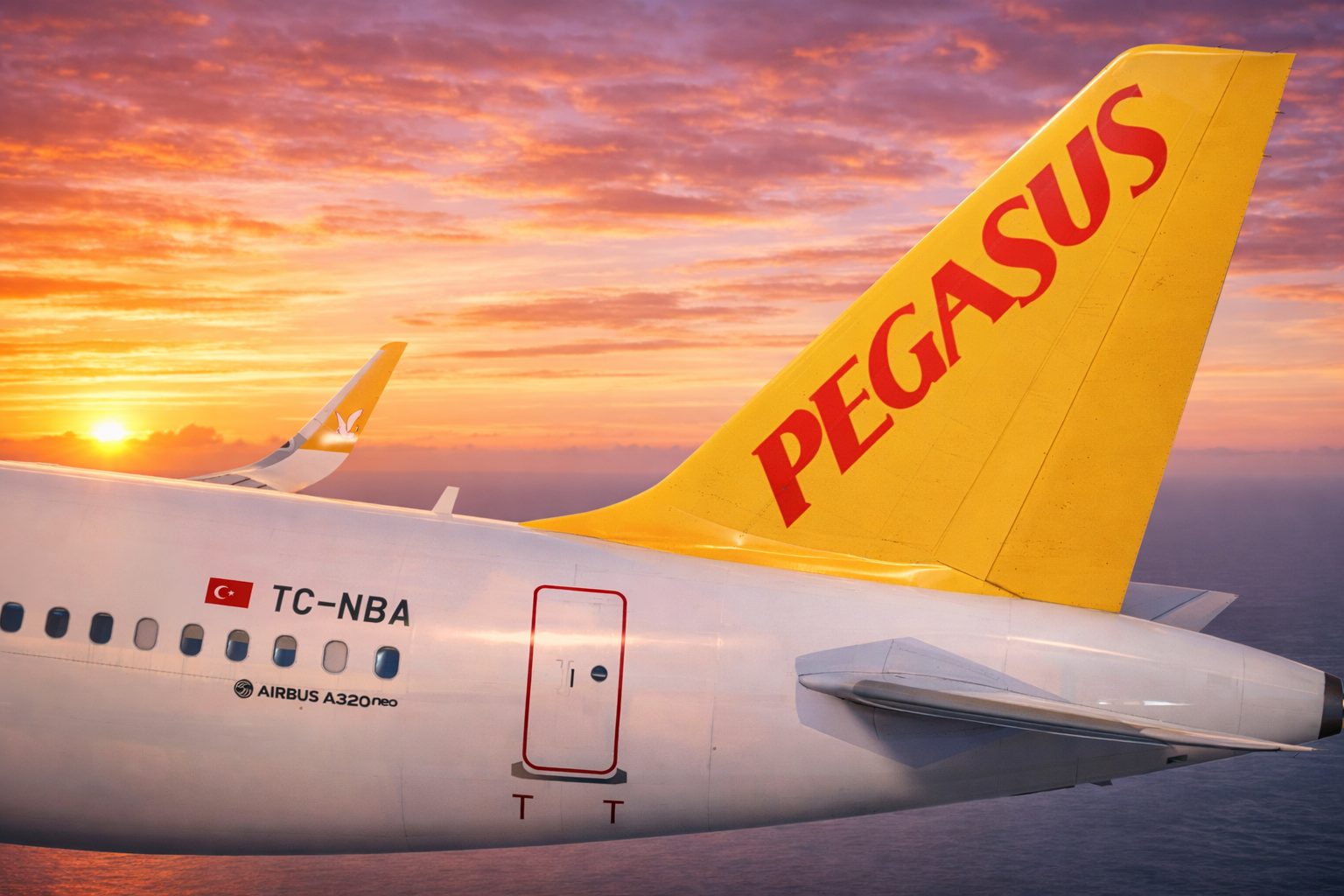

Chelsea Football Club and Turkey-based Pegasus Airlines announced a new global, multi-year partnership on December 23, 2025, naming Pegasus the club’s Official Airline Partner across both the men’s and women’s teams.
The agreement links one of the Premier League’s most internationally followed clubs with a fast-growing carrier that says it is expanding capacity, footprint, and brand reach in key overseas markets—especially the United Kingdom, which Pegasus described as a priority market with service to five destinations and additional growth plans.
What’s been announced on December 23, 2025
Both organizations positioned the partnership as a commercial and marketing collaboration designed to reach audiences well beyond matchdays in London.
Key points from the announcement:
- Pegasus becomes Chelsea FC’s Official Airline Partner in a global, multi-year deal.
- The partnership covers Chelsea FC Men and Chelsea FC Women.
- The companies say they will collaborate across key international markets with campaigns and experiences aimed at supporters and travelers.
While financial terms were not disclosed, the stated focus is clear: use Chelsea’s worldwide reach to increase Pegasus’s visibility as the airline accelerates its international growth strategy.
Why Pegasus–Chelsea is a meaningful sports-business pairing
The deal lands at a time when airlines continue to treat elite football sponsorships as a high-impact way to globalize brand identity. Chelsea offers a vast international fan base and year-round content output—two elements airlines value because the exposure extends far beyond stadium advertising.
Chelsea’s partnership sales director Oliver Boden framed the agreement as support for a carrier he said has shown strong momentum and ambition. In the club’s announcement, he highlighted Pegasus’s progress and the scale implied by its fleet expansion plans, calling the partnership an opportunity to “build a unique partnership together.” Chelsea FC
From Pegasus’s side, Onur Dedeköylü, listed by Chelsea as the airline’s chief commercial officer, emphasized alignment between Chelsea’s global following and Pegasus’s international reach, while underlining the UK as a growth market. “The United Kingdom is also an important market for us,” he said, citing service to five destinations and “further growth planned.” Chelsea FC+1
Pegasus’s pitch: digital-first airline, expanding network, growing brand
A central theme of the announcement is Pegasus’s business model and network scale.
Chelsea’s statement described Pegasus as a scheduled carrier since 2005, built around a cost-effective, digital-first model, and said the airline now serves 158 destinations in 55 countries with one of the youngest and most fuel-efficient fleets.
Turkish business coverage echoed that framing, describing the partnership as a new phase in Pegasus’s “global brand journey” and saying the airline aims to roll out innovative communication campaigns in priority international markets supported by Chelsea’s global audience. Investing.com Türkiye
The UK angle: why this market keeps coming up
For Pegasus, highlighting the UK in the launch messaging is not incidental. Football partnerships are often activated where audience concentration, inbound/outbound travel demand, and brand competition are strongest—and the UK is one of Europe’s most valuable aviation markets.
Dedeköylü’s emphasis on the UK suggests two strategic goals:
- Brand lift among UK-based travelers, including football fans who may travel for matches, city breaks, or connections onward through Pegasus’s network.
- Route and frequency growth, as the airline signals expansion plans tied to demand and fleet availability.
In practical terms, this is where sponsorships can move from “logo visibility” to revenue-driving action: co-branded offers, match-related travel content, and fan experiences that link directly to booking behavior.
A bigger growth story behind the sponsorship
Chelsea’s announcement explicitly tied the partnership to Pegasus’s wider expansion program—most notably a major aircraft order and a recently signed acquisition agreement in Central Europe.
Boeing aircraft order: 200-plane agreement, deliveries from 2028
Pegasus previously announced what it called the largest order in its history: an agreement with Boeing for 200 Boeing 737-10 aircraft—with 100 firm orders and 100 options—and deliveries scheduled to begin in 2028.
The airline also cited sustainability and efficiency in that announcement, describing the order as part of a longer-term growth and fleet modernization strategy.
Central Europe push: €154 million agreement for Czech Airlines and Smartwings
Earlier in December, Pegasus announced it had signed an agreement to acquire Czech Airlines (CSA) and its subsidiary Smartwings in a transaction valued at €154 million, subject to regulatory approvals and other conditions.
Pegasus’s press release described the deal as a step to strengthen its presence in Europe and support continued global expansion, noting Smartwings’ leisure-travel position in the region.
Reuters’ reporting on the acquisition added that the total value included debts and that completion was expected in 2026, pending approvals in countries where the Smartwings group operates.
Taken together, these moves help explain why Pegasus would invest in a globally visible football partnership now: the airline appears to be preparing for a period where it will have a larger platform—operationally and geographically—and wants brand awareness to rise in parallel.
What Chelsea likely gains from an “Official Airline Partner”
Chelsea has not detailed operational elements (such as team travel arrangements) in the announcement, but “official airline partner” deals typically deliver value in three areas:
- Commercial upside: sponsorship fees and co-marketing budgets.
- Fan engagement: travel promotions, competitions, hospitality tie-ins, and destination-led content.
- Tour and event logistics: potential support around pre-season travel and international activations (where applicable).
Chelsea’s statement focused on international collaboration and supporter experiences, indicating the partnership is designed to be activated across markets rather than limited to stadium branding.
Market reaction: Pegasus shares snapshot on the day
The announcement was carried in Turkish financial media on December 23. In Investing.com Turkey’s coverage, Pegasus’s Istanbul-listed shares (PGSUS) were shown down 1.29% at the time of publication.
That single datapoint doesn’t indicate how investors will judge the partnership longer-term—especially since commercial terms were not disclosed—but it illustrates how closely sports-business deals are tracked when airlines are publicly traded and expanding aggressively.
What happens next: watch the activations
The most important details now shift from “deal signed” to “deal executed.” If Pegasus and Chelsea follow the playbook suggested in their statements, the next wave will likely include:
- campaign rollouts in priority markets,
- digital content built around travel and fandom,
- supporter experiences tied to Chelsea’s match calendar,
- and brand visibility across Chelsea FC Men and Chelsea FC Women channels.
For Pegasus, this partnership arrives with a clear narrative: modern, digital-first airline; expanding fleet and footprint; and a push to win attention in competitive international markets—using one of football’s biggest global platforms to help power the next stage of growth.
Related articles: Business Partnerships