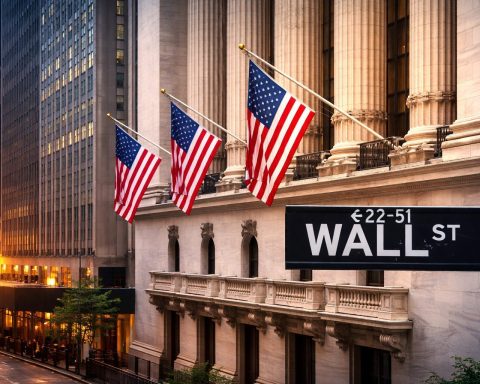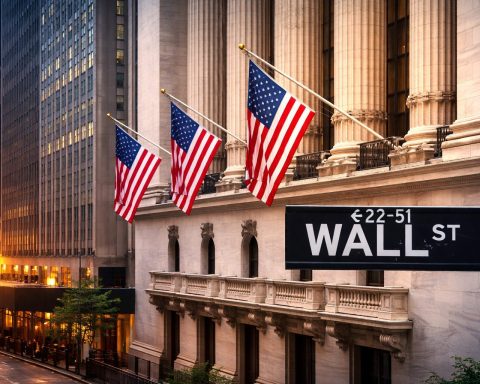

As of 5:01 p.m. ET on Tuesday, December 23, 2025, the Dow Jones Industrial Average (DJIA) finished modestly higher, extending the holiday-week rally even as investors digested a flood of delayed U.S. economic data and a renewed move up in Treasury yields. The Dow rose 79.73 points (+0.16%) to 48,442.41, while the S&P 500 gained 0.46% to 6,909.79—its latest record close—and the Nasdaq added 0.57% to 23,561.84.
Tuesday’s market tone was “risk-on, but selective”: big-cap growth and AI-linked names did much of the heavy lifting, while a large share of stocks lagged—an important detail for anyone tracking whether this rally is broadening or narrowing into year-end. AP News+1
What happened with the Dow Jones today
The Dow’s advance was modest in index terms, but the day’s narrative was anything but quiet:
- A stronger-than-expected GDP report helped reset the “soft landing vs. re-acceleration” debate.
- Treasury yields pushed higher, creating a familiar crosscurrent: higher rates can pressure rate-sensitive sectors, while simultaneously reflecting economic resilience.
- Mega-cap tech and AI names bounced again, keeping the broader market near (and now at) record levels.
And all of it unfolded against a seasonal backdrop of thinning liquidity, with investors looking ahead to the Christmas schedule and the market’s historically bullish “Santa Claus rally” window.
The key catalyst: Q3 GDP shocks to the upside
The biggest macro headline was the U.S. government’s first estimate that third-quarter GDP grew at a 4.3% annualized rate, well above economists’ expectations cited by major newswires. The upside surprise was driven in large part by robust consumer spending, which reinforced the idea that the U.S. economy entered the end of 2025 on stronger footing than many feared.
Why it mattered for the Dow (and the rest of Wall Street):
- Stronger growth tends to lift cyclical sentiment (industrials, financials, select consumer names—many of which are heavily represented in the Dow).
- But stronger growth can also keep inflation pressures alive, complicating the Federal Reserve’s path and potentially holding yields higher for longer.
Inflation and confidence added nuance to the “strong growth” story
Investors didn’t get a clean, one-directional macro message.
Alongside the strong GDP number, inflation data embedded in the GDP release pointed to continued price pressures: the Fed’s preferred inflation gauge (PCE) rose at a 2.8% annual pace in Q3, up from the prior quarter’s pace, according to AP reporting.
Meanwhile, consumer psychology showed strain. The Conference Board’s consumer confidence index fell to 89.1 in December, under expectations in a Reuters report, echoing the theme that households are still uneasy about jobs and income even in a growing economy.
This “hotter growth + sticky inflation + softer confidence” mix is one reason markets are increasingly treating 2026 as a year where the Fed’s decisions may be driven as much by the labor market and financial conditions as by headline growth.
Treasury yields rose, and the Fed-cut conversation shifted again
Bond yields moved up after the GDP release, underscoring the market’s sensitivity to any data that challenges the idea of imminent rate cuts. AP noted the 10-year Treasury yield ticked higher, and Reuters emphasized that yields rising helped shape sector performance and the growth-versus-value split.
On the policy outlook, Reuters reporting in currency markets captured the tone clearly: traders still expect easing ahead, but January is looking less likely, with LSEG estimates putting the odds of the Fed holding in late January at about 87%. Reuters also reported that U.S. rate futures point to the next easing around June, with two quarter-point cuts priced in for 2026.
For Dow watchers, this matters because many Dow components—especially in industrials, financials, and consumer sectors—often react sharply to changes in the expected path of rates and the dollar.
Dow drivers: Nvidia, banks, and blue chips did the lifting
Even though the Dow is a “blue-chip” index, it isn’t evenly balanced—and it isn’t weighted by market cap. Moves in a handful of high-impact components can swing the index quickly.
On Tuesday, Nvidia jumped about 3%, and Reuters described it as a major force behind the day’s gains, with other mega-cap leaders (including Amazon and Alphabet) also advancing.
A MarketWatch data note highlighted how concentrated the Dow’s move can be, pointing to Nvidia and JPMorgan Chase as key contributors during the session and explaining the point impact of component moves in a price-weighted index.
The takeaway: even when the Dow’s headline move looks “small,” the internal leadership can reveal whether investors are leaning into growth, defensives, or cyclicals—an especially useful read during low-volume holiday trading.
Standout single-stock headlines influencing sentiment
Beyond the Dow’s core leaders, several big stories shaped the broader tape:
- Novo Nordisk surged (about +7.3%) after U.S. regulators approved a pill version of Wegovy, a high-profile development in the obesity-drug market that lifted healthcare sentiment.
- Reuters noted ServiceNow slipped after agreeing to buy cybersecurity startup Armis for $7.75 billion in cash, one of the session’s notable deal headlines in large-cap tech.
Commodities and the “risk” message from gold, silver, and the dollar
One of the more distinctive themes of late 2025 has been the surge in precious metals, and Tuesday extended that storyline.
Investopedia reported that gold and silver futures hit fresh all-time highs again, while the U.S. dollar index weakened on the day—two signals that can reflect both inflation hedging demand and expectations that policy will ease over time.
AP similarly noted gold’s rise and stable oil prices, reinforcing that commodities remain central to the market narrative as investors debate whether the economy is slowing—or simply running hotter than expected.
Holiday schedule: why market moves can look “bigger” this week
Liquidity is a story in itself right now.
The NYSE confirms U.S. markets close early at 1:00 p.m. ET on Wednesday, Dec. 24, 2025, and remain closed on Thursday, Dec. 25, with normal schedules resuming afterward.
Reuters also pointed out that trading volumes have been running light as the holiday approaches—conditions that can amplify intraday swings and make index moves look more dramatic than they might during a normal week.
For investors tracking “Dow Jones today” headlines, the practical implication is simple: price action can be real, but less liquid—and that makes single-stock moves and macro headlines even more influential.
Outlook: Santa Claus rally begins, but the macro debate isn’t going away
With the S&P 500 now back at record territory and the Dow still positive on the year, investors are increasingly focused on whether late-December seasonality can carry indexes higher into early January.
Reuters referenced the widely followed “Santa Claus rally” window and noted that this year’s period begins Wednesday and runs through January 5. Reuters+1
But 2026’s bigger question may be whether markets are pricing the right macro regime.
A Business Insider analysis framed the GDP surprise as strengthening Wall Street’s “run it hot” thesis—an outlook where growth stays firm but inflation risks remain elevated, influencing how investors position across sectors and styles. Business Insider
For the Dow, that debate matters because:
- Higher yields / higher inflation risk can support parts of the Dow tied to real-economy activity (select industrials, financials), but
- can also pressure rate-sensitive segments and create sharper rotations beneath the index surface.
What Dow investors are watching next
With the Christmas schedule compressing trading, attention is likely to center on a short list of catalysts:
- Labor-market signals (including jobless-claims data highlighted in AP coverage) as the Fed weighs inflation risks against slowing employment trends.
- Rates and the dollar, especially if futures markets continue to pull expected easing later into 2026.
- Whether gains broaden beyond tech, as AP noted that big tech helped lift indexes even while many stocks fell—an important test of market durability into year-end.
- Retail participation and flows, a structural factor Reuters flagged as increasingly influential heading into 2026—particularly in popular mega-cap names and ETFs.
Bottom line on the Dow Jones Index today
At the end of Tuesday’s session, the Dow’s message was cautiously upbeat: stocks can rise even as yields climb, as long as investors believe growth remains intact and the Fed’s eventual direction is still toward easing—just not necessarily right away.
With the Dow up 13.9% year to date, according to AP’s tally, markets are now entering the most seasonally watched stretch of the calendar with a familiar mix of optimism, macro crosscurrents, and holiday-thin trading conditions.
Related articles: S&P 500