
AutoZone, Inc. NYSE:AZO finished the holiday-shortened Christmas Eve session with a modest dip—and very little after-hours drama—leaving investors with a familiar question heading into the next trading day: is this just quiet end-of-year tape action, or another sign that the post-earnings reset is still playing out?
Here’s what happened to AutoZone stock after the bell on December 24, 2025, the most relevant news and analyst updates published today, and what matters before the next time U.S. markets reopen.
AutoZone stock price after the bell: where AZO ended on Dec. 24
AutoZone stock closed at $3,456.02 on Wednesday, Dec. 24, 2025, down 0.22% on the day. The session’s reported range was roughly $3,447.01 to $3,479.73, with volume notably light at about 78.5K shares—a typical feature of holiday trading and an early close.
After the bell, trading activity remained muted. As of the last available update from market pricing data, AZO was still near $3,456, showing little to no deviation from the closing level.
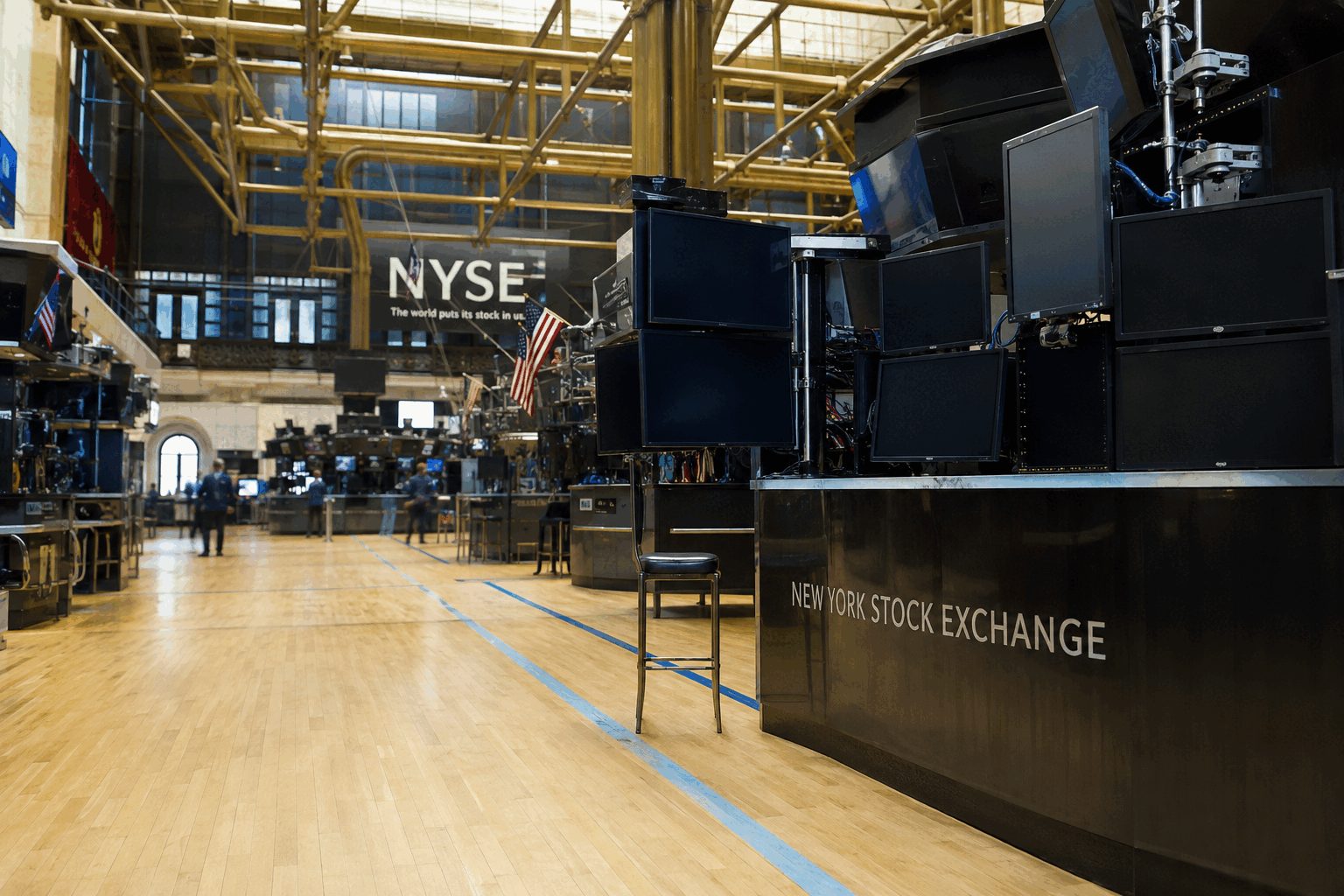
Why liquidity matters today: Christmas Eve is regularly a “thin” session, and in 2025 the NYSE’s core market closed early at 1:00 p.m. ET (with eligible options closing at 1:15 p.m. ET). Certain NYSE “late trading sessions” also close early (5:00 p.m. ET) on these special days. New York Stock Exchange
Important calendar note: the market does not open on Dec. 25
If you’re reading this thinking “tomorrow morning,” it’s worth being precise:
- Thursday, Dec. 25, 2025 (Christmas Day): U.S. markets are closed.
- The next regular U.S. equity session is Friday, Dec. 26, 2025. Reuters also highlighted that major U.S. exchanges operate as normal on Dec. 24 (with the scheduled early close) and Dec. 26 around the Christmas holiday period.
So the actionable “before the open” window is really about positioning ahead of Friday, Dec. 26—in a week where liquidity can remain patchy.
What moved AZO today? Mostly the tape, not headlines
There was no major AutoZone press release or earnings event dated Dec. 24. Instead, AZO’s slight decline looked more like a function of:
- a quiet, holiday-shortened market
- limited institutional activity in the open market
- investors continuing to digest December’s earnings and margin narrative (more on that below)
The broader market tone was constructive: major U.S. indexes were higher on the day in a generally upbeat session.
Today’s AutoZone news: 13F filings and institutional positioning headlines
The most “current” AutoZone-specific headlines published today were tied to institutional ownership filings (13F-related reporting). MarketBeat published multiple updates on Dec. 24 pointing to position changes reported for the prior quarter.
One example: Exchange Traded Concepts LLC disclosed an increase in its AutoZone stake (reported as +68.2% to 1,457 shares, valued around $6.25 million in the filing snapshot), and MarketBeat’s summary also pegged institutional ownership at about 92.74%.
Another MarketBeat item published today flagged other institutional and insider-related updates in the same vein (including references to recent insider transactions and the same institutional ownership figure).
How to interpret this (without overreacting):
13F headlines can influence sentiment, but they typically reflect prior-quarter positioning, not “fresh buys” executed today. The bigger takeaway is simply that AZO remains heavily institutionally owned, which can amplify both stability and sensitivity to analyst narrative shifts.
The bigger driver investors are still trading: earnings, margins, and buybacks
Even though it wasn’t “today’s” news, the market’s AutoZone conversation in late December still revolves around what the company reported earlier this month.
Key figures from AutoZone’s Q1 FY2026 results (reported Dec. 9)
AutoZone reported:
- Net sales of $4.6B (up 8.2% year over year)
- Diluted EPS of $31.04 (down from $32.52 a year earlier)
- Gross margin of 51.0%, down year over year, with the company attributing a major portion to a 212-basis-point non-cash LIFO impact
- Same-store sales detail included Domestic +4.8% and Total Company +4.7% (constant-currency table also provided) GlobeNewswire
Buybacks remain central to the AZO equity story
AutoZone’s repurchase program continues to be a defining capital-return feature:
- In Q1 FY2026, AutoZone repurchased 108,000 shares at an average price of $3,999, totaling $431.1 million, and reported $1.7 billion remaining under the authorization at quarter-end.
- Separately, AutoZone announced in October that its board authorized an additional $1.5 billion in repurchases, bringing total authorized repurchases since 1998 to $40.7 billion.
For many investors, the “AZO question” into year-end is whether the company can keep converting sales growth into profit growth while managing LIFO/tariff-related pressures—and continue shrinking share count at attractive levels.
Wall Street forecast check: where analysts see AZO going from here
Even on a quiet day, “what analysts think” tends to matter for a high-dollar, institutionally owned name like AutoZone—especially when the stock is still well below its 2025 highs.
Consensus price targets remain notably above the current price
MarketBeat’s compiled analyst snapshot shows:
- Average 12-month price target: $4,317.27
- High target: $4,800
- Low target: $3,678
- Rating mix that aggregates to a “Moderate Buy” style consensus view MarketBeat+1
Investing.com’s analyst consensus page (a separate compilation) similarly places the average target around $4,331, with a high estimate of $4,800 and a low estimate listed as $3,000.
A key recent downgrade-style signal: JPMorgan trims expectations
One of the most consequential recent notes in the last week came from JPMorgan (via TheFly/TipRanks). JPMorgan:
- cut its price target to $4,100 from $4,850
- kept an Overweight rating
- removed AutoZone from its Analyst Focus List
- cited softer sales vs. expectations, ongoing spending tied to accelerated store growth, and weather-related comparisons as potential headwinds into January TipRanks
That mix—still bullish rating, but less conviction and a sharply reduced target—helps explain why the stock can struggle to regain momentum quickly after earnings, even when the longer-term price-target math still implies upside.
Technical and positioning read into the next session
From a “where are we on the chart?” standpoint, today’s widely circulated technical observations were mostly about AZO being in a post-earnings consolidation.
MarketBeat’s data summary (published today in its filing-driven article) listed:
- 50-day moving average: ~$3,749
- 200-day moving average: ~$3,881
With AZO at $3,456, the stock is below both of those levels.
A technical-analysis piece published today also framed AZO as a potential “buy the dip” setup, describing a broad support/entry zone and outlining risk levels (typical of trading-oriented research). Whether you agree or not, it’s a reminder that AZO is increasingly being discussed as a “level-driven” stock right now, not a headline-driven one. DailyForex
What to know before the next market open (Friday, Dec. 26)
Going into the next session, here are the practical, high-signal items most likely to matter for AutoZone stock:
1) Expect thinner liquidity and faster moves than usual
The Christmas-to-New-Year stretch often brings lower participation, which can exaggerate intraday swings—especially in high-priced stocks where fewer shares trade hands. Today’s sub-100K share volume is a good example.
2) Watch for “macro tape” dominance
If there’s no new AutoZone headline, AZO can trade as a component of:
- broad consumer/retail sentiment
- cost inflation narratives (including tariff-related impacts)
- general risk-on/risk-off positioning
The market backdrop was positive on Dec. 24, but these conditions can flip quickly in thin weeks.
3) Analyst target changes can move AZO more than you’d think
With institutional ownership high, and the stock still digesting a big earnings reset earlier in December, incremental research updates can carry extra weight. JPMorgan’s target cut and focus-list removal is exactly the type of note that can dampen near-term momentum even if the rating stays positive.
4) Buybacks remain the “structural bid,” but timing is opaque
AutoZone’s repurchase activity is substantial (hundreds of millions in a quarter), and remaining authorization is still meaningful. But investors generally won’t know exact timing of day-to-day repurchase execution—so the market tends to reprice the stock based on quarterly disclosures and confidence in free cash flow durability.
5) The core fundamental debate: sales strength vs. margin pressure
AutoZone’s Q1 showed strong top-line growth and same-store sales gains, while profitability faced pressure tied to LIFO impacts and investment/spending dynamics. Whether margins stabilize (or not) will likely drive the next sustained trend more than any single holiday week session.
Bottom line for AutoZone stock heading into Dec. 26
AutoZone stock ended Dec. 24 at $3,456.02, a small decline in a quiet, holiday-shortened session. Investing.com The bigger story remains the same: markets are still calibrating how much to pay for AutoZone’s combination of steady demand, aggressive buybacks, continued store expansion—and periodic margin turbulence from items like LIFO and tariff-related cost pressure.
With Christmas Day (Dec. 25) a full market holiday and the next U.S. session on Friday, Dec. 26, the near-term setup is less about “what happens overnight” and more about whether thin liquidity amplifies moves around well-watched technical levels and any fresh analyst notes. New York Stock Exchange
This article is for informational purposes only and does not constitute investment advice.
Related articles: Earnings Reports