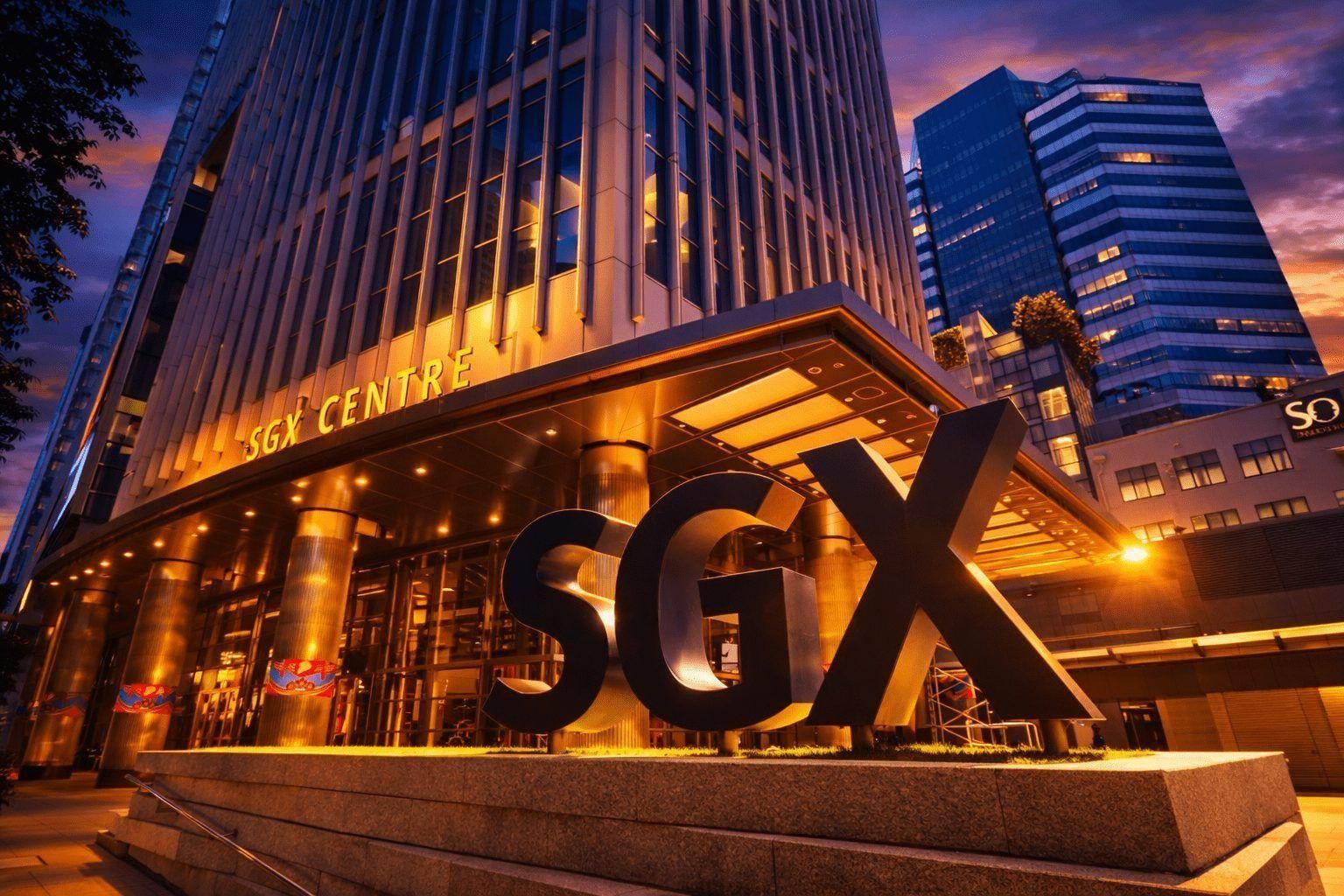
SINGAPORE — Friday, Dec 26, 2025 — Singapore equities return after the Christmas Day break with the Straits Times Index (STI) still near recent highs, inflation cooling and exports surprising to the upside. But the biggest “tell” for the opening tone may be the unusual post-holiday global setup: several major markets are shut for Boxing Day, while Wall Street reopens for a full session later tonight (Singapore time), potentially creating thin liquidity and outsized moves during Asia hours. Reuters
Below is what matters most before the Singapore stock market opens today.
Singapore market open: expect thinner liquidity and sharper intraday swings
The first trading day after a major global holiday often brings lighter volumes as institutional desks gradually return and cross-border participation is uneven. This year, that effect is amplified because Boxing Day closures keep parts of Europe and the Commonwealth market complex quiet, even as the U.S. is set to trade normally on Dec 26.
In practical terms for SGX investors:
- Price moves can look “bigger than the news” in the morning, especially outside the most liquid STI names.
- Index heavyweights (banks, large REITs, Singtel, etc.) are still likely to anchor direction, but second-line names can gap on relatively small orders.
- Watch for late-day positioning ahead of Wall Street’s post-Christmas session.
Market history is not a trading signal on its own, but U.S. market seasonality is being widely discussed into this session: market data trackers note Dec 26 has often been a reliably positive day for the S&P 500. That narrative can lift global risk sentiment—if early U.S. futures and FX flows cooperate.
STI snapshot: where Singapore stocks left off before the break
Singapore’s last session before Christmas was a shortened one, and the STI ended essentially flat-to-slightly lower at 4,636.34, down 0.06%, reflecting a market that was largely in “positioning mode” rather than repricing risk aggressively. The Business Times
A few telling details from that final pre-holiday trade:
- Market breadth was mildly positive (advancers outnumbered decliners), a sign of steady underlying sentiment even without strong index gains.
- Banks were mixed—a familiar pattern late in 2025 as investors balance strong franchise momentum with the reality of easing rates.
- Genting Singapore was among the most active counters by volume, a reminder that retail-friendly liquidity pockets can dominate headlines when institutional participation is lighter.
Zooming out, sell-side commentary and bank strategy notes in December have repeatedly framed 2025 as a breakout year for Singapore equities. DBS’ model portfolio commentary, for example, pointed to a strong year for the STI in total return terms (as of mid-December) and highlighted positioning into 2026 themes spanning large-cap “secular winners,” earnings recovery stories, and resilient yield. Com
Inflation check: November readings steady at 1.2%, keeping rate pressures contained
One of the cleanest “macro tailwinds” for Singapore risk assets into year-end has been benign inflation.
Official data for November showed:
- MAS Core Inflation: +1.2% y/y (unchanged from October)
- Headline CPI-All Items: +1.2% y/y (also unchanged)
The MTI/MAS joint commentary said the steadiness reflected offsetting forces—firmer services inflation balanced by softer retail goods inflation and a sharper decline in electricity and gas costs—while core prices edged down month-on-month.
Just as important for markets: official forward guidance did not signal an inflation problem re-emerging immediately. Singapore media reporting on the same release reiterated that core inflation is projected around 0.5% in 2025 and 0.5%–1.5% in 2026, with headline inflation also expected within 0.5%–1.0% (2025) and 0.5%–1.5% (2026) ranges.
Why it matters at the open
- REITs and other yield-sensitive stocks tend to respond positively when inflation stays contained and funding cost expectations ease.
- Bank stocks may face a more nuanced reaction: stable inflation can support credit quality and activity, but it also reinforces the “rates drift lower” narrative that pressures net interest margins.
Trade pulse: exports beat expectations, supporting the cyclical and electronics narrative
Singapore’s trade story has stayed resilient late in the year—particularly helpful for sentiment around cyclical names and parts of the tech/electronics supply chain.
According to the latest official trade release cycle:
- Non-oil domestic exports (NODX) rose 11.6% y/y in November, beating a Reuters-polled expectation of 7.0%, and following a revised 21.7% surge in October.
- The growth was driven by pharmaceuticals and electronic products (including integrated circuits and PCs), with stronger shipments to the U.S., the EU, and Taiwan highlighted in reporting.
- Enterprise Singapore narrowed its 2025 full-year NODX growth forecast to around 2.5% and sees 2026 export growth at 0%–2%, reflecting expectations that tariff impacts and front-loading dynamics could fade into next year.
Local coverage of the same data added color that electronics and non-electronics both expanded, with electronic NODX up 13.1% y/y, and noted NODX rising 4.8% for the first 11 months of 2025.
What to watch today
- Export strength can support sentiment in electronics-linked industrials and supply-chain names, but traders should be alert to the “good news vs 2026 caution” tension embedded in the official forecast revisions.
Bank stocks: DBS and OCBC near record territory; 2026 focus is margins vs fee momentum
Singapore banks remain the STI’s main steering wheel—and that influence is likely to be even stronger in a post-holiday session when investors default to liquid bellwethers.
In late-December analysis, DBS and OCBC were described as ending the year strongly, with both having traded around record levels and posting robust year-to-date gains. The same analysis highlighted that while headline earnings growth has been modest, sentiment has been supported by stable core earnings and stronger-than-expected non-interest income.
Key banking themes to keep in mind before the open:
- Net interest margin (NIM) compression has been a real 2025 drag, but analysts expect the pace of compression to moderate as deposit costs adjust and the rate environment stabilises.
- Non-interest income—especially wealth management—has been the bright spot, and it’s increasingly the swing factor for valuation support.
- Rate expectations matter: market commentary has pointed to Singapore Overnight Rate Average (SORA) easing meaningfully through 2025 and potentially declining further into 2026, albeit with limits to how far it can fall from already lower levels.
How this can trade today
- If the opening tone is risk-on, banks can still lead simply because they are the index’s most efficient “beta”.
- If rates drop sharply or the market pivots toward defensive yield, REITs may take the baton while banks consolidate.
S-REITs: office landlords back on the radar as rents and funding costs improve
REITs have had a clearer macro setup as the rate cycle pivots. Office REITs, in particular, have been getting constructive sell-side attention.
In December broker commentary:
- Analysts argued Singapore office S-REITs are seeing tangible improvement in capital management metrics as hedges mature and refinancing accelerates.
- Grade A occupancy was cited around the mid-90% range, with rents above S$12 psf per month referenced in CBD discussions.
- Expectations were for core CBD rents to rise, supported by a supply backdrop described as constrained versus demand for quality space.
- Keppel REIT was flagged by some analysts as a preferred name for potential rental upside and greater sensitivity to declining funding costs.
Watch points for today’s open
- Any shift in global bond yields (even on thin holiday liquidity) can move REITs quickly.
- In a quiet tape, investors often prefer higher-quality REITs with clearer refinancing pathways and defensible occupancy.
Index watch: STI quarterly review left constituents unchanged—flows still matter
A useful “plumbing” detail into year-end is that the latest STI quarterly review made no changes to index constituents, while reserve list adjustments were slated to take effect earlier in the week (start of business Dec 22). LSEG
Even without constituent changes, index mechanics can still influence trading:
- Passive and benchmark-aware flows tend to focus on banks and mega-caps during low-volume sessions.
- Reserve list and broader index attention can influence second-line liquidity—especially into year-end rebalancing periods.
Global cues: Wall Street reopens, commodities stay in focus, and Asia rates are back on screens
Because U.S. markets were closed on Dec 25, the most recent confirmed Wall Street tone investors can lean on comes from the Dec 24 session, when U.S. benchmarks finished higher going into the holiday.
For Singapore’s open, three global cross-currents are particularly relevant:
1) U.S. markets are open today (Dec 26)
Major exchanges have confirmed they are operating on schedule for Dec 26, which can pull global sentiment toward “risk-on” if early U.S. futures are constructive. Reuters
2) Commodities have been volatile around the holiday tape
Into the Christmas week, commentary noted oil near two-week highs and precious metals extending sharp gains, reflecting a market still highly sensitive to rates expectations and geopolitics.
3) Asia rate narratives aren’t uniform
Japan’s inflation backdrop remains firmer than many peers, keeping the possibility of further Bank of Japan tightening in focus—an important variable for yen moves, regional yields, and “Japan factor” flows in Asia. Reuters
What to watch at the SGX open: a practical checklist
If you’re tracking the opening tone in real time, these are the highest-signal items to monitor:
- STI direction in the first 15–30 minutes: does the index hold above the pre-holiday close area around 4,636, or fade on thin liquidity?
- DBS/OCBC/UOB tick-by-tick leadership: banks often set the day’s “risk appetite” early. The Business Times
- REIT bid strength: office and large diversified REITs can react quickly to any shift in rate expectations and year-end positioning.
- SGD and rate-sensitive proxies: stable inflation supports the “no renewed inflation shock” narrative, which can favour yield and quality factors. Reuters
- Export and cycle read-through: the strong NODX print supports sentiment, but official forecasts also warn of moderation into 2026—watch how cyclical names price that balance.
- Headline risk in a thin session: with parts of Europe closed for Boxing Day, price discovery can be noisier; sudden moves may reverse quickly.
Bottom line
Going into the SGX open on Dec 26, 2025, the setup is broadly constructive: inflation is steady and low, exports have surprised positively, and key Singapore sectors (banks and REITs) have clear late-year narratives. The main tactical risk is holiday-thinned liquidity—which can exaggerate both breakouts and fake-outs—while traders keep one eye on how Wall Street reopens later in the day.
Note: This article is for informational purposes only and is not financial advice.