
London — 25 December 2025. UK investors heading into Friday, 26 December 2025 should start with one practical reality: there is no standard London cash equity session tomorrow. From there, attention shifts to what’s been moving the FTSE 100, the pound, commodities and rate expectations into year-end — and what could matter most when trading resumes.
Is the UK stock market open on 26 December 2025?
No. The London market is closed on Boxing Day (Friday, 26 December 2025). Several brokers and market schedules list 26 December as a UK market closure, with UK equities not trading in the usual way on that date.
It’s also worth keeping the wider holiday timetable in mind because it can distort liquidity, spreads and price discovery even after the market reopens:
- 24 December: UK equities typically run a half-day / early close schedule (holiday-shortened trading).
- 25–26 December: UK markets closed (Christmas Day and Boxing Day).
- 31 December: another early close is widely flagged for UK markets.
Even with London shut, global markets (and some instruments linked to UK assets) can still move — meaning UK traders often return to a “catch-up” open once regular trading resumes.
Where the FTSE 100 left off before the break
In the shortened Christmas Eve session (24 December), UK equities were subdued:
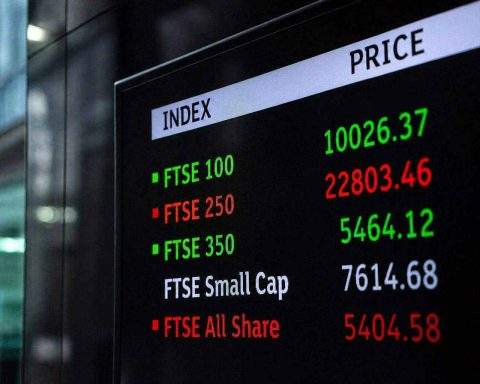
- The FTSE 100 closed down about 0.2%, with the FTSE 250 down roughly 0.07%, in quiet year-end conditions.
- Reuters also noted position-trimming in heavyweight pharma names (including AstraZeneca and GSK) during the truncated session.
- Despite the modest dip on the day, the index has been having a strong year: reporting around that session put the FTSE 100 up ~20%+ year-to-date.
Zooming out beyond the UK, the tone into year-end has been supportive for risk assets:
- On 24 December, the S&P 500 and the Dow ended at record closing highs in a light-volume, shortened U.S. session.
- European shares also finished the holiday-shortened week near record highs and were described as on track for their strongest annual performance since 2021, helped by easing rate expectations and sector rotation.
That global backdrop matters because a closed UK cash market doesn’t insulate UK-listed multinationals from moves in oil, metals, FX and U.S. equity sentiment.
The biggest UK single-stock headline into Boxing Day: BP’s Castrol deal
One of the most consequential UK corporate updates in the final pre-holiday window came from BP.
BP announced it has agreed to sell a 65% stake in Castrol to Stonepeak for around $6 billion, valuing the business at $10.1 billion. BP is retaining 35% in a joint venture structure, and the deal includes accelerated dividend payments while aiming to help reduce debt as part of a wider divestment plan.
Why it matters for UK market tone when trading resumes:
- BP is a major FTSE 100 constituent, so any repricing can affect index direction.
- The deal drew immediate debate: RBC analysts (per Reuters reporting) questioned the strategic logic of selling a “highly cash generative” asset, warning it could affect medium-term cashflows and dividend sustainability. Reuters
For investors building a post-holiday watchlist, BP is the kind of headline that can set the tone in thin liquidity — especially if it collides with fresh moves in oil prices (more on that below).
Bank of England: the rate cut is done — but the guidance stayed cautious
The Bank of England cut Bank Rate to 3.75% at its meeting ending 17 December 2025, by a 5–4 vote (published 18 December).
The BoE’s messaging has been central to UK asset pricing in the last week:
- The BoE noted inflation has eased and is expected to return toward target more quickly near term, while also highlighting subdued growth and signs of slack building in the labour market.
- The minutes also dig into wages: private-sector pay growth has been easing, but forward-looking indicators remained elevated enough to keep policymakers cautious about declaring victory.
Market reaction snapshots in the days around the decision reinforced that “cut, but don’t over-interpret it” dynamic:
- Reuters reported gilt yields moved higher after the decision, reflecting a perception the cut came with a relatively hawkish lean.
- Sterling held firm in the days after, with Reuters noting the BoE’s caution kept the pound supported versus peers.
Next BoE decision: the BoE page lists the next scheduled decision date as 5 February 2026.
UK inflation, jobs and spending: the domestic data shaping rate expectations
Inflation: falling, but services still sticky
The ONS reported CPI inflation at 3.2% in the 12 months to November 2025, down from 3.6% in October, with CPIH at 3.5% (down from 3.8%).
However, the composition remains important for the BoE:
- ONS data showed services inflation still elevated (easing only slightly), and core measures eased but remained above target-consistent levels.
Labour market: unemployment up, wage growth easing
The UK unemployment rate rose to a four-year high of 5.1% (Aug–Oct period), a figure that has been repeatedly referenced in market coverage as evidence of slack building.
Retail sales: a pre-Christmas wobble
Retail spending has been a notable soft spot:
- The ONS estimated retail sales volumes fell 0.1% in November 2025, following a fall in October.
- Reuters highlighted that economists polled had expected a rise, and the weakness added to signs of a slowdown heading into the budget period.
- PwC’s retail commentary underlined that while the monthly decline was less severe than October, the month-to-month comparisons around Black Friday timing can be tricky — and it also pointed to online share and category mix shifts.
Why this matters for UK equities: consumer-sensitive names in the FTSE 250 and FTSE 100 (retailers, general merchandisers, travel, leisure) can react sharply when liquidity is low — and traders may treat the next normal session as a chance to reprice “UK consumer” exposure.
Boxing Day retail is still a market theme — even with the market shut
While the stock market is closed, the real economy doesn’t pause. UK retailers are expecting Boxing Day spending of about £3.8bn, with online sales a key driver and value-seeking behaviour still prominent.
That matters because listed UK names tied to discretionary spending can move quickly when trading resumes, particularly if early read-throughs suggest:
- heavier discounting than anticipated,
- weaker footfall,
- or a larger-than-expected shift online.
Just remember: Boxing Day trading results don’t usually arrive as clean, immediate company statements. The market often trades on signals (industry trackers, press reports, channel checks) until formal updates follow.
Sterling near multi-month highs: helpful for inflation, tricky for exporters
Sterling has been one of the most important “hidden levers” for UK equities into the break.
Reuters reported that on 24 December, the pound briefly touched around $1.353 (a multi-month high) and was also firm against the euro, with thin holiday trading but a supportive BoE-driven narrative.
A day earlier, Reuters noted sterling near $1.352 and on track to end 2025 notably higher, as traders pointed to improved sentiment and GDP revisions alongside the BoE’s stance.
Why equity investors care:
- A stronger pound can dampen overseas earnings translations for multinational-heavy FTSE 100 constituents.
- It can also help the disinflation story, potentially supporting a gentler rates path.
- Sector impact can diverge: domestics vs exporters often trade in opposite directions when FX moves are sharp.
Oil and metals: the commodity cross-currents that could shape the next UK open
Oil: weak year-end tone
On the global stage, Reuters reported Brent around $62 on 24 December, with crude on course for its steepest yearly decline in five years and the dollar also on course for a big annual drop.
The International Energy Agency’s December oil market report adds longer-run context: it projected global oil demand rising to about 104.3 million barrels per day in 2026, with demand growth around 1.1%, while also pointing to supply-side dynamics that can keep the market sensitive to oversupply concerns.
For the FTSE 100, oil is never “just macro”:
- BP and Shell are index heavyweights.
- Lower crude can support some consumer-facing narratives (fuel, inflation expectations), while pressuring energy cashflows and buyback narratives.
Metals: strength feeding through miners
Reuters highlighted that in Europe, miners ticked up after record highs in multiple metals (including gold, silver, platinum and copper), with analysts pointing to macro forces supporting metals medium-term.
Gold specifically has been a standout: Reuters noted gold holding just below $4,500 after record levels, with very strong annual gains for precious metals.
This matters to London because miners and metals-linked names can drive outsized index moves — especially during periods when liquidity is thin and “big sector baskets” dominate flows.
What to watch when UK trading resumes: a practical checklist for investors
Even though 26 December is a non-trading day for UK cash equities, you can still prepare for the next session by focusing on the drivers most likely to gap UK prices:
1) BP reaction and wider energy sentiment
BP’s Castrol deal is a major headline with real index weight, and it may be judged against the direction of oil into year-end.
2) Sterling’s direction and “exporter vs domestic” leadership
Sterling’s multi-month strength has been a story into the break, tied to both BoE messaging and dollar weakness.
3) The BoE path into February: “cut, but cautious”
The BoE cut to 3.75% on a narrow vote and kept a cautious tone amid still-elevated services inflation and wage dynamics.
4) UK consumer signals: retail sales data vs Boxing Day expectations
ONS data shows November retail volumes fell, yet retailers are hoping for a strong Boxing Day. That tension is worth watching for UK consumer-linked names.
5) Global risk mood: Wall Street records, year-end seasonality, and thin liquidity
U.S. equities closed at record highs on 24 December, setting a positive tone — but holiday conditions can amplify moves on relatively small headlines.
Bottom line for 26 December 2025
For UK investors, the most important “before the open” point is simple: there isn’t a normal UK stock market open on 26 December because London is closed for Boxing Day. IG
But markets don’t stand still. The key inputs likely to shape the next UK session are already in motion: a BoE rate cut with cautious guidance, easing but still elevated inflation components, a labour market that’s showing more slack, sterling near multi-month highs, and a commodity split screen of soft oil vs strong metals — plus the global tailwind of U.S. equity records into year-end.
Related articles: LSE:AZN