
NEW YORK, Dec. 27, 2025, 1:41 p.m. ET — Market closed (weekend)
Basic materials stocks are heading into the final trading stretch of 2025 with fresh momentum—and it’s being driven less by company-specific headlines and more by a powerful macro cocktail: record-setting metals prices, expectations for easier U.S. monetary policy, and year-end market rotation into cyclical sectors.
In the most recent U.S. session (Friday, Dec. 26), trading was light after the Christmas holiday. The major indexes ended fractionally lower, but the market stayed close to record territory. In that subdued tape, the S&P 500’s materials sector stood out as the day’s top gainer—an important tell for investors watching whether the year-end “Santa Claus rally” broadens beyond mega-cap tech and into commodity-linked equities. Reuters+1
Below is what moved basic materials stocks in the past 24–48 hours—and what matters most before markets reopen Monday.
Copper’s record move puts miners back in the spotlight
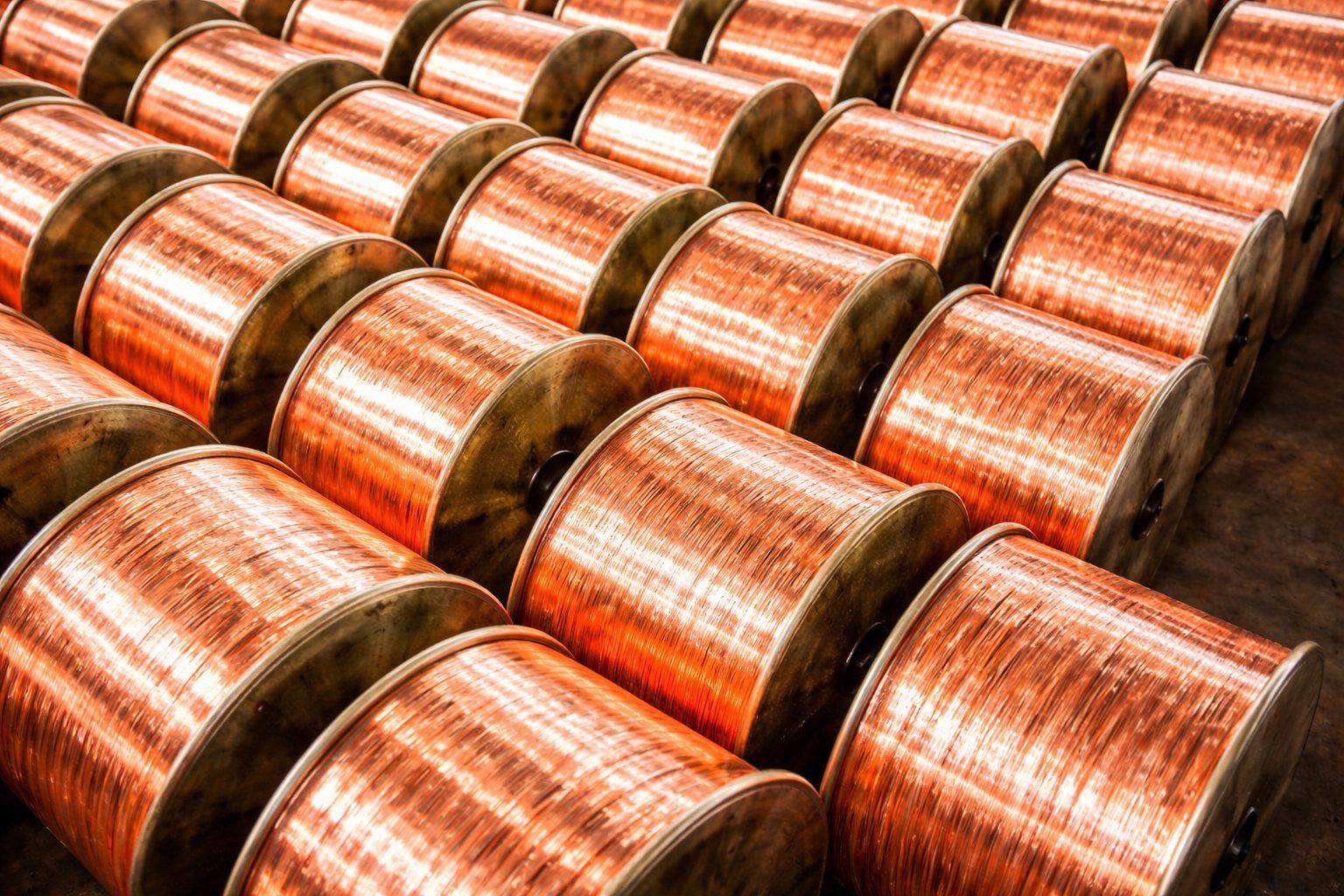
Copper—arguably the market’s most watched “real economy” metal—delivered one of the biggest catalysts for materials shares late this week.
According to Bloomberg, copper surged to a record in Shanghai and rallied sharply in New York, extending strong annual gains as traders priced in tighter global supplies in 2026 and the effects of a weaker U.S. dollar. Bloomberg reported Shanghai futures traded near 100,000 yuan a ton for the first time, while Comex copper in New York climbed as much as 5.6% intraday.
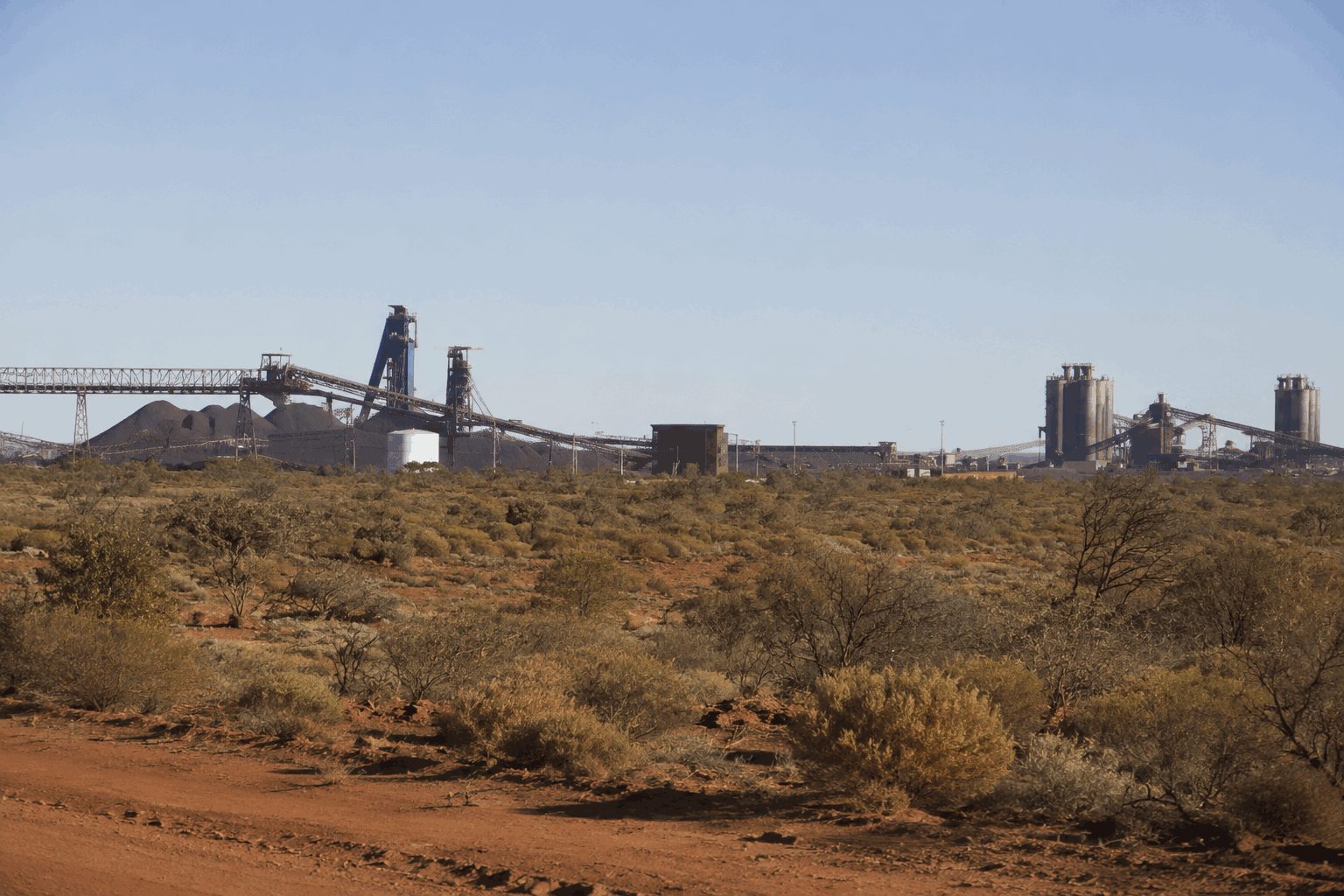
For equity investors, this matters because copper’s price action quickly filters into the sector’s leadership group—large-cap miners and producers with high operating leverage to metal prices, such as U.S.-listed copper names and diversified miners with meaningful copper exposure.
That relationship showed up immediately in Friday’s tape. Investopedia noted that Freeport-McMoRan was among the top S&P 500 performers on Friday as metals prices surged.
Why it matters going into Monday: copper’s late-year spike is happening in thin liquidity, when price moves can be amplified. That makes Monday’s reopen a key “reality check” for whether the rally is being confirmed by broader participation—or whether it fades when normal volumes return.
Precious metals are on fire—and that’s lifting gold and silver miners
While copper grabbed the industrial narrative, precious metals delivered the most dramatic headlines.
Reuters reported silver rose 9% on Friday to a fresh record high, with the metal pegged at $78.53 an ounce. The same report cited spot gold at an all-time high of $4,549.71/oz and platinum at a record $2,454.12/oz after a 10% climb; palladium rose more than 14% and was last around $1,924/oz.
For basic materials stocks, these numbers aren’t just “commodity chatter.” They directly affect cash-flow expectations for precious-metals miners (and in some cases streaming/royalty companies) and can shift investor flows toward the materials complex—especially when macro investors want inflation hedges or “hard-asset” exposure.
Reuters also captured how strategists are framing the move: Peter Grant, vice president and senior metals strategist at Zaner Metals, linked the volatility to expectations for further Fed easing, a weaker dollar, and geopolitical tensions—while cautioning about profit-taking risk into year-end.
On the equity side, the mining bid has been visible in bellwethers. MarketWatch reported Newmont closed at a new 52-week high on Friday, outperforming in a session when the broader market was slightly down.
The macro backdrop: rate-cut expectations and a weaker dollar are tailwinds for Materials
Materials stocks rarely trade in isolation. They tend to respond to two big macro levers: global growth expectations and the U.S. dollar.
In Friday’s global markets wrap, Reuters noted that expectations of Federal Reserve rate cuts and safe-haven demand helped push precious metals to all-time highs, while the broader U.S. market remained near record peaks. The same Reuters report highlighted that investors have been branching out into cyclical sectors including materials, broadening the upswing beyond mega-cap tech leadership.
A weaker dollar can be supportive for dollar-priced commodities (making them cheaper for non-U.S. buyers in local-currency terms), and easier financial conditions often help cyclical sectors—especially those tied to construction, manufacturing, and industrial capex.
That sector rotation theme is also showing up in “week ahead” positioning. In a Reuters preview, strategist Paul Nolte of Murphy & Sylvest said momentum remains with the bulls, while Glenmede’s Michael Reynolds pointed to the next release of Federal Reserve minutes as a potentially clarifying event for rate expectations. Reuters
Chemicals and specialty materials: quieter headlines, but still sensitive to oil and demand
Not every basic materials group is moving in sync. Metals and miners have been stealing the spotlight, but chemicals and specialty materials remain highly sensitive to input costs (often tied to energy) and demand signals across housing, autos, packaging, and industrial end markets.
In Reuters’ global markets wrap, oil prices were described as settling more than 2% lower, pressured by supply expectations and geopolitics—an input-cost dynamic that can matter for petrochemical margins, even if demand remains the bigger swing factor.
Individual chemical names also saw stock-specific moves in the quiet tape. MarketWatch reported Celanese rose on Friday and outperformed some peers in a generally flat market, though volumes were light.
The key takeaway: outside metals, investors may see more selective leadership—favoring companies that can protect margins and show resilient end-demand rather than those reliant on a broad industrial rebound.
What investors should know before the next U.S. session
Because it’s Saturday and U.S. equities are closed, the next “real” price discovery for basic materials stocks comes when the market reopens Monday, Dec. 29. Here are the big items to watch before the bell:
- Expect thin liquidity and headline-driven moves
Friday’s session was already low-volume post-holiday trading, and Reuters warned that year-end conditions can exaggerate swings. That dynamic can persist into the final sessions of the year—especially in high-beta areas like metals and miners. - Copper and precious metals are the near-term sentiment drivers
Copper’s record in Shanghai and surge in New York, plus fresh record highs across precious metals, have become the clearest catalysts for materials leadership going into week-end positioning and Monday’s reopen. - Fed minutes are the next major macro catalyst
Investors are laser-focused on when and how much the Fed may cut in 2026. Reuters flagged that minutes from the Fed’s most recent meeting are due Tuesday and may shed more light on the path ahead. For basic materials, the impact often runs through the dollar, real yields, and risk appetite. - Know the holiday schedule—liquidity matters as much as news
End-of-year trading conditions will remain unusual. Investopedia reported there will be a full trading day on New Year’s Eve (Wednesday, Dec. 31), while bond trading closes early at 2 p.m. ET; both stock and bond markets are closed on New Year’s Day (Thursday, Jan. 1, 2026). - Watch leadership breadth inside Basic Materials
If the rally is truly broadening, investors may see strength spread from gold/silver miners and copper producers into other basic materials groups—steelmakers, aggregates/construction materials, industrial gases, and select chemicals. If not, leadership may stay concentrated in the most commodity-sensitive names.
Bottom line
Basic materials stocks are ending 2025 with a clear catalyst stack: record-setting copper and precious metals prices, a rate-cut narrative that’s pressuring the dollar, and visible sector rotation that helped make materials the S&P 500’s best-performing group on Friday—even as the broader market barely moved.
With markets closed for the weekend, the next key moment is Monday’s reopen—when investors will find out whether Friday’s commodity-driven bid was a year-end liquidity phenomenon or the start of a more durable materials-led move into 2026.