
NEW YORK, December 30, 2025, 20:25 ET — Market closed.
- IonQ shares were last up about 0.2% at $45.31 after the close, after trading between $45.10 and $47.40.
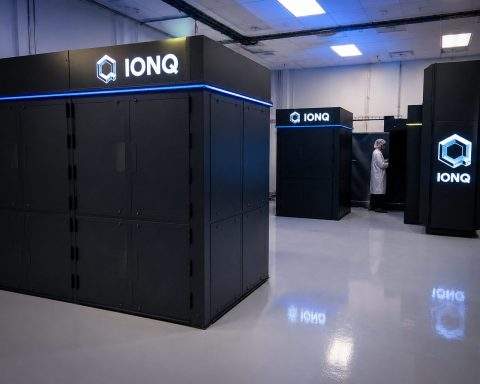
- The company said it finalized an agreement to deliver a 100-qubit Tempo quantum system to South Korea’s KISTI.
- Quantum computing stocks have swung sharply into year-end amid profit-taking and thin holiday liquidity.
IonQ Inc shares were last up about 0.2% at $45.31 after U.S. markets closed on Tuesday, as investors weighed a newly detailed system delivery agreement in South Korea. More than 13.5 million shares changed hands and the stock traded between $45.10 and $47.40.
The agreement lands at a sensitive moment for the quantum computing trade. Investors have chased commercialization milestones — and punished perceived slippage — because most companies in the space are still early in converting research wins into durable revenue.
Quantum “pure plays” have been volatile into year-end, with profit-taking and lower institutional participation amplifying moves, Investors.com reported. The outlet said D-Wave Quantum has led gains in 2025, while IonQ and Rigetti Computing also rose, even as the group remained well below its highs and faced competition from larger tech firms. Investors.com
IonQ said late Monday it finalized an agreement to deliver a 100-qubit Tempo quantum system to South Korea’s Korea Institute of Science and Technology Information (KISTI), to be integrated with KISTI-6 “HANGANG,” which the company called the nation’s largest high-performance computing cluster. The platform will be available through a secure private cloud, with KISTI leading the platform’s development and operation and Megazone Cloud named as a project partner. “This is a defining moment for both IonQ and South Korea,” Chief Executive Niccolo de Masi said; the company did not disclose financial terms. IonQ Investors
A qubit is the basic unit of information in a quantum computer, which relies on quantum mechanics to tackle certain calculations that can overwhelm classical machines. High-performance computing, or HPC, refers to the supercomputer clusters used for large-scale research workloads.
For IonQ, the South Korea deployment keeps attention on execution — not just benchmarks. Investors typically want clearer line-of-sight on delivery timelines and whether hardware placements translate into recurring usage and follow-on orders.
Tuesday’s price action also showed traders still treating IonQ as a high-beta proxy for sentiment in the quantum theme. Even modest headlines can move the stock when volumes thin out late in the year.
The $45 area is now in focus after Tuesday’s low near $45.10, while the $47 zone marks a near-term hurdle after the stock topped out around $47.40 in the session. A break in either direction can draw momentum flows as market makers adjust positions around year-end.
Before the next session on Wednesday, traders will be watching whether IonQ holds that $45 support and whether buyers can push it back through the mid-$47 area. Small-cap growth names can see exaggerated swings around the turn of the year as funds rebalance.
On the company calendar, Zacks’ earnings calendar lists IonQ’s next quarterly report date as February 25, 2026, though companies can change schedules.
That report is expected to refocus investors on bookings, delivery timing for systems like Tempo, and the pace of spending needed to fund IonQ’s roadmap. Until then, the stock is likely to trade on system-delivery headlines and broader risk appetite in speculative tech.
Related articles: NASDAQ:IONQ