NEW YORK, December 31, 2025, 16:25 ET
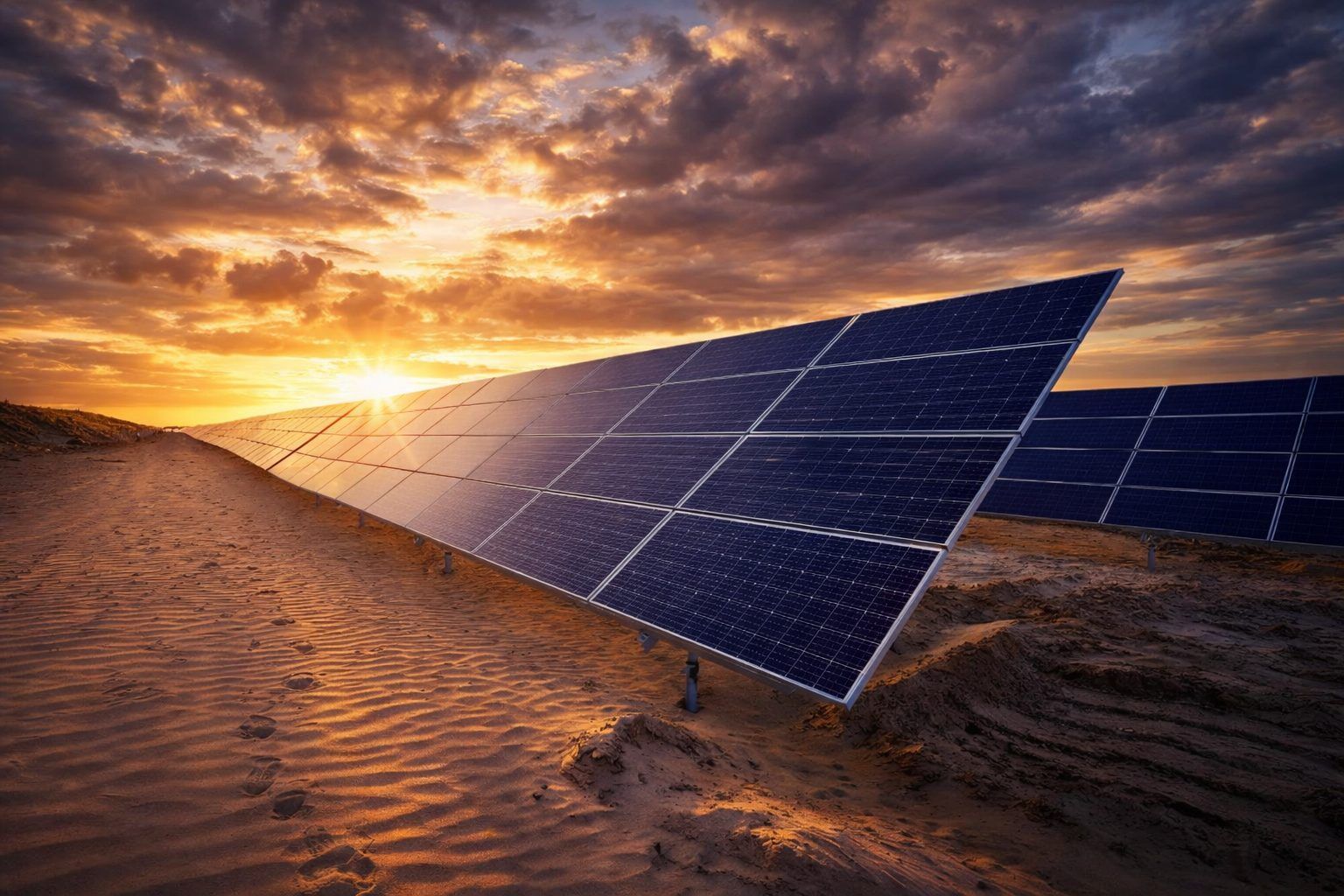
Bahrain’s Electricity and Water Authority has begun building a 100-megawatt (MW) solar photovoltaic (PV) power plant at Al Dur, targeting completion in the third quarter of 2026, PV Tech reported.
The plant is designed to add 100 MW of capacity using about 135,000 solar panels spread across two adjacent sites covering roughly 830,000 square metres, according to EWA. EWA said the project supports Bahrain’s National Energy Strategy target of getting renewables to 20% of the overall energy mix by 2035.
During the groundbreaking ceremony, EWA President Kamal bin Ahmed Mohammed said the project would help “reduce reliance on conventional fuels” as Bahrain pursues carbon neutrality by 2060. Renewables Now
Solar PV panels generate electricity directly from sunlight. A megawatt is a standard unit used to describe a power plant’s maximum generating capacity.
The planned grid link through a 66/11-kilovolt substation means the power will feed into the high-voltage network before being stepped down for wider distribution. Substations are the transfer points that help move electricity from generation sites into the grid.
Projects described as “grid-connected” deliver power into the national network, unlike many rooftop systems that primarily serve a single facility. That distinction matters because utility-scale output can contribute more consistently to system-wide supply.
For power planners, the main issue is balancing variable solar generation with demand while keeping the grid stable. That typically requires conventional generation, demand management, or storage to cover evening peaks.
Bahrain’s move comes as Gulf utilities and developers push solar buildouts alongside existing gas-fired fleets. The strategy aims to lower the amount of conventional fuel burned for power while keeping reliability intact.
In early December, Saudi power and water company ACWA Power and Bahrain’s government-owned Bapco Energies signed a joint development agreement for up to 2.8 gigawatts of solar paired with an integrated battery energy storage system to supply Bahrain, ACWA Power said.
A battery energy storage system stores electricity for later use, helping smooth swings in solar output when sunlight fades. At 2.8 GW, the proposed cross-border project would be far larger than the 100 MW Al Dur plant.
For Bahrain, delivering Al Dur on schedule would mark another step toward turning long-term targets into utility-scale generation connected directly to the grid.