
NEW YORK, January 2, 2026, 02:49 ET — Market closed
- Hong Kong’s tech-led rally is setting the tone for China internet names heading into the U.S. open.
- IPO headlines and macro data are back in the driver’s seat for risk appetite.
- Traders are watching U.S. manufacturing readings and next week’s payrolls for rate signals.
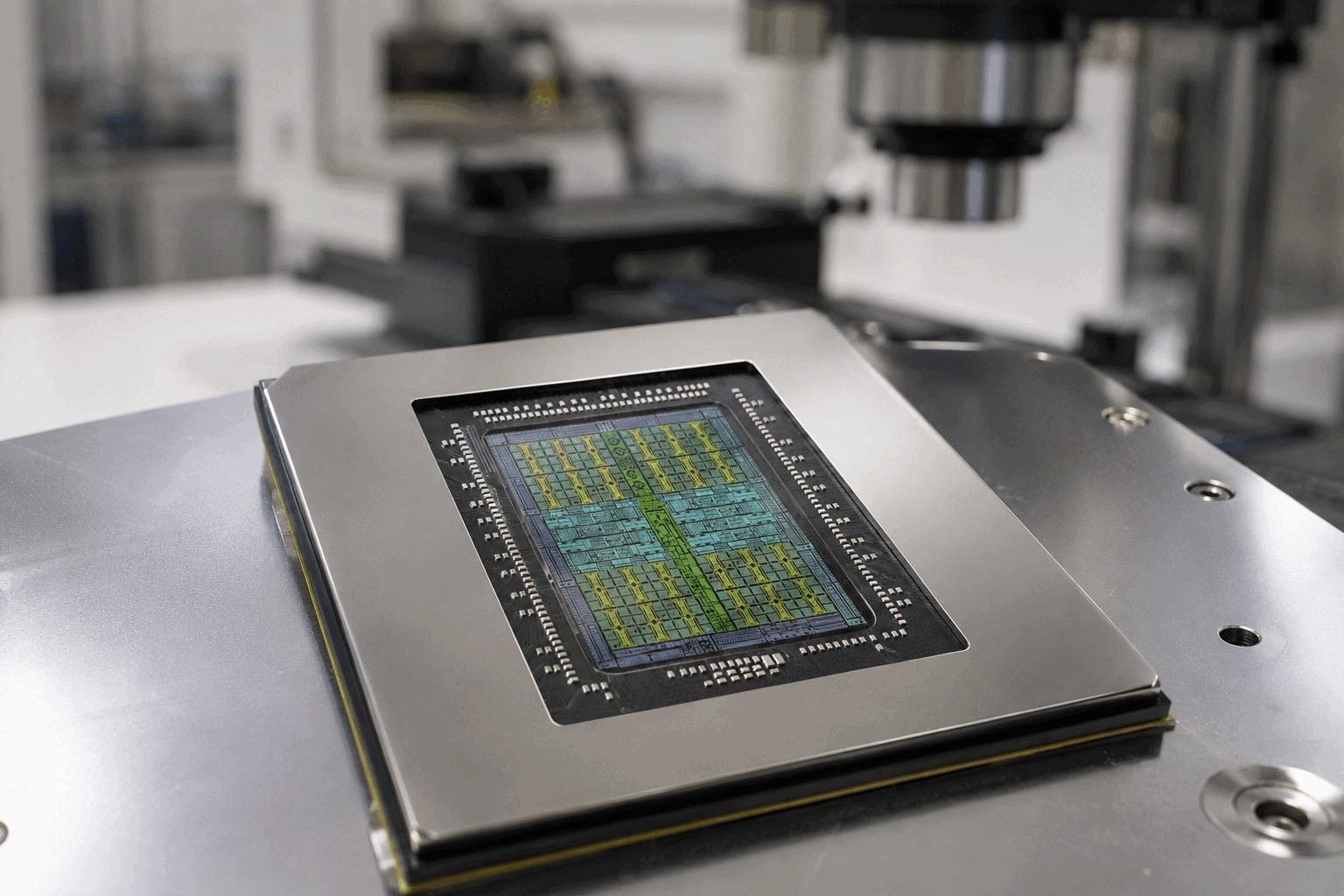
Alibaba Group Holding Ltd’s Hong Kong-listed shares were firmer on Friday after Baidu said its AI chip unit Kunlunxin confidentially filed a listing application with the Hong Kong stock exchange. The filing paves the way for a spin-off and IPO — a company’s first sale of shares to the public — in a sector China is trying to build up as Washington tightens export restrictions on advanced chips.
The move matters for Alibaba because its U.S.-listed shares are one of Wall Street’s most liquid ways to take a view on China’s consumer and tech cycle. Friday is also the first U.S. session of 2026 after the New Year’s Day holiday, a setup that can amplify the impact of overseas price moves.
Investors are testing whether the AI-driven bid in parts of the China tech complex can carry into the new year. At the same time, rate expectations remain a swing factor for high-duration stocks — shares whose value depends heavily on future earnings.
Hong Kong’s Hang Seng jumped 2.2% in early trading and Alibaba climbed 3.2%, while Baidu jumped 7.5%, the Associated Press reported.
In New York, Alibaba’s U.S.-listed shares (BABA) last closed at $146.58 on Dec. 31, down about 0.5%. The stock traded between $145.66 and $147.29 in that session.
A firmer tone in Asia has also been underpinned by signs of improving factory activity in key tech-exporting economies, helped by demand for AI-related products, Reuters reported, citing purchasing managers’ indexes (PMIs). PMIs are survey-based gauges of business conditions; “Exports from most countries have surged in recent months, and we think the near-term outlook for Asia’s export-oriented manufacturing sectors remains favourable,” said Shivaan Tandon, Asia economist at Capital Economics.
For Alibaba, the crosscurrents are familiar: AI optimism can lift the group’s cloud narrative, while pressure on discretionary spending and fierce e-commerce competition can cap enthusiasm. In practice, the ADR often trades as a proxy for broader China-tech sentiment, not just company-specific headlines.
Before the opening bell, traders will scan U.S. data for fresh clues on growth and rates, starting with the final S&P Global U.S. manufacturing PMI reading due at 9:45 a.m. ET.
Next on the calendar is the ISM manufacturing PMI on Monday, Jan. 5, at 10:00 a.m. ET, a closely watched survey that can move bond yields and the dollar.
The bigger macro test next week is the U.S. employment report on Friday, Jan. 9, at 8:30 a.m. ET, which often resets expectations for Federal Reserve policy.
On the company calendar, Wall Street Horizon lists Alibaba’s next earnings date as unconfirmed for Feb. 19, before the U.S. market opens, based on its historical reporting pattern. Technicians are watching whether BABA can regain $150 or breaks out of its recent range heading into that report.
Related articles: NYSE:BABA