CARACAS, January 3, 2026, 07:16 ET
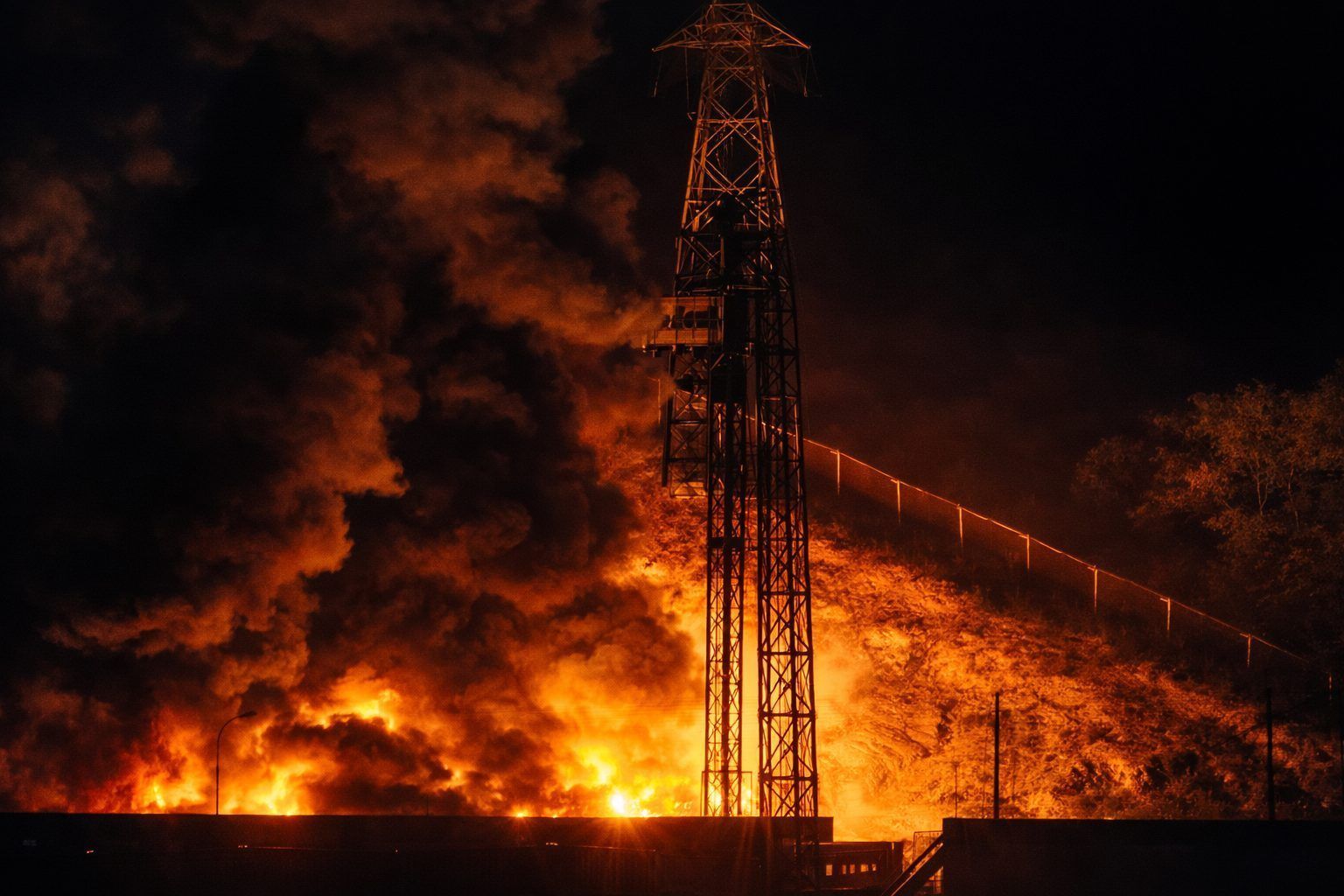
U.S. forces struck targets in Venezuela early Saturday and President Donald Trump said President Nicolas Maduro and his wife were captured and flown out of the country, a shock that deepens uncertainty for an economy still driven by oil exports. A U.S. official told Reuters Maduro was seized by elite special forces.
The strike lands as U.S. sanctions and recent tanker seizures have already halved Venezuela’s normal oil export rate, tightening the flow of hard currency into the country. The bolivar depreciated 83% over 2025, Reuters reported.
That matters because oil dollars are the main source of foreign currency for companies importing food, medicine and industrial inputs, and a squeeze quickly feeds into prices and the exchange rate, analysts and business leaders said. “This could be one of the strongest actions by the United States,” economist Alejandro Grisanti said; the International Monetary Fund has estimated annual inflation could end 2025 at 548%, and the central bank has not published price data since October 2024, Reuters reported. Reuters
Early indications suggested oil operations were still running. PDVSA’s production and refining were normal and its most important facilities suffered no damage, two sources with knowledge of operations said, though one source said the port of La Guaira near Caracas sustained severe damage.
The broader export system has been strained for weeks, even without direct hits on oil infrastructure. A U.S. blockade aimed at sanctioned tankers has left PDVSA short of storage, forcing extreme measures to avoid shutting refineries as residual fuel — a heavy byproduct of processing crude — piles up, four sources said.
Reuters has reported that after the United States seized a tanker in December, movements into and out of Venezuelan waters came close to a standstill. Only tankers chartered by Chevron sailed into international waters carrying Venezuelan crude, while vessels holding about 11 million barrels remained stuck in Venezuelan waters, according to shipping data and documents.
One path for the economy now hinges on whether Saturday’s operation produces a fast political transition and negotiations that ease sanctions, allowing more investment and a clearer route to market. MST Marquee analyst Saul Kavonic said the strike raised near-term supply risks but could be bearish over time if a new Venezuelan government leads to sanctions being lifted and renewed foreign investment.
Investors have used Venezuela-linked debt as a proxy for shifting U.S. policy. Reuters reported in December that the partial removal of U.S. sanctions in October 2023 helped lift the price of PDVSA’s oil-linked 2020 bond above 80 cents on the dollar after it had traded around 10 cents in mid-2020.
A more disruptive outcome — a prolonged standoff or unrest that raises risks for shipping and port operations — would likely keep Venezuelan crude moving only at deep discounts and with higher transport costs. Reuters reported PDVSA has faced bigger discounts to Asia as ship owners add “war clauses” that allow rerouting or cancellation when conflict risks rise, pushing up freight costs on longer voyages. Reuters
Those pressures were already evident in PDVSA’s main market. Discounts on Venezuela’s flagship Merey heavy crude bound for China widened to as much as $21 a barrel below Brent in mid-December, Reuters reported, as PDVSA confronted tougher terms from buyers and competition from other sanctioned exporters including Russia and Iran; the company has demanded prepayment, including in digital currency, to authorize departures.
If Washington tightens enforcement further, the hit could extend from exports to production. Venezuela’s oil output could decline by 300,000 to 500,000 barrels per day because of lower exports and production restrictions, according to Reuters estimates, raising the odds of a sharper fiscal squeeze and fewer dollars for imports; U.S. Gulf Coast refineries were built to process heavy grades including those from Mexico and Venezuela.
The strike also revives worries about a return to higher inflation after a brief period of relative stabilization. Maduro told lawmakers inflation was 48% year-on-year in 2024 after 189.8% in 2023, citing central bank data, though Venezuelans remain exposed to swings in the exchange rate and import prices.
Before Saturday, Maduro was projecting continued expansion. He said the economy would grow 9% in 2025 and 7% in 2026, but analysts say the immediate test now is whether oil exports and foreign-currency markets stay open — and who controls the state and its oil revenues in the days ahead.