
NEW YORK, January 3, 2026, 09:24 ET — Market closed
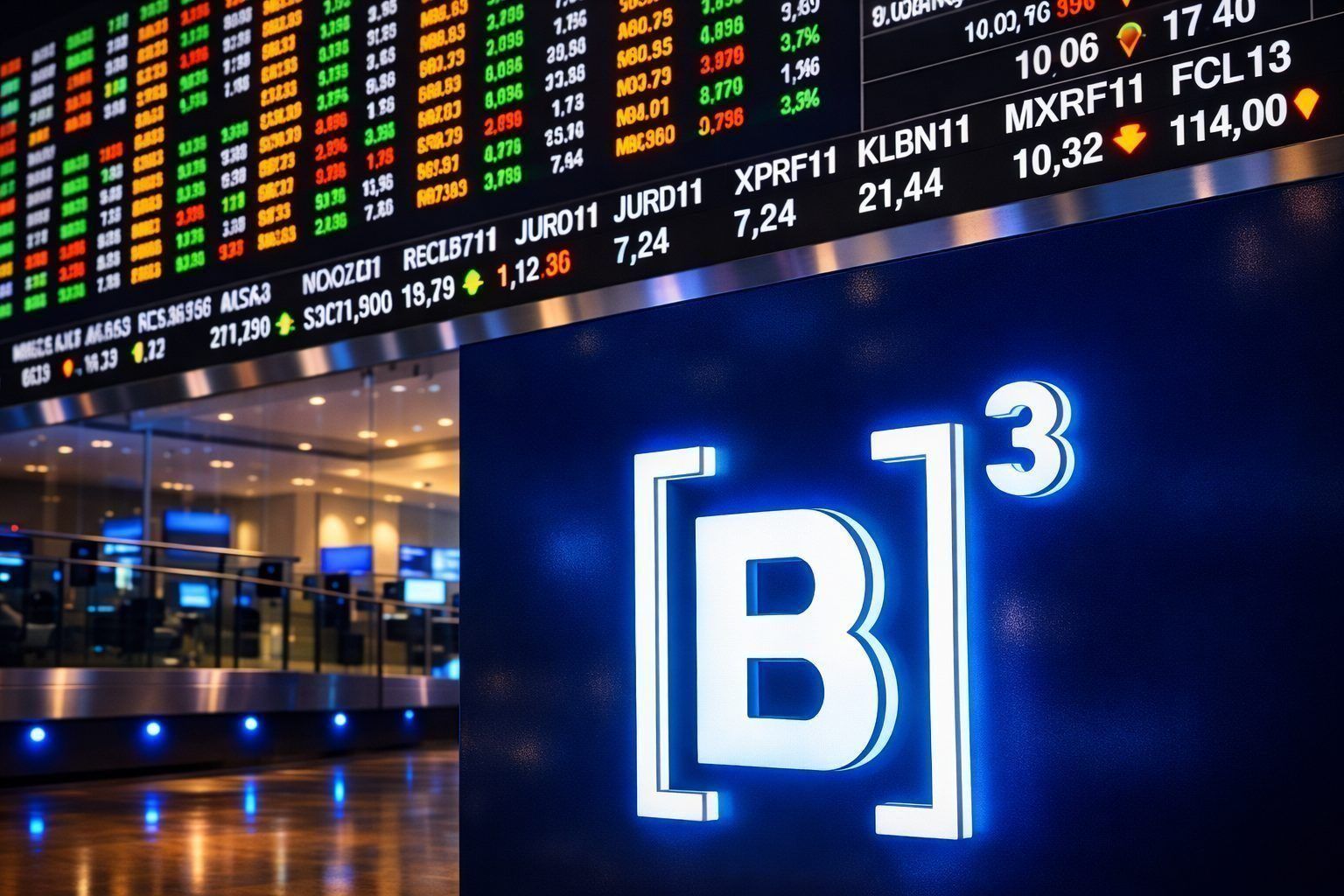
Brazil’s Ibovespa (.BVSP) ended Friday down 0.36% at 160,538.69, starting 2026 in the red on São Paulo’s B3 exchange, according to Yahoo Finance data. The benchmark eased after a holiday-thinned session.
The first full week of the year is when many global investors reset risk and rebalance portfolios. For Brazil, that often means a tug-of-war between commodity-linked heavyweights and shifting bets on interest rates.
The move matters now because the Ibovespa remains unusually sensitive to external pricing signals. U.S. yields and the dollar can change the appetite for emerging-market exposure in a single afternoon, while local rate expectations shape how investors value banks, retailers and real estate names.
Real estate, industrials and consumer shares led declines, and decliners outnumbered gainers 575 to 365 on the B3 exchange, Investing.com said. Minerva fell 6.6% and Totvs slid 3.2%, while retailer GPA climbed 4.5% and the CBOE Brazil ETF Volatility index — an options-based gauge of expected swings — eased 0.63% to 26.96, it said. The real strengthened, with USD/BRL down 0.79% to 5.43, and crude futures for February dipped 0.21% to $57.30 a barrel.
Corporate headlines centered on shareholder payouts and financials. CPFL Energia, CSN Mineração, Sendas and Marisa were in focus after flagging dividends, “interest on equity” — a tax-deductible, dividend-like payout common in Brazil — or bonus share distributions, TradingView reported. Banks traded higher in early moves, with Itaú and Bradesco up, while Vale gained and Petrobras slipped as oil prices fell; the S&P Global Brazil Manufacturing PMI eased to 47.6 in December from 48.8 in November, the report said. TradingView
PMI, short for Purchasing Managers’ Index, is a survey-based snapshot of factory activity. Readings below 50 point to contraction, a backdrop that can weigh on near-term earnings while also sharpening the market’s focus on when borrowing costs might start to fall.
Global risk appetite stayed broadly constructive even as volumes remained light. Wall Street ended mixed on the first trading day of 2026 and U.S. Treasury yields climbed, Reuters reported; MSCI’s emerging-market stocks gauge rose 1.7%. “Today is kind of a holiday trading day, lighter volumes,” said Jed Ellerbroek, a portfolio manager at Argent Capital. Reuters
For São Paulo, the global backdrop matters because foreign flows and commodity prices often steer the largest index weights. Friday’s dip left traders looking for a fresh catalyst beyond year-start repositioning.
Before next session, oil is a near-term swing factor for Brazil’s energy names. OPEC+ is expected to keep first-quarter output levels unchanged at a Sunday meeting, Reuters reported, and traders will also look to the U.S. jobs report on Jan. 9 for clues on the Federal Reserve’s next steps.
Currency markets head into that data run after the dollar logged its biggest annual drop in eight years, Reuters said, with investors also watching who President Donald Trump picks as the next Fed chair this month. Markets are pricing in two Fed cuts in 2026, the report said.
In Brazil, attention turns to the central bank’s Jan. 27-28 policy meeting, where investors are watching whether policymakers start cutting the Selic rate or wait until March, Reuters reported. The bank has held its benchmark rate at 15% since July, and the committee may meet with two board seats vacant if nominations are delayed, the report said.
Related articles: Stock Market