
SINGAPORE, Jan 4, 2026, 14:40 ET — Market closed
- Singapore’s economy grew 4.8% in 2025, its fastest pace since 2021, according to advance estimates.
- The Straits Times Index last closed up 0.2% at 4,656.12 on Jan. 2.
- UOB disclosed a fresh on-market share buyback; Wall Street ended Friday mixed as yields and the dollar firmed.
Singapore shares head into Monday’s open with a stronger domestic growth backdrop after official data showed the economy expanded 4.8% in 2025, lifted by a 5.7% rise in fourth-quarter GDP.
That matters now because the advance estimates set expectations for early-2026 policy and profit outlooks, with investors also watching whether export-driven sectors can extend momentum as global rates stay sticky.
The benchmark Straits Times Index (STI) ended Friday’s session up 0.2% at 4,656.12, with traders likely to treat the 4,650 area as a near-term line in the sand ahead of the new week.
Overnight cues were steady but not uniform. The Dow rose 0.66% and the S&P 500 gained 0.19% on Friday, while the Nasdaq slipped 0.03%; the U.S. 10-year yield rose to 4.191% and the dollar index ticked higher.
Energy was a mild drag on inflation-sensitive sentiment. Brent settled at $60.75 a barrel and U.S. crude at $57.32 on Jan. 2, while OPEC+ kept output steady for the first quarter, Reuters reported.
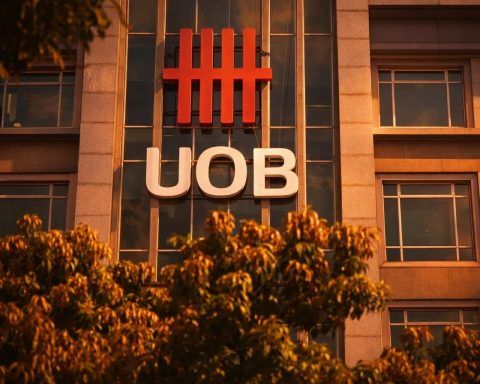
In single-stock focus, United Overseas Bank said it bought back 39,000 shares on-market on Jan. 2 at S$35.10–S$35.41, cancelling the shares — a buyback is when a company repurchases stock to reduce share count.
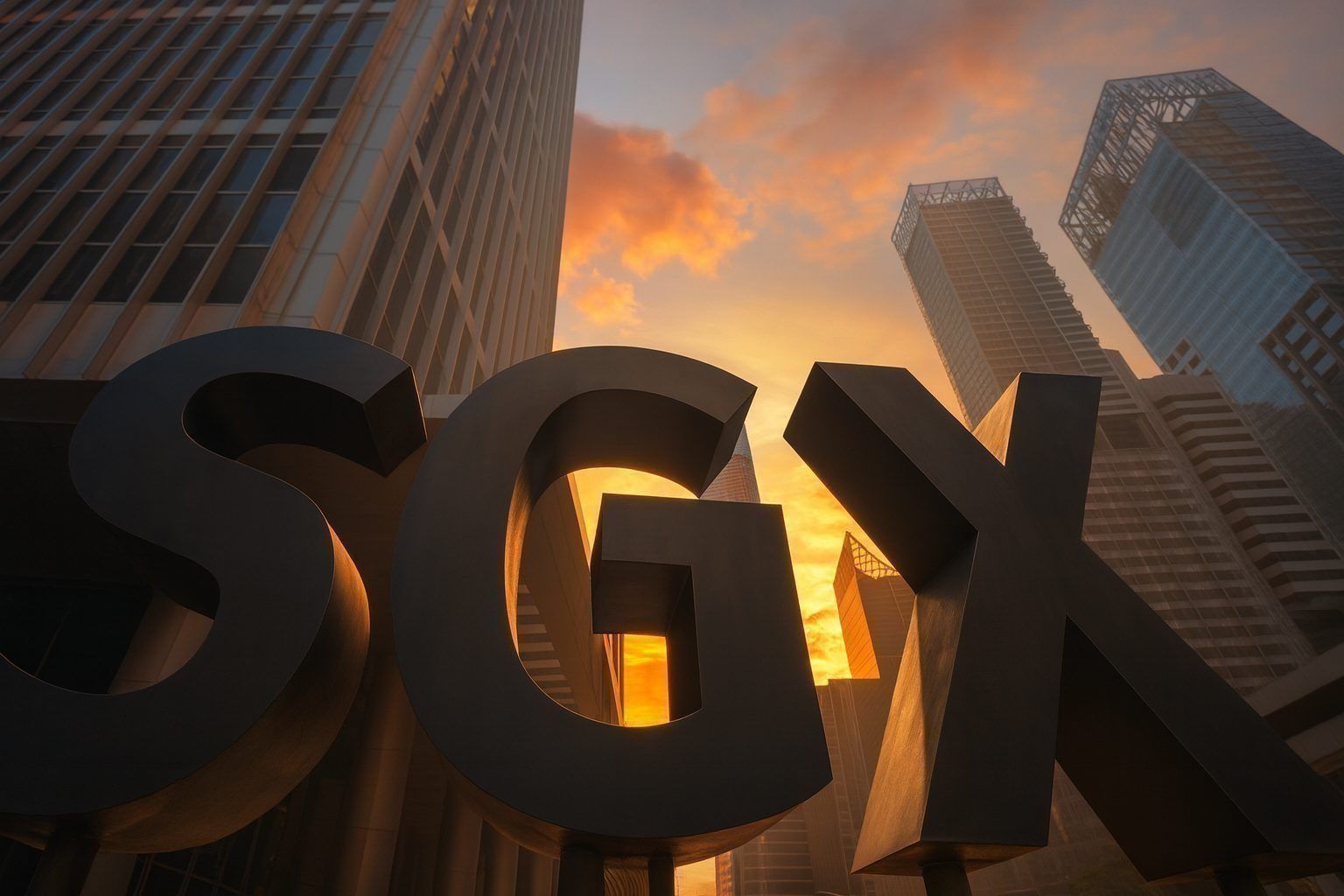
Singtel may also draw interest after filing a release that its associate Globe Telecom and Singtel-owned NCS completed a joint venture in the Philippines, expanding “digital, cloud, data and AI services” capabilities via the combined platform. Sgx
On the macro beat, the growth surprise was driven by manufacturing clusters including electronics, and OCBC economist Selena Ling called 2025 a “stunning year,” in a Reuters report. Reuters
Investors are also weighing the policy runway. The Ministry of Trade and Industry’s current 2026 GDP forecast is 1% to 3%, and the Monetary Authority of Singapore’s next policy review is due later in January.
A key risk is that external demand cools faster than expected if trade frictions intensify, or if higher global yields and a firmer dollar tighten financial conditions for rate-sensitive sectors.
What’s next is a two-part test: the STI’s reaction to the GDP print at Monday’s open, and a global calendar packed with U.S. data, capped by next Friday’s U.S. payrolls report.