New York, January 5, 2026, 09:52 EST — Regular session
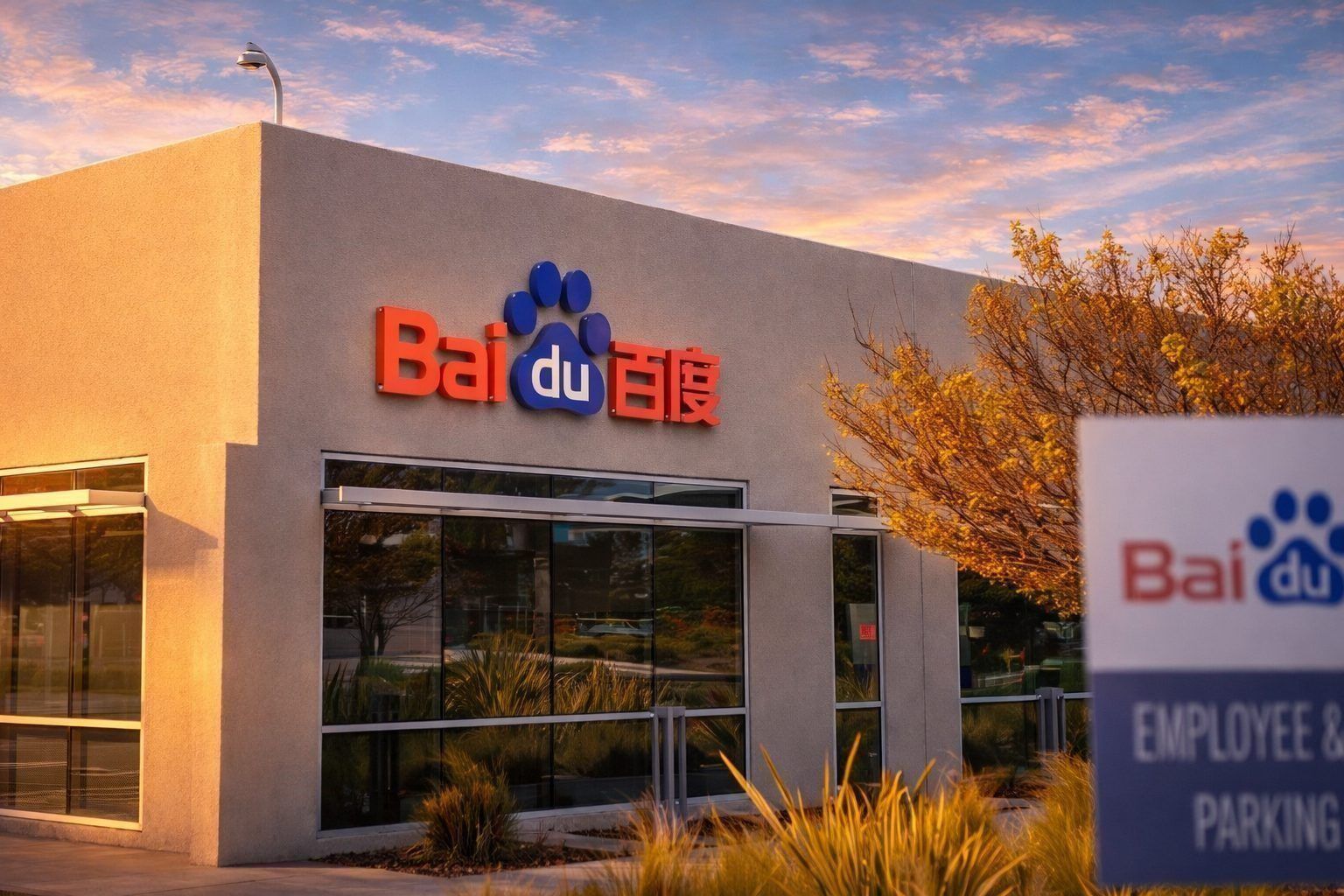
Baidu’s U.S.-listed shares (BIDU) fell 3.7% to $144.75 in morning trading on Monday, retreating from Friday’s close of $150.30 as investors took profits after last week’s surge.
The move matters now because the trade has shifted from the headline to the hard parts: how quickly Baidu can turn a filing into an offering, and what valuation the market will put on the chip unit. A spin-off is the separate listing of a business, and it can reset how investors value the parent company.
Baidu said its artificial intelligence chip unit, Kunlunxin, submitted a confidential application to list its H shares — stock sold in Hong Kong — and that Kunlunxin is expected to remain a Baidu subsidiary after the transaction. Baidu’s U.S. listing trades as American depositary shares, each representing eight Class A ordinary shares.
In a Hong Kong announcement, Baidu said the exchange has confirmed it may proceed with the spin-off proposal and that the deal is intended as a global offering, mixing a Hong Kong public tranche with a placement to institutional and professional investors. The company said it also received a waiver from a rule that would have required giving existing shareholders a guaranteed allocation of Kunlunxin shares, and flagged approvals and China regulatory filings as conditions.
Technicians noted the stock failed to hold the $150 handle after Friday’s jump, with traders watching whether the shares can stabilize after Monday’s slide. A break below the mid-$140s would put fresh focus on near-term support levels.
Jefferies analyst Thomas Chong raised his price target on Baidu to $181 from $159 and said the spin-off “aims to showcase” Kunlunxin’s value and “unlocks” value in Baidu’s AI-powered business. Jefferies estimated Kunlunxin’s valuation at $16 billion to $23 billion. TipRanks
Moves in other China-linked internet names were mixed, with Alibaba down 1.3% in morning trading.
Hong Kong’s reopening IPO pipeline has kept the bid under chip and AI stories, with Chinese AI startup MiniMax expected to price its Hong Kong IPO at the top end of its range and begin trading on Jan. 9, sources told Reuters. Traders see Kunlunxin as another test of whether that demand extends beyond pure-play AI startups to chip designers tied to larger platforms.
But the Kunlunxin plan still carries execution risk: Baidu has not disclosed offering size or a timetable, and regulatory approvals can stretch. Kunlunxin was valued at 21 billion yuan ($3 billion) in a fundraising round, and Baidu retains a controlling stake, Reuters reported, leaving investors to debate how much value a listing can unlock as policy and market conditions shift.