
BEIJING, Jan 8, 2026, 01:47 (GMT+8)
- China has asked some tech firms to halt new orders for Nvidia’s H200 AI chips, a report said
- Nvidia executives say Chinese demand is strong, but export approvals are still pending
- The move adds to pressure on foreign chipmakers as Beijing pushes domestic alternatives
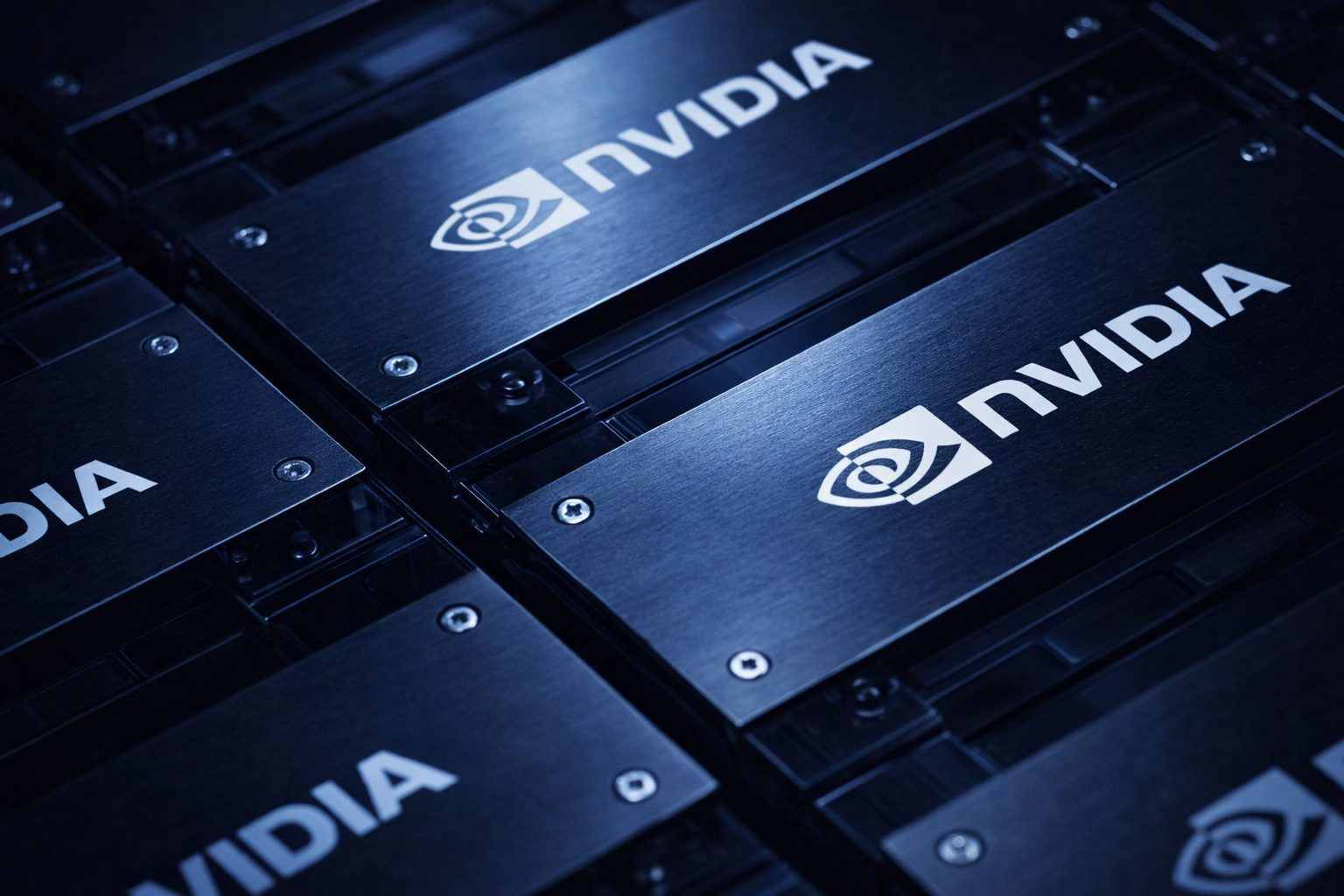
Chinese authorities have told some tech firms to stop placing new orders for Nvidia’s H200 artificial-intelligence chips this week, the Information reported, as Beijing weighs whether to let the processors into the country. The move appears aimed at stopping companies from rushing to stockpile U.S. chips before officials settle on rules, and could be followed by a push to buy domestic AI processors instead, the report said. “China is committed to basing its national development on its own strengths,” Liu Pengyu, a spokesperson for the Chinese Embassy in the United States, said. Reuters
The pause lands as Nvidia tries to restart China sales under U.S. export licences — permits required to ship controlled technology — after Washington eased curbs last year. Nvidia chief executive Jensen Huang said he does not expect any public green light from Beijing, and that “purchase orders” would be the sign that buyers are free to move. Nvidia CFO Colette Kress said U.S. officials were “working feverishly” on licence applications, as the company targets $500 billion in sales from its Blackwell and Vera Rubin chip lines by the end of the year. Reuters
Trump announced in December that the United States would allow H200 exports to China but collect a 25% fee on those sales, framing the plan as a security compromise. “We will protect National Security,” Trump wrote on Truth Social, while stressing that Nvidia’s newest chips were not part of the deal. Nvidia said offering H200s to vetted commercial customers “strikes a thoughtful balance,” and a White House official said the chips would face a U.S. security review before export. Reuters
Beijing, for its part, has been tightening its own guardrails around AI computing gear as it tries to build a domestic supply chain. Guidance issued last year required new data centre projects with any state funding to use domestically made AI chips, two people familiar with the matter told Reuters, with early-stage projects ordered to remove foreign chips. The shift threatens sales for Nvidia and peers AMD and Intel, while giving local rivals such as Huawei another opening.
Huawei has laid out a multi-year roadmap for its Ascend AI chip line, including the Ascend 950PR planned for launch in the first quarter of 2026, Reuters reported in December. A higher-memory variant, the 950DT, is slated for the fourth quarter of 2026, followed by the Ascend 960 in 2027 and the 970 in 2028.
Even as policy tightens, some Chinese firms are still building products around Nvidia’s platforms. Lenovo said this week it has teamed up with Nvidia to help AI cloud providers bring data centres online faster, pairing Lenovo’s liquid-cooled infrastructure with Nvidia computing systems. “Lenovo AI Cloud Gigafactory with NVIDIA sets a new benchmark,” Lenovo CEO Yang Yuanqing said at CES, alongside Huang. Reuters
But the lines are moving. Beijing’s review could turn into a hard ban, a domestic-purchase mandate, or a narrow carve-out for certain buyers, and firms do not know which way it will break. A long pause would test AI builders who have built around Nvidia-compatible software tools, while a sharper U.S. clampdown would choke supply even if China relents.
For now, the next signal will be mundane: paperwork and purchase orders. Companies in China and the United States are waiting on decisions that could shift again, quickly, and for reasons that have little to do with chips themselves.
Related articles: NASDAQ:NVDA