
Sydney, Jan 11, 2026, 17:23 AEDT — Market closed
- JPMorgan filing shows it crossed the 5% “substantial holder” line in DroneShield
- DroneShield last closed at A$4.02 on Friday, up 4.42%
- Next catalyst: late-January cash flow update and any fresh holder notices
DroneShield DRO.AX heads into Monday’s ASX open with a new ownership disclosure after a filing showed JPMorgan Chase & Co and its affiliates crossed the 5% threshold in the counter-drone company.
The move matters now because DroneShield has turned into a fast, flow-driven trade, and changes around big holders can move the stock even when there is no new contract headline. In Australia, a “substantial holder” is an investor with 5% or more of voting shares, which triggers disclosure.
It also lands as investors look for a cleaner read on who owns the stock after months of sharp swings and noisy headlines. Some of these notices reflect outright buying; others track stock lending and prime-broker positions that can flip quickly.
DroneShield last closed at A$4.02 on Friday, up 4.42% on the day, after trading between A$3.89 and A$4.09, Investing.com data showed. The stock has gained about 21% since Jan. 5 and swung hard midweek, including an 18.43% jump on Jan. 6.
In its Form 603 notice, JPMorgan Chase & Co and its affiliates reported 5.09% voting power in DroneShield, or about 46.48 million ordinary shares, as of Jan. 7. The filing listed large pieces as “securities on loan” and other lending or prime-brokerage arrangements, alongside smaller proprietary positions.
Securities lending is when shares are temporarily loaned out, often to support short selling or settlement, and the exposure can unwind fast. That is why traders tend to treat register shifts in volatile small caps as a signal, not a verdict.
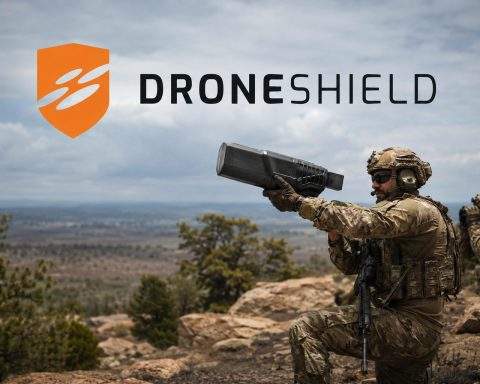
DroneShield sells systems that detect and disrupt drones for military and government users. In December it said it had won a $49.6 million contract via a European reseller, with deliveries and cash payments expected to be completed in the first quarter of 2026.
A separate ASX release on Dec. 30 outlined an $8.2 million order for a Western military end-customer, with delivery due by early Q1 2026 and cash expected in the same quarter. DroneShield also said it entered 2026 with about $97.7 million in “locked in” revenue.
On Dec. 24, the company said it had received a $6.2 million standalone contract for an Asia Pacific military end-customer, with delivery and payment expected in 2026. It said the deal came via a reseller that has brought in more than $48 million of contracts over the past two years.
Defence stocks more broadly have stayed in play after U.S. President Donald Trump signed an executive order tying buybacks, dividends and executive pay to weapons delivery schedules, spurring contractors to seek legal advice, Reuters reported. Morgan Stanley analyst Kristine Liwag called the policy mix “carrots and sticks,” Reuters said.
But DroneShield still carries a trust overhang from late 2025, when executive share sales and disclosure issues rattled holders. “Investors have lost confidence in the stock after the directors, including the CEO and the chairman, sold every single share,” Ron Shamgar at TAMIM Asset Management told Reuters in November.
For Monday, traders will watch for any follow-up substantial-holder notices and whether the stock can hold above the A$4 level after the early-January run. Attention then turns to DroneShield’s December-quarter cash flow report, which typically lands late January; last year’s release hit the market on Jan. 29.
Related articles: ASX:DRO