
Sydney, Jan 14, 2026, 16:50 AEDT — After-hours
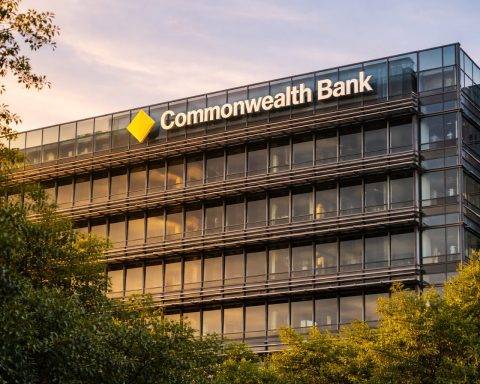
Commonwealth Bank of Australia CBA.AX fell 1.3% on Wednesday and ended at A$152.88, bucking a modest rise in the broader market. The stock traded between A$150.92 and A$154.96.
The drop left CBA among the laggards as investors leaned into miners and energy names, while the heavyweight banking sector lost ground. The S&P/ASX 200 added 0.14% to 8,820.6, but financials fell 0.7% and all four big banks ended lower.
That matters now because CBA is still priced at a steep premium, leaving little room for softer earnings momentum or tougher competition. Morgan Stanley flagged risks to relative performance, including a roughly 45% valuation premium to peers and said the “flow of funds” tailwind has faded. Market Index
The bank added to the rate debate on Tuesday with its Wage and Labour Insights report, based on de‑identified salary flows from CBA accounts. “The labour market remains tight, with limited spare capacity contributing to inflation that is still too high,” said Belinda Allen, CBA’s head of Australian economics. CommBank
The next policy marker is the Reserve Bank of Australia’s monetary policy decision due on Feb. 3, with the statement scheduled for 2:30 p.m. AEDT. For banks, shifts in the cash rate — the RBA’s policy rate — can change the pace of mortgage repricing and funding costs.
Company-specific focus is building too. CBA’s half-year results and interim dividend announcement are due on Feb. 11, according to the bank’s investor calendar.
Traders will be scanning the next few sessions for signs Wednesday’s bank selling was just rotation or something more persistent. For CBA, commentary on net interest margin — what it earns on loans minus what it pays on deposits — tends to set the tone, even when headline profit is steady.
The downside case is straightforward: if competition for deposits stays hot, or credit growth slows, the stock’s premium can work in reverse. Any hint that bad debts are rising would sharpen that risk.
On the other hand, a higher-for-longer rate backdrop can support bank earnings in the short run if pricing holds and borrowers keep paying. The market has not been paying up for uncertainty.