
Bengaluru, Jan 15, 2026, 16:21 (IST) — The market has closed.
- BSE and NSE will be closed Thursday for a trading holiday, with regular sessions set to restart Friday
- Nifty 50 and Sensex closed down Wednesday, dragged by tariff concerns and foreign investor sell-offs
- Infosys lifted its revenue-growth forecast for FY26; oil prices slipped overnight, shaping India’s trading session ahead
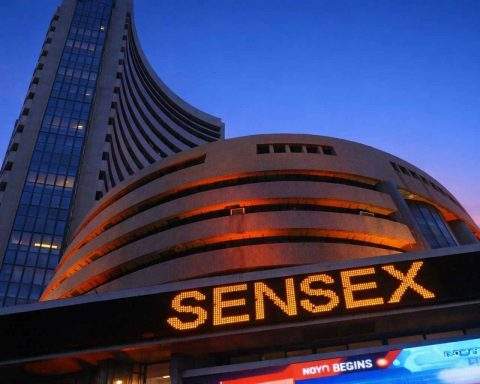
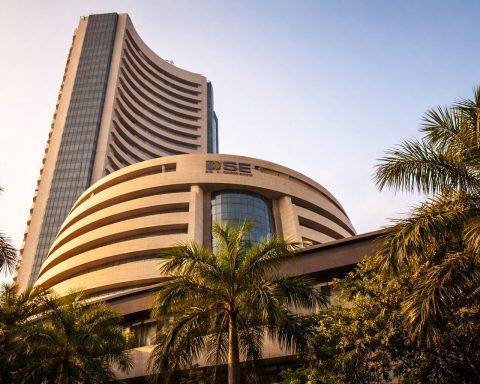
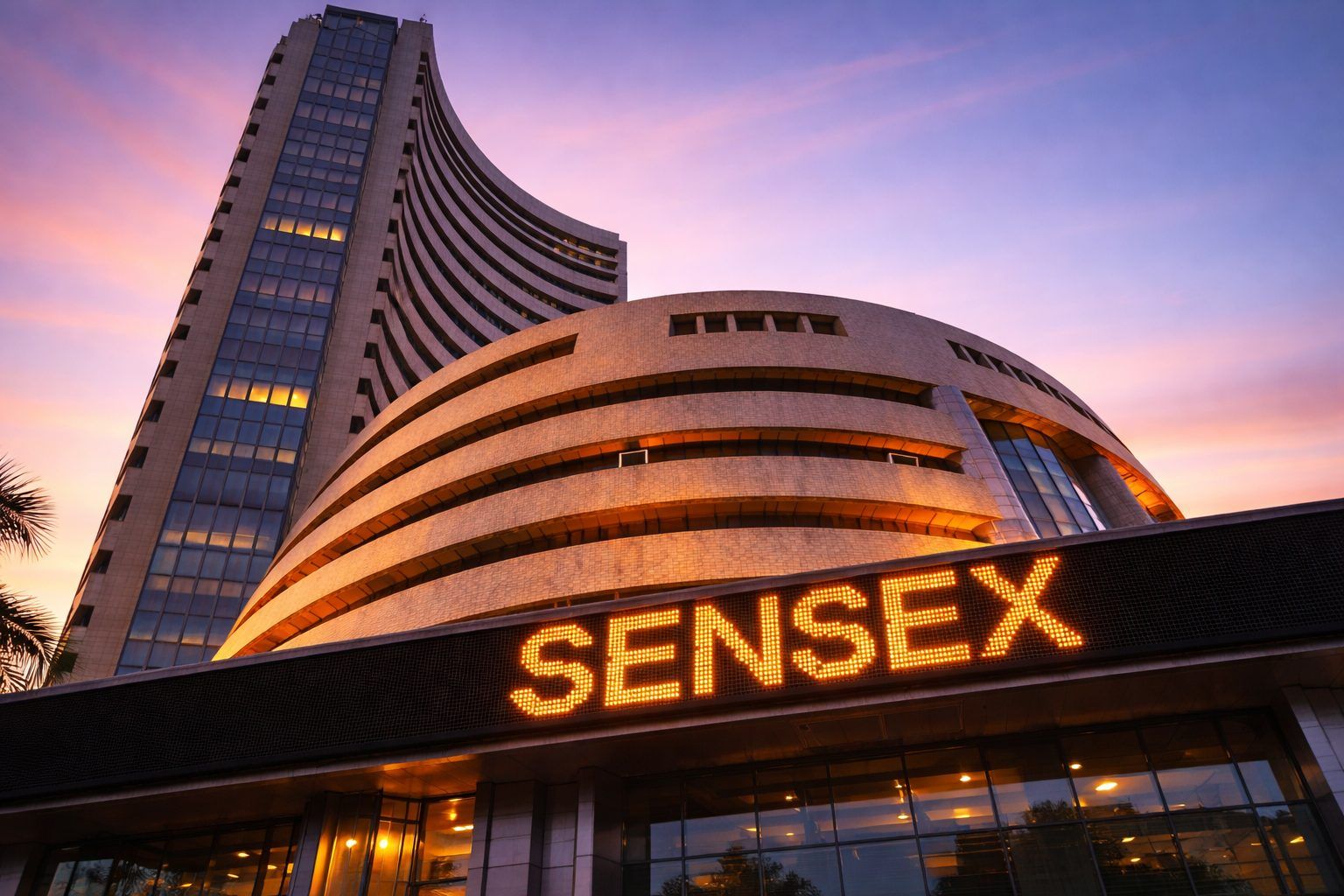
Indian stock markets remained closed on Thursday due to a local holiday, sidelining traders following two days of declines in key indexes. The pause comes as earnings reports and tariff news begin to weigh on sentiment once more.
The NSE’s Nifty 50 closed at 25,665.60, slipping 0.26%. Offshore, GIFT Nifty futures, a common early indicator for the next cash session, dropped 0.12% to 25,783 late Thursday.
On Wednesday, the BSE Sensex dropped 0.29% to 83,382.71, marking the eighth straight session of losses for both key indices. Lingering doubts over the India-U.S. trade deal timeline kept investors cautious. Washington has already slapped tariffs as high as 50% on Indian imports, and President Donald Trump signaled a possible extra 25% tariff tied to Iran. “Geopolitical concerns have led to an increase in business uncertainty and volatility,” noted Amnish Aggarwal, director of institutional research at PL Capital. Foreign portfolio investors have unloaded roughly $2 billion in Indian equities this January after setting record outflows in 2025. Metals and state-run banks saw gains, but heavyweights like HDFC Bank and Tata Consultancy Services weighed down the market. Reuters
Infosys is set to hover near the middle of Friday’s trading after topping quarterly revenue estimates and lifting its fiscal 2026 revenue-growth guidance to 3%-3.5% from the previous 2%-3%. Centrum Broking’s Piyush Pandey described the update as a “positive surprise.” Meanwhile, CEO Salil Parekh highlighted the company’s emergence as an “AI partner of choice” for major clients. Net profit dropped due to a one-time charge related to India’s new labour codes. Reuters
The tariff story sharpened Thursday as India’s trade secretary revealed New Delhi is still waiting for further information from Washington on the Iran-related tariff threat. He noted that India’s trade with Tehran remains “limited” and mostly humanitarian. Reuters
Oil dropped over 3% overnight, while gold slipped back from record highs after Trump seemed to step back from threats of U.S. military strikes on Iran, easing demand for safe haven assets. “There’s a rotation playing out on Wall Street,” noted Capital.com analyst Kyle Rodda, as investors adjusted their positions in equities despite major indexes facing pressure. Reuters
India’s wholesale prices climbed 0.83% year-on-year in December, rebounding from a drop in November, government data revealed on Wednesday. The figure topped economists’ forecasts. Though wholesale inflation isn’t the Reserve Bank’s primary policy gauge, the data still matters for rate-sensitive sectors.
Timing throws a wrench into the works for traders. A holiday session can turn a small signal into a sharp gap once the market reopens, especially when earnings and geopolitics are both in play.
But plenty can still derail the market. A new round of tariff hikes, a spike in Iran tensions driving crude prices higher, or renewed foreign selling could wipe out any gains from IT earnings or softer oil.
Related articles: NSE:HDFCBANK