
NEW YORK, Jan 15, 2026, 16:09 ET — After-hours
- AMD climbed roughly 2% in regular hours, hitting $238 at its peak during the session
- Chip stocks got a lift after TSMC reported better-than-expected profits and unveiled a bigger spending plan for 2026
- A newly imposed U.S. tariff on specific AI chips stirs uncertainty right before AMD’s Feb. 3 earnings report
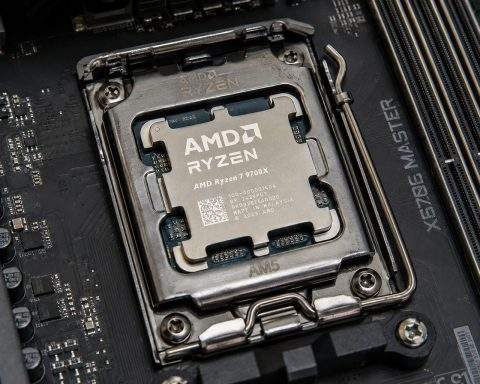
Advanced Micro Devices NASDAQ:AMD climbed 1.9% on Thursday, fueled by a late-session rally sparked by renewed optimism over chip demand. Shares of AMD last stood at $227.76, after reaching an intraday peak of $238.33, with roughly 50 million shares traded. Nvidia advanced 2.1%, while Intel slipped 0.9%.
This matters as investors weigh two opposing factors: robust signals from the AI hardware supply chain and new U.S. trade restrictions targeting top-tier processors. AMD finds itself caught in the crossfire, offering data-center CPUs and AI accelerators but depending on overseas manufacturing.
This follows a shaky stretch for tech, as investors pulled back from expensive stocks and the Nasdaq fell 1% on Wednesday. Chip shares have been particularly volatile, given their sensitivity to changes in AI spending and chip demand, which usually hit that sector first.
Taiwan Semiconductor Manufacturing Co, a vital chip designer supplier, expects revenue in 2026 to jump nearly 30%, with capital spending forecast between $52 billion and $56 billion. The company said customers are sending “strong signals” and pushing for more capacity. CEO C.C. Wei admitted they’re “very nervous” about the scale of the expansion. Meanwhile, Quilter Cheviot’s Ben Barringer noted TSMC “ultimately benefits” as chipmakers battle for market share. Reuters
Trade policy just threw a curveball. On Wednesday, President Donald Trump slapped a 25% tariff on select AI chips — including Nvidia’s H200 and AMD’s MI325X — citing national security after a Section 232 probe. The White House clarified the tariff won’t hit chips brought in for U.S. data centers and a few other uses. AMD responded, saying, “We comply with all U.S. export control laws and policies.” Reuters
Wall Street sentiment on AMD has shifted more bullish this week. John Vinh, analyst at KeyBanc Capital Markets, upgraded AMD to “overweight” and bumped his price target up to $270. He highlighted growing demand from hyperscale cloud providers, the largest players in data centers, for AMD’s server CPUs. Vinh noted AMD is nearly “completely sold out” of its 2026 capacity and is eyeing a potential 10% to 15% price hike on server CPUs in Q1. MarketWatch
Earlier this week, AMD gained momentum following KeyBanc’s upgrade, with investors weighing fresh inflation figures alongside the kickoff of the U.S. earnings season.
AMD goes head-to-head with Nvidia in AI accelerators—those specialized chips that boost AI model training and execution—and squares off against Intel in server processors. For investors, the key concern isn’t just demand, but whether supply chains can keep up without hiccups.
The risk lies buried in the policy details. The new tariff order doesn’t clarify how widely performance benchmarks will be enforced, the speed at which exemptions might be approved, or if additional semiconductor duties will come next. Any of those moves could squeeze margins or disrupt delivery schedules.
Investors will zero in on AMD’s commentary about data-center demand, pricing, and margins when the company reports. They’ll also be watching to see if trade policy shifts from a mere headline to an actual expense.
AMD plans to release its fiscal fourth-quarter and full-year 2025 earnings on Feb. 3 after the market closes, followed by a conference call at 5 p.m. EST. This report is expected to be the next major trigger for the stock.
Related articles: NASDAQ:AMD