NEW YORK, Jan 16, 2026, 15:13 EST — During the regular session
- QBTS climbed 1.1% to $29.03, trading between $28.29 and $30.12 throughout the session
- CEO and CFO reported tax-related “sell-to-cover” stock sales in new SEC Form 4 filings
- Investors are closely monitoring developments on the Quantum Circuits deal, alongside D-Wave’s Qubits 2026 event scheduled for Jan. 27–28
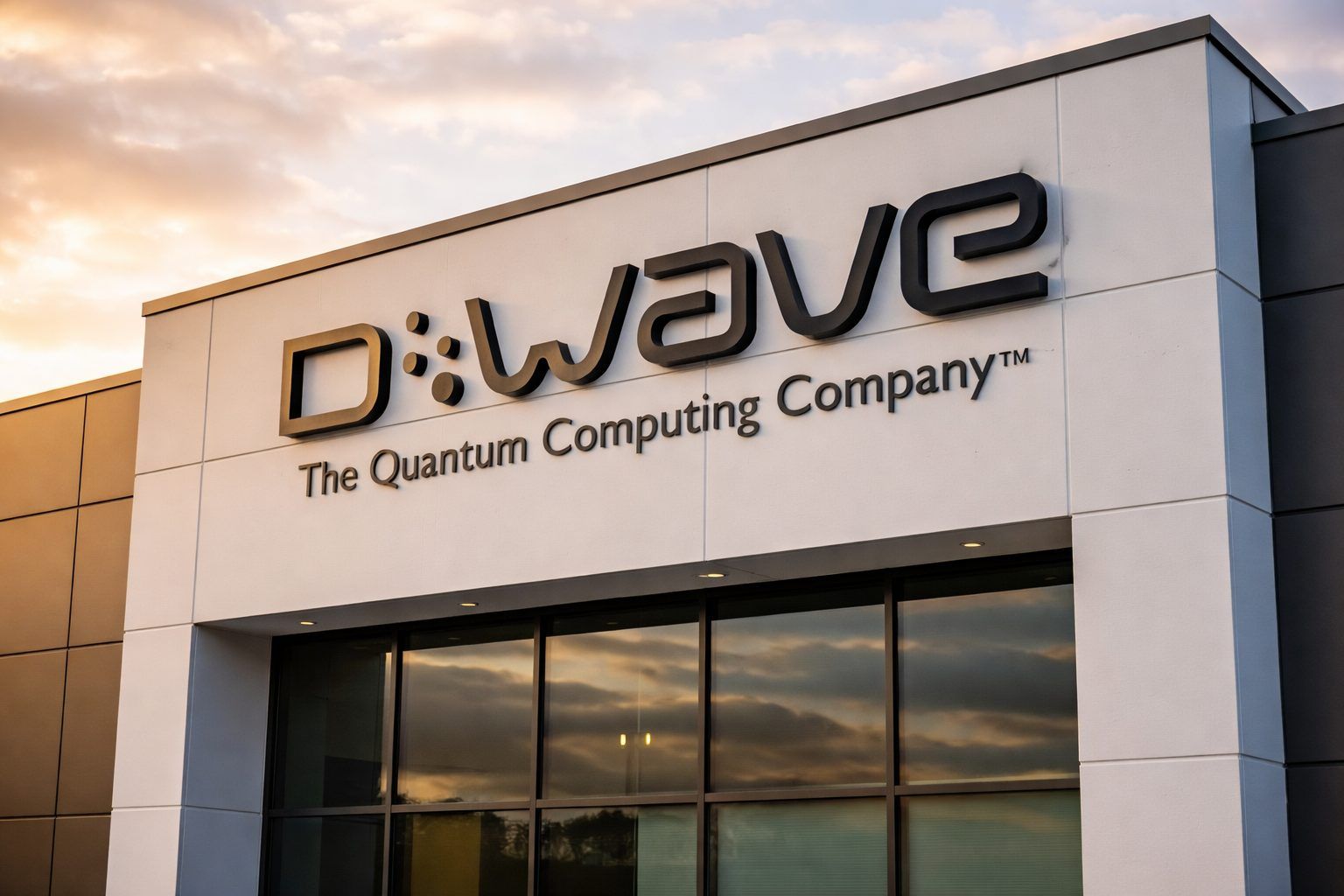
Shares of D-Wave Quantum Inc rose 1.1% to $29.03 on Friday afternoon, while the broader market remained mostly flat. Trading ranged from $28.29 to $30.12, with roughly 34 million shares exchanged.
The move followed a batch of insider disclosures that surfaced late Thursday. Around here, even standard filings can spark a trade signal.
Why it matters now: D-Wave occupies a niche spot among publicly traded quantum-computing firms, with its shares often seen as a barometer for investor mood. The company is working to expand beyond its core quantum annealing technology — a method focused on optimization — by pushing further into gate-model systems, the circuit-based design favored in mainstream quantum research.
CEO Alan Baratz disclosed in a Form 4 filing dated Jan. 15 that he sold 35,013 shares on Jan. 14 at a weighted average price of $28.0623. The filing clarified the sale was a “sell-to-cover” move to cover tax withholding on vesting restricted stock units (RSUs), not a discretionary trade. SEC
Chief financial officer John Markovich disclosed a sale of 9,179 shares on Jan. 14, averaging $28.0623 per share, according to a filing. The transaction cited the same tax-withholding “sell-to-cover” reason. SEC
Chief legal officer Diane Nguyen reported selling 20,000 shares through a Rule 10b5-1 plan set up in August, plus an additional 4,519 shares to cover RSU taxes. The 10b5-1 plan is a prearranged trading program designed to limit insider-trading issues.
Quantum stocks remain in focus following Honeywell’s announcement on Wednesday that it intends to take its majority-owned unit Quantinuum public, having confidentially filed draft IPO documents with U.S. regulators. Such IPO chatter typically sends waves through the smaller, pure-play quantum names.
D-Wave disclosed in an earlier SEC filing that on Jan. 6 it agreed to acquire Quantum Circuits for $550 million, with $300 million paid in stock and $250 million in cash, subject to adjustments. The deal awaits U.S. antitrust approval and other closing conditions, and can be called off if not completed by April 6. The stock portion is based on a 10-day volume-weighted average price with a collar, according to the filing.
When D-Wave revealed the deal, Quantum Circuits co-founder Rob Schoelkopf said “fault-tolerant error-corrected quantum computing is within our reach,” suggesting the partnership might accelerate progress. Baratz described the acquisition as a “pivotal milestone” in D-Wave’s dual-track approach. SEC
There’s a clear risk here: the company remains heavily unprofitable. D-Wave posted $8.8 million in revenue against a $143.9 million net loss in 2024, according to Reuters data. Investors will be wary of any hiccup in the Quantum Circuits deal, especially when it comes to financing and cash flow.
Traders are now turning their attention to D-Wave’s Qubits 2026 user conference, scheduled for Jan. 27–28 in Boca Raton, Florida, hoping for updates on the gate-model roadmap and the Quantum Circuits timeline. Baratz emphasized in a conference release that the focus is on “delivering real impact for customers today.” SEC