
Toronto, January 16, 2026, 18:43 EST — Market closed
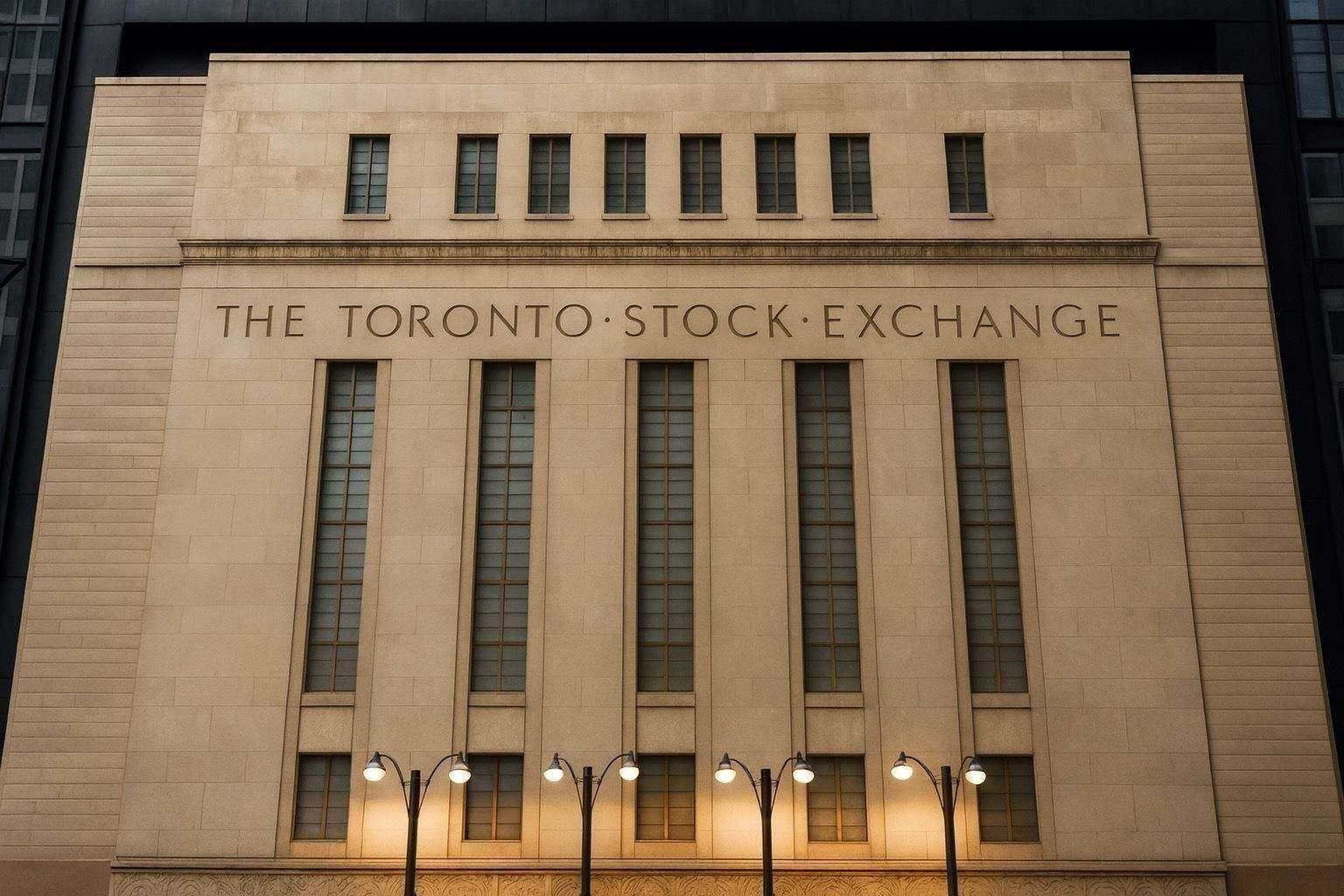
Canada’s benchmark S&P/TSX Composite closed at a record 33,040.55 on Friday, up 0.04% on the day and 1.3% for the week. Energy rose 0.9% as U.S. crude settled up 0.4% at $59.44, and Prime Minister Mark Carney said an initial Canada-China trade deal would cut tariffs on electric vehicles and canola. Edward Jones strategist Angelo Kourkafas said “markets are rational” as interest-rate swaps, a derivatives market, priced two U.S. rate cuts this year; MDA Space jumped 14.5% after Morgan Stanley lifted its rating to “overweight,” meaning it expects the stock to outperform. Reuters
Thursday’s push to another high came from financials and industrials rather than miners, after upbeat results at Morgan Stanley and Goldman Sachs helped U.S. bank shares and chipmaker TSMC’s earnings lifted global tech sentiment. Bombardier climbed 7.17% after it announced a new $100 million manufacturing center in Dorval, near Montreal, and the TSX ended the day up 0.34% at 33,028.92. “There’s broader participation in today’s move,” said Bipan Rai, head of ETF and alternatives strategy at BMO Global Asset Management. Reuters
The next jolt is domestic data. Statistics Canada is due to publish December consumer prices on Monday and retail trade figures for November on Jan. 23, a read on inflation and demand that can shift rate expectations in a hurry.
Midweek, geopolitics ran the show. The TSX hit a record on Wednesday as worries around Iran helped oil touch a near three-month high and pushed energy stocks up 2.6%, while Shopify fell 5.9% and Aritzia dropped 6.3% as investors cut technology and consumer names. “Right now it’s really emanating out of Iran,” said Philip Petursson, chief investment strategist at IG Wealth Management. Reuters
The risk is simple: the pillars can move against each other. If crude and metals give back more ground, the TSX’s biggest sectors lose their cushion, and the index’s streak of record closes can start to look thin.
Monday also brings a U.S. holiday that can slow cross-border flows, with the TSX flagging Martin Luther King Jr. Day for special settlement on Canadian-listed issues that trade in U.S. dollars.
Later in the month, traders get the next hard marker on rates. The Bank of Canada publishes its Business Outlook Survey and the Canadian Survey of Consumer Expectations on Jan. 19 at 10:30 a.m. ET, and its next policy rate decision is due Jan. 28 at 9:45 a.m. ET alongside a Monetary Policy Report.
Oil and metals still set the day-to-day leadership on the TSX, and this week showed how quickly the baton can pass from miners to banks to industrials. Stock-specific calls mattered too, with an analyst upgrade and corporate spending plans driving outsized moves even on quiet index days.
Next up is Monday’s CPI and the central bank’s surveys, before the Jan. 28 rate decision tests whether the early-year run in Canadian stocks can hold.
Related articles: Oil Prices