
Shanghai, Jan 18, 2026, 09:07 CST — Market closed
- On Friday, ESWIN Material’s Class A shares ended at 26.87 yuan, rising 4.67%
- Despite the main indexes slipping, chip-related stocks drove gains in China’s market
- Attention now turns to Monday’s reopening and policy cues that might keep tech stocks active
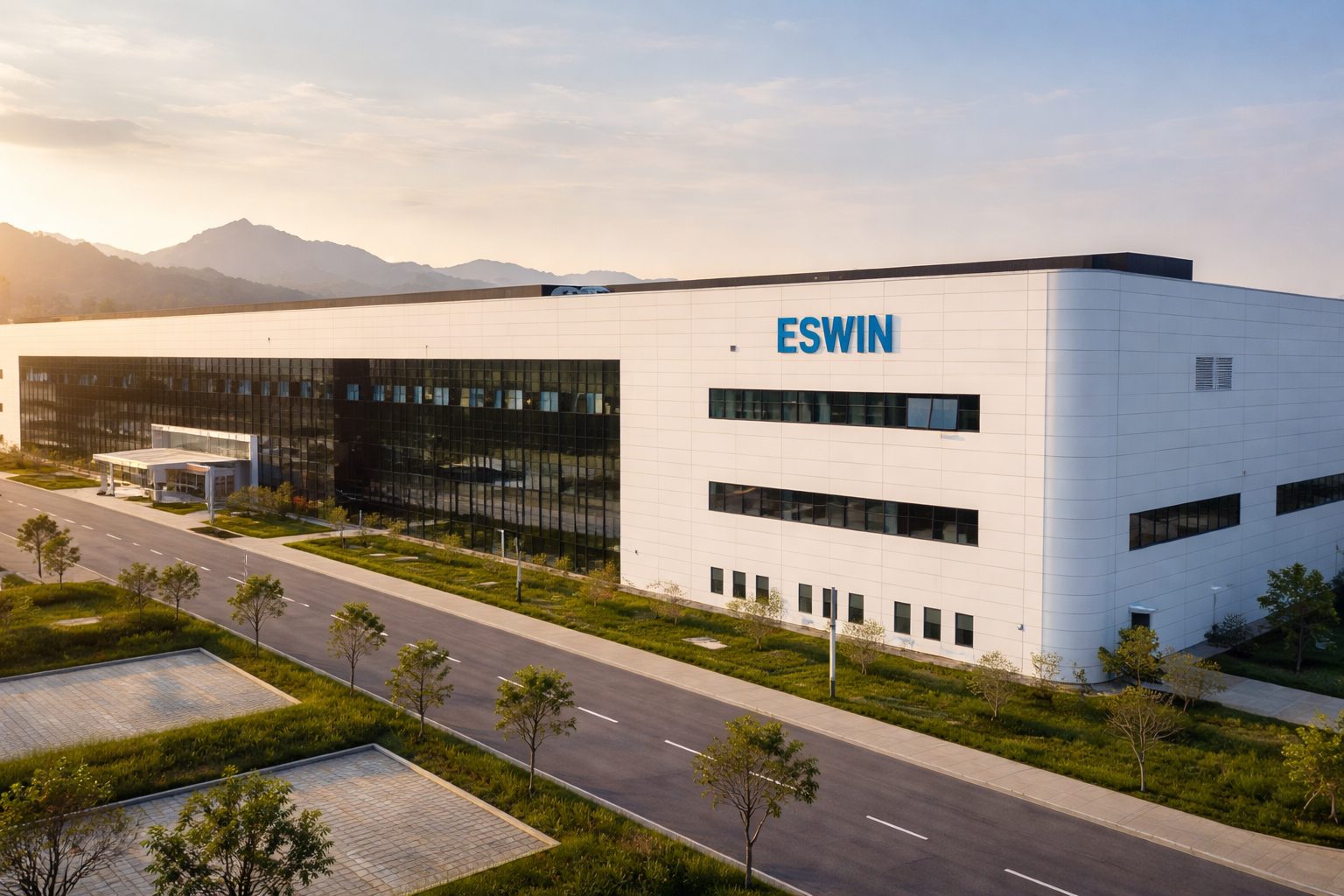
Shares of Xi’an ESWIN Material Technology Co., Ltd. Class A jumped 4.67% to close at 26.87 yuan on Friday. The stock fluctuated between 25.74 and 27.00 during the session, per data from Investing.com.
China’s semiconductor sector jumped 4.13% on Jan. 16, topping gains among A-share industries and pushing its year-to-date climb past 17%, according to a China News Service report cited by Sina Finance. He Chen, an analyst at Caixin Securities, attributed the boost to a surge in AI computing demand, which is reviving the chip cycle and creating opportunities in equipment and materials.
It’s significant that the buying is concentrated in tech-heavy sectors, not just the usual index leaders. The STAR 50 index — the key gauge for Shanghai’s STAR Market, which mirrors Nasdaq — rose 1.35% on Friday, even as the Shanghai Composite fell 0.26%, according to Securities Times. Trading volume across Shanghai, Shenzhen, and Beijing markets hit roughly 3.06 trillion yuan.
Policy took a backseat for now. The People’s Bank of China plans to slash interest rates on its structural policy tools by 0.25 percentage points starting Jan. 19. Deputy governor Zou Lan also noted there’s still room this year to cut interest rates and the banks’ reserve requirement ratio, according to a Xinhua report shared by People’s Daily Online.
ESWIN Material is listed on Shanghai’s STAR Market as “Xi’an Yicai-U,” with the “-U” suffix indicating it wasn’t profitable at the time of listing. The company’s prospectus confirmed losses and placed it in the STAR Market’s growth tier. Revenue is forecast to jump from roughly 1.05 billion yuan in 2022 to around 2.12 billion yuan in 2024. However, losses, excluding one-offs, are expected to deepen to about 763 million yuan that year. The filing also revealed a relatively small float at IPO and compared ESWIN to peers like Shanghai Silicon Industry, GlobalWafers, and Siltronic. Xueqiu Stock Market
The broader “semiconductor materials” sector is on a tear. According to a Securities Times report Saturday, related stocks surged on Jan. 16 even as the main index dipped. Silicon-carbide producer Tianyue Advanced hit its 20% daily price cap, while Anji Technology and Shanghai Hejing climbed over 7%. The report noted the group has gained an average of 21.15% so far this year. STCN
But the setup works both ways. Silicon wafers require heavy investment, customer qualification drags on, and prices usually track chip demand. A tight float and heavy short interest can amplify moves when sentiment shifts—particularly in a stock still tagged with the “-U” loss-making suffix.
Traders will be watching if Friday’s rally sticks when the market opens Monday, and if the buying in chip supply-chain stocks extends beyond the top index names. Volume will be just as crucial as price.
Tuesday, Jan. 20, stands out as the next key macro date, when China’s loan prime rates (LPR) will be announced. This benchmark influences the pricing of many bank loans, with panel banks providing their quotes on the 20th of every month, according to Investing.com’s economic calendar.