Shanghai, Jan 19, 2026, 04:44 GMT+8 — Premarket
- PetroChina A shares ended Friday at 9.80 yuan, slipping 1.7%
- Starting Monday, China’s regulator-backed restrictions on leveraged stock purchases come into force
- Oil wrapped the week on a higher note but with notable swings, leaving energy stocks on edge amid shifting headlines
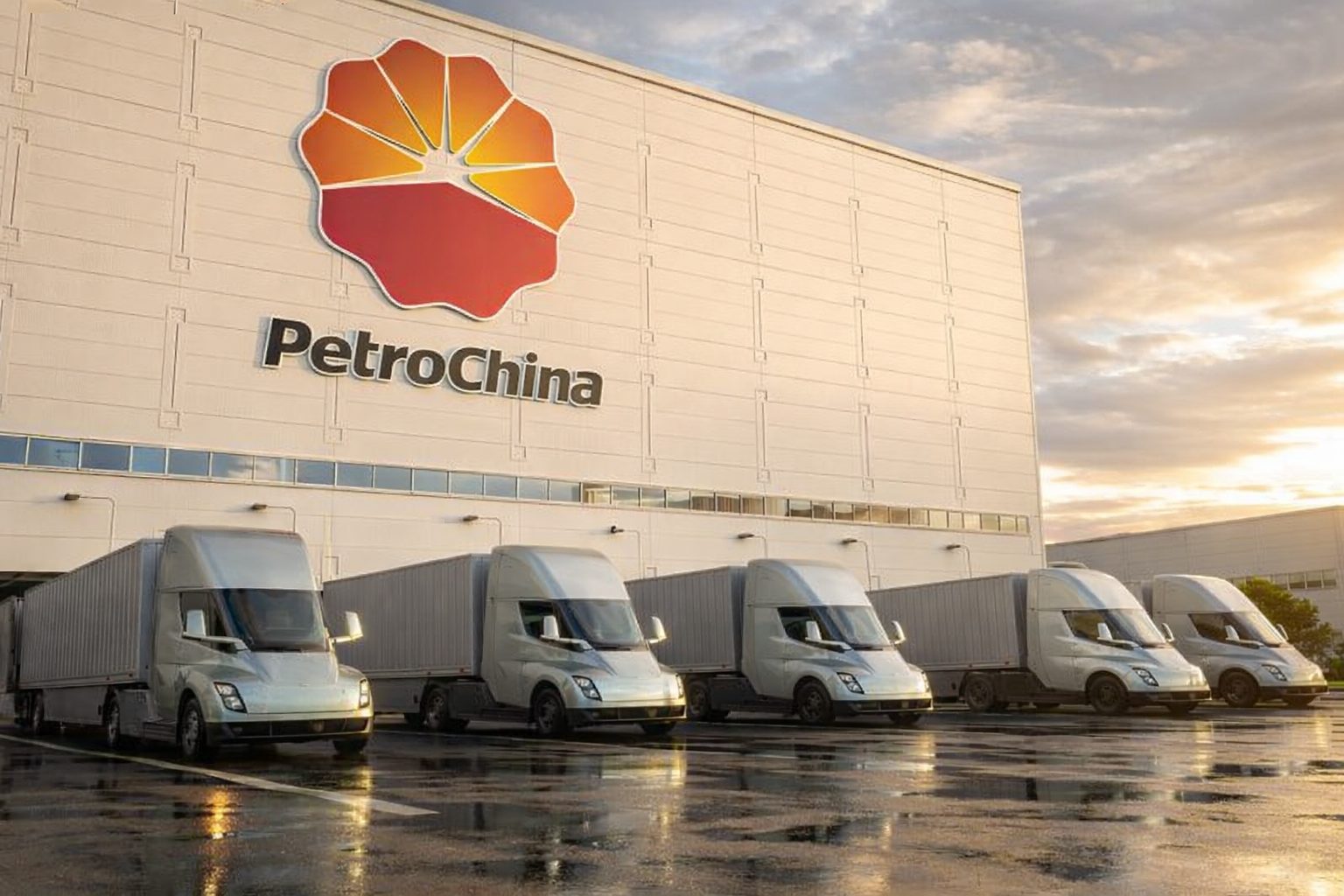
PetroChina’s A shares on the Shanghai Exchange dropped 1.7% to 9.80 yuan by Friday’s close, putting China’s top publicly traded oil company in focus as the new week begins.
The immediate squeeze comes from policy, not pipeline issues. Starting Monday, China’s exchanges will raise the minimum margin requirement for new borrowings from 80% to 100%, following regulators’ calls for stricter oversight to rein in what they’ve labeled excessive speculation.
Margin trading involves borrowing money to buy stocks, and the new rule hikes the cash investors need to back leveraged purchases. For major liquid state firms such as PetroChina, this could lead to more volatile trading, even without any new company news.
Chinese stocks slipped on Friday. The Shanghai Composite dipped 0.26% to finish at 4,101.91, with the CSI 300 dropping 0.41% to 4,731.87.
PetroChina’s shares fluctuated from 9.71 yuan to 9.99 yuan on Friday, with roughly 200.7 million shares traded, according to Bloomberg data.
Oil remains the main driver behind the group’s earnings swings, with crude prices showing volatility. Brent crude, the global benchmark, closed at $64.13 a barrel on Friday, rising 0.58%. U.S. WTI finished at $59.44, up 0.42%, after hitting multi-month highs earlier this week before a sharp drop on Thursday, Reuters reported. Phil Flynn, senior analyst at Price Futures Group, noted, “Buying today seems to be people not wanting to be caught short.” Priyanka Sachdeva, an analyst at Phillip Nova, added, “the underlying balance still points to ample supply.” Reuters
PetroChina’s upstream segment usually benefits from stronger crude prices, boosting oil and gas output. But refiners may not fare as well if fuel prices lag behind. On the Shanghai exchange, the stock often serves as a quick gauge for both oil trends and investor appetite for state-owned enterprises.
The trade can shift fast. When Iran-related premiums continue to fade from crude, producers often see their support weaken. Meanwhile, any new whispers about increased supply tend to put a ceiling on rallies. At the same time, tighter controls on leverage can intensify intraday swings as crowded trades unwind.
PetroChina, under the control of state-owned China National Petroleum Corp (CNPC), trades both A shares in Shanghai and H shares in Hong Kong, according to company filings.
Traders head into Monday’s session keeping an eye on whether turnover slows down under the fresh margin rules and if crude stays close to mid-$60 Brent. The next key macro event is on Jan 20, when the People’s Bank of China releases its monthly loan prime rate fixing.