SHANGHAI, Jan 20, 2026, 09:54 (GMT+8) — Regular session
- Suzhou TFC Optical shares were down about 2.7% in early trade after a weak prior session
- Exchange data showed net margin-loan repayment on Monday, a sign of de-risking
- Investors keep one eye on 1.6T upgrades and silicon photonics as the next AI-networking leg
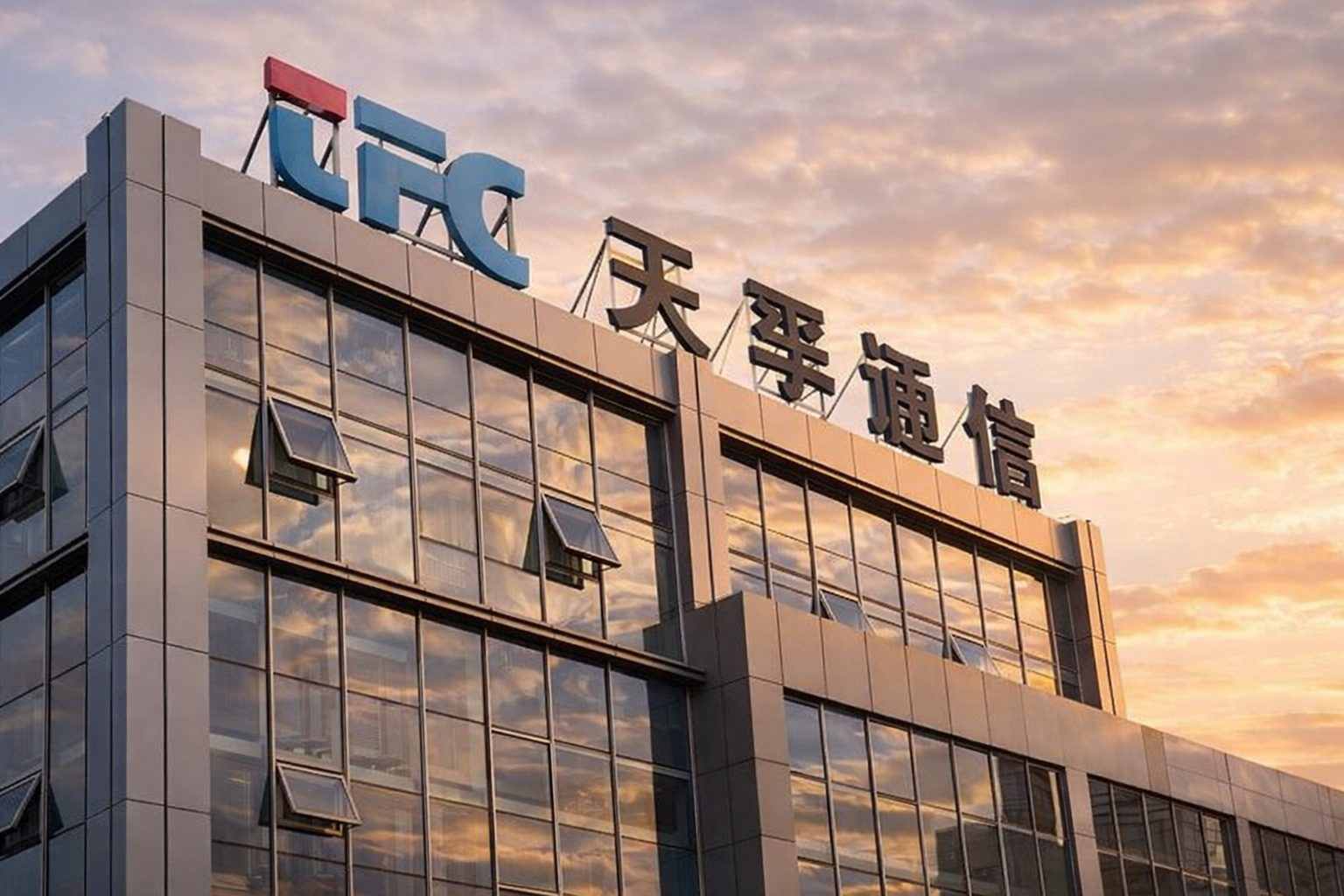
Shares of Suzhou TFC Optical Communication Co., Ltd. (300394.SZ) fell 2.7% to 188.02 yuan by 09:54 a.m., after sliding to an intraday low of 187.28. Turnover was about 1.34 billion yuan, with the Shenzhen benchmark down 0.5% and Shanghai’s composite up 0.3%; the stock was trading on about 78 times earnings.
The optical components maker has become a high-beta proxy for the AI hardware trade in China, where investors have chased anything tied to data-centre buildouts and faster networking gear. When the tape turns, it turns fast.
The pullback was not just one name. Eoptolink was down 2.6% and Zhongji Innolight slipped 1.2% in early trade, and Suzhou TFC showed up among the most actively traded Shenzhen Stock Connect names by turnover.
Positioning looks like part of the story. Exchange data showed margin financing in Suzhou TFC saw 6.00 billion yuan of buying versus 6.85 billion yuan of repayments on Monday, for net repayment of 84.7 million yuan; outstanding margin financing stood at 5.48 billion yuan. Securities lending balances were small, the same data showed.
Margin financing is borrowed money used to buy shares. When traders pay those loans back, it usually means they are cutting exposure — and that can add extra selling pressure on down days.
The bigger debate is still the same: how long the AI networking spend wave lasts, and who wins the next technology turn. “The 1.6T upgrade and the shift to silicon photonics are key drivers in 2026,” Nomura analyst Bing Duan and team wrote in a Jan. 9 note, projecting 800G optical module shipments rising to 43 million units in 2026 from 20 million in 2025, and 1.6T shipments jumping to 20 million from 2.5 million. Sina Finance
In plain terms, 800G and 1.6T refer to the speed of data links — 800 gigabits per second and 1.6 terabits per second. Silicon photonics is a way to build optical parts on silicon, while co-packaged optics puts optics closer to switching chips to cut power and push bandwidth.
For traders, the near-term tell is whether leveraged money keeps heading for the exit, and whether the AI optics complex can find a floor after a run that left little patience for disappointment. Stock Connect flow and daily margin data are likely to stay on screens.
But the downside case is easy to sketch. Any wobble in AI server orders, slower-than-hoped adoption of 1.6T gear, or a shift in pricing power as supply catches up can hit the most crowded names first — especially those trading on hefty multiples.
The next hard checkpoint is earnings. Suzhou TFC is slated to release its next earnings report on Apr. 23, and investors will be digging for order momentum, margin commentary and any signs that demand is shifting from 800G toward 1.6T and newer optical architectures.