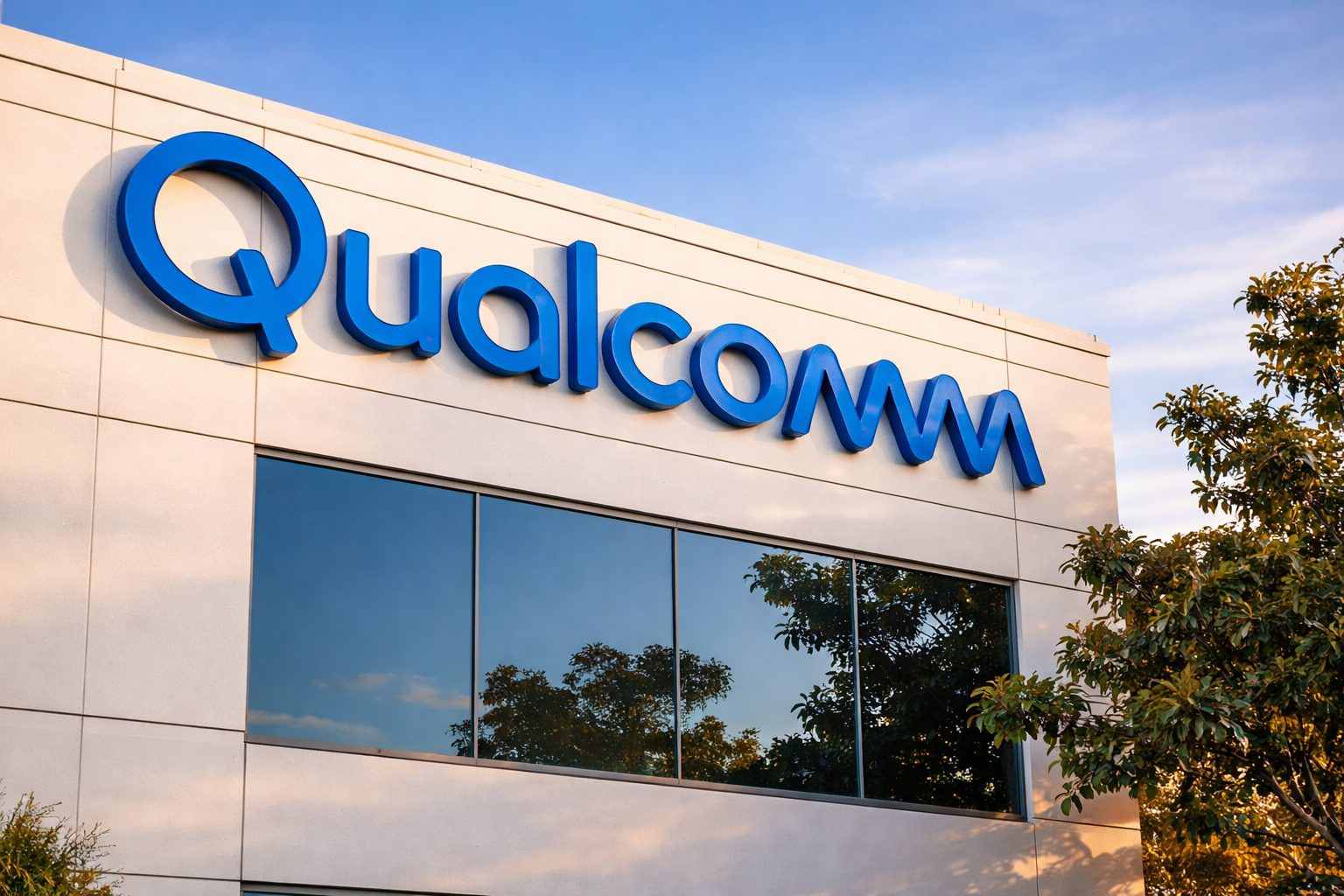

New York, January 20, 2026, 20:44 ET — The market has closed.
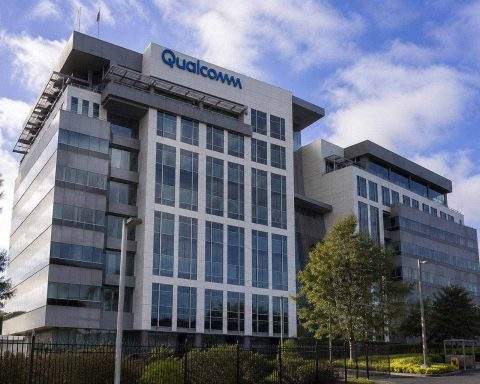
Qualcomm Incorporated (QCOM) shares dropped 3.36% Tuesday, closing at $154.07 and marking a seventh consecutive day of losses as chip stocks declined alongside the broader market. Nvidia fell 4.38%, Broadcom tumbled 5.43%, while Intel bucked the trend, gaining 3.41%. Qualcomm’s trading volume hit roughly 11.8 million shares, surpassing its 50-day average of 8.9 million, with the stock sitting about 25% below its 52-week peak.
Wall Street suffered its worst drop in three months after President Donald Trump reignited tariff threats against Europe, snapping investors out of the U.S. holiday lull. Trump announced a 10% import tariff starting Feb. 1 on goods from Denmark, Norway, Sweden, France, Germany, the Netherlands, Finland, and Great Britain, climbing to 25% on June 1 unless the U.S. secures a deal to buy Greenland. The S&P 500 slid 2.06%, while the Nasdaq tumbled 2.39%. “I’m not at the point yet” where this will “precipitate a correction,” said Jamie Cox, managing partner at Harris Financial Group. Reuters
Qualcomm faces tariff troubles amid a sharp retreat in growth stocks, a sector where selling usually happens before analysts dig in. Chipmakers are caught in the crossfire, linked as they are to phones, PCs, and other devices that buyers put off when doubt creeps in.
Qualcomm makes money not just from selling mobile processors and modem chips, but also by licensing its wireless patents. This blend can stabilize earnings during strong quarters, yet it can also heighten concerns when traders anticipate a drop in device demand.
Earlier this month, Mizuho’s Vijay Rakesh downgraded Qualcomm to Neutral, citing “handset headwinds” and the threat of losing Apple modem share in future cycles. That downgrade has weighed on the stock, which has since drifted lower. Investing.com
Qualcomm is set to report fiscal first-quarter earnings on Feb. 4 at 1:45 p.m. PT, with its conference call scheduled for the same time. Investors will be watching closely for any indication that handset demand is leveling off, along with how well the company can maintain its margins amid growing pricing pressure from customers.
Traders are keeping an eye on Qualcomm’s stock as Tuesday’s close approaches, noting it’s pulled back significantly from its late-October peak. The heavy volume on down days could point to forced selling—or maybe just bargain hunters stepping in—but it’s been tough to call which is dominating recently.
The risks are clear. Should tariff discussions become actual policy, consumer spending could take a hit, disrupting electronics supply chains and weighing on chip orders broadly. Qualcomm would suffer more than its data-center-focused rivals if handset demand weakens.
As Wednesday’s session approaches, Qualcomm investors will probably focus on new tariff news and bond yield movements, which have been volatile alongside tech stocks. The shares are acting more like a macro barometer than reflecting company-specific factors.
The calendar is packed in the short term: markets are focused on the Feb. 1 tariff kickoff flagged by Trump, along with Qualcomm’s earnings and guidance due on Feb. 4.
Related articles: NASDAQ:QCOM