Sydney, Jan 22, 2026, 10:44 (AEDT)
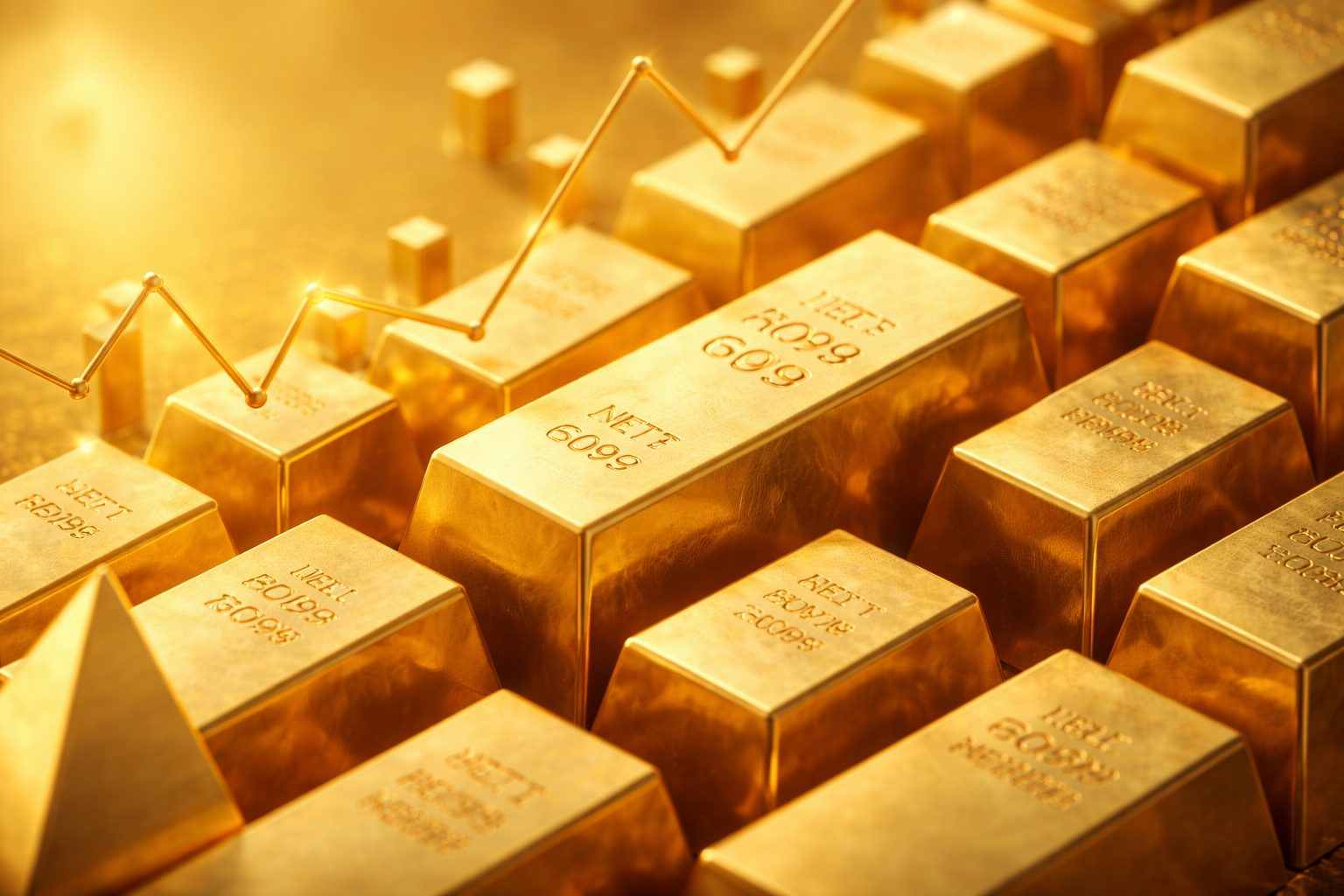
Australian shares ended Wednesday in the red while gold surged past $4,800 an ounce, setting a new record as traders prepared for fresh U.S. tariffs related to Greenland.
The S&P/ASX 200 slipped 0.4% to close at 8,782. The Australian dollar held steady around 67.34 U.S. cents. Banks tumbled roughly 1.5%, hitting their lowest levels since Dec. 1. Meanwhile, gold miners like Emerald Resources and Paladin Energy surged over 13%.
Spot gold hovered near $4,870 late in the session, with Kyle Rodda, senior market analyst at Capital.com, pointing to “the loss of trust in the US” as the key driver behind the surge. ABC
The swings hit Australia hard since its index is loaded with banks and miners, which react fast whenever global risk appetite shifts. Investors have surged into safe havens like gold, assets that typically keep their value during times of fear, while pulling back from stocks sensitive to interest rates.
Wall Street’s mood soured earlier this week following its sharpest single-day decline in three months on Tuesday. Trump announced a 10% import tariff starting Feb. 1 on products from Denmark, Norway, Sweden, France, Germany, the Netherlands, Finland, and Great Britain. That tariff will jump to 25% on June 1, staying in place until the U.S. gains permission to purchase Greenland, Reuters reported.
The CBOE Volatility Index, known as Wall Street’s fear gauge, surged to its highest close since late November. Harris Financial Group managing partner Jamie Cox noted he hasn’t spotted investors “fleeing” just yet. Reuters
U.S. stocks bounced back Wednesday following Trump’s announcement that a framework deal on Greenland and the Arctic region was secured. He also confirmed he would not move forward with tariffs set for Feb. 1. The S&P 500 climbed 1.16%, while the Dow gained 1.21%.
“The real economic impact kicks in if we all begin slapping tariffs on one another,” said Jason Pride, chief of investment strategy and research at Glenmede. Reuters
European shares bounced back from early dips to finish flat after Trump cooled his tone on Greenland at the World Economic Forum in Davos, Reuters reported. Safe-haven metals stayed firm as mining stocks surged 3.7%. UBS strategist Sutanya Chedda noted that investors are favoring sectors with a domestic focus.
Rio Tinto reported record iron ore production in the Pilbara and higher shipments, which CEO Simon Trott described as “exceptional production performance.” Shipments from Pilbara hit 91.3 million tonnes in the December quarter, marking a 7% increase year-on-year. Copper output also climbed 5%, reaching 240,000 tonnes. Rio Tinto
Analyst Glyn Lawcock from Barrenjoey described Rio’s latest results as “a solid quarter” but noted iron ore prices realised by Rio lagged those of BHP, amid ongoing contract talks with China. Rio is currently in merger discussions with Glencore and faces a Feb. 5 deadline to either make a formal bid or walk away, according to UK takeover rules. The company also plans to release unit costs and its 2026 outlook with full-year results on Feb. 19. Reuters
BHP, the largest listed miner globally, said this week it agreed to lower prices on some iron ore sales as it works on a 2026 supply contract with China Mineral Resources Group, the country’s state iron ore buyer. “This has seen some impact to realised price,” BHP noted after reporting record iron ore output in the first half. Reuters
The U.S. relief rally hasn’t erased the deeper issue weighing on markets: policy whiplash. Should tariff threats resurface, or Europe respond with its own duties, the next wave of volatility could hit Asia before traders even catch their breath.
Australia has been acting like a barometer for market stress. Banks falter whenever rate expectations change, miners rally with gold prices, and investors swiftly dump riskier tech stocks.