
Sydney, January 22, 2026, 16:50 AEDT — Trading after hours.
- Fortescue shares fell steeply after the miner reported rising unit costs in its December-quarter update
- Record shipments in the first half were weighed down by rising costs and renewed attention on Iron Bridge
- Investors are now eyeing the half-year results on Feb. 25 for sharper insights into margins and cash flow
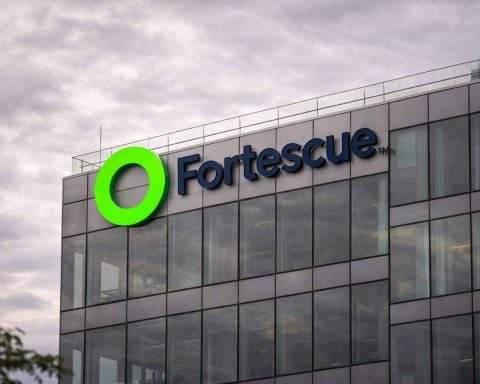
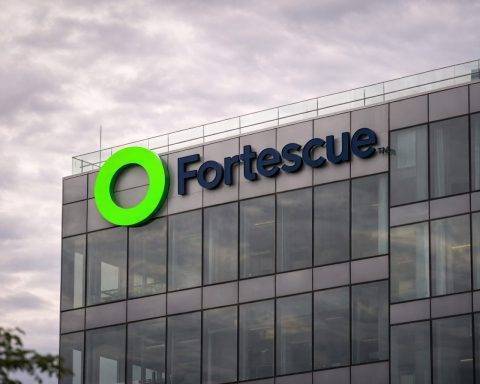
Fortescue Ltd FMG.AX shares slipped 5.1% to close at A$21.48 on Thursday. The iron ore miner’s quarterly report revealed rising unit costs and persistent challenges at its Iron Bridge magnetite project.
The move was significant since Fortescue’s earnings and dividends are highly sensitive to even slight changes in mining costs and iron ore prices. Investors tend to react sharply to any unexpected cost fluctuations.
This hits a sensitive point for Pilbara miners: China remains the largest buyer, and iron ore bargaining power has been under the spotlight all month. Fortescue has pushed a “keep the flow steady” line, yet the market is zeroing in on the details around costs.
Fortescue’s December 2025 quarterly production report showed shipments of 50.5 million tonnes, pushing first-half volumes to a record 100.2 million tonnes. Hematite C1 unit costs climbed to US$19.10 per wet metric tonne. The company held its full-year shipment forecast steady at 195–205 million tonnes, with hematite costs expected between US$17.50 and US$18.50 per wet tonne. At December 31, Fortescue reported a cash balance of US$4.7 billion and net debt of US$1.0 billion. The quarter’s average hematite revenue stood at US$93 per dry tonne.
C1 cost measures the cash expense miners face to produce and deliver ore to port, excluding financing and additional costs. The term “wet metric tonne” is the industry standard for weighing ore that retains moisture.
Fortescue Metals’ CEO Dino Otranto revealed during a call that the company is increasing purchases of Chinese equipment, expanding its network of suppliers to include battery storage, solar panels, and wind turbines. This comes as talks progress with the China Mineral Resources Group. “Our volume still flows when the market ebbs and flows,” Otranto said. Jefferies, however, pointed to the Iron Bridge project as a challenge, noting results “continue to indicate struggles with the plant.” Reuters
Iron Bridge represents Fortescue’s premium magnetite play, though it’s taken longer to gain momentum than traders expected. The focus now is on whether the project can ramp up output in the second half without another surge in costs.
The risk is clear-cut. Should diesel and other input costs remain high, or if the Australian dollar turns unfavorably, costs could stay stubborn despite strong volumes. Plus, any weakness in iron ore pricing power toward China usually pressures the dividend trade first.
Fortescue’s FY26 half-year results land on February 25. Investors will be watching closely for clearer insights on margins, progress at Iron Bridge, and if the company’s cost guidance remains intact.
Related articles: ASX:FMG